Hydroponics vs Soil for Indoor Gardens: Which Should You Choose?
Last updated: 24.05.2026.
If you’re about to start an indoor garden, the first real decision is the one you’ll commit to for years: hydroponic system, or soil pots? Most guides treat this as a personality test (“are you tech-y or earthy?”). It’s actually a practical choice with right and wrong answers depending on your apartment, your habits, and what you want to grow.
We’ve been running both for years — soil pots on every windowsill and hydroponic systems on most counters — and the honest answer is that one of them is better for you, even if both technically work. Let’s figure out which.
The 5 dimensions that actually matter
Forget “natural vs synthetic” or “traditional vs modern” framings. Here are the practical dimensions that will determine which approach is right for you.
1. Light. Hydroponic systems come with their own grow light. Soil pots depend on your existing window light (or a separately purchased grow light).
2. Watering routine. Hydroponic = refill the reservoir every 2–4 weeks. Soil = water when soil is dry, typically weekly.
3. Mess factor. Hydroponic = essentially zero. Soil = some dirt, root bound repotting, leaf drop.
4. Plant variety. Soil = anything. Hydroponic = great for greens, herbs, and small fruiting plants; not for root vegetables or anything that gets large.
5. Cost over time. Hydroponic = higher upfront, ongoing pod/nutrient costs. Soil = much lower upfront, near-zero ongoing.
Here’s how the two compare, dimension by dimension.
Light: who has more flexibility?
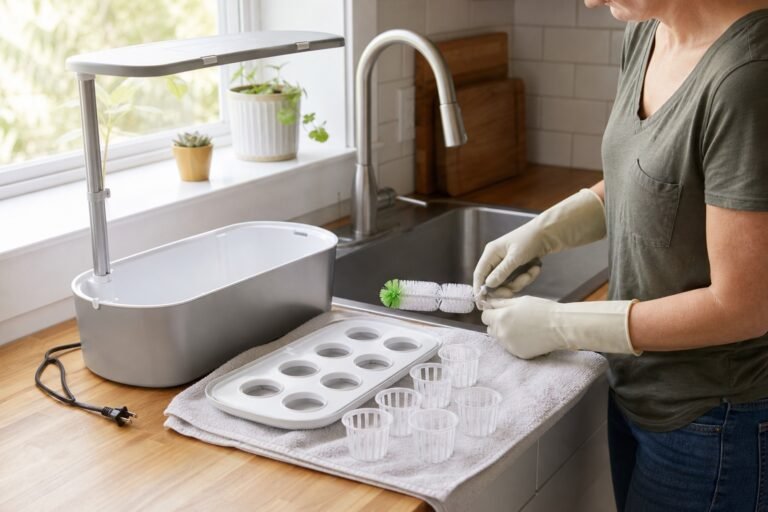
Hydroponic wins clearly. A countertop hydroponic system includes a full-spectrum LED light tuned exactly to what plants need, on an automatic 16-hour timer. You can put it in a windowless bathroom, a basement, or a closet, and your plants will thrive.
Soil gardening requires you to either have a window with reasonable light, or buy a separate grow light. (See our Best Grow Lights for Apartment Windows guide.)
Verdict: If you don’t have natural light, hydroponic is by far the simpler answer.
Watering: who is more forgiving?
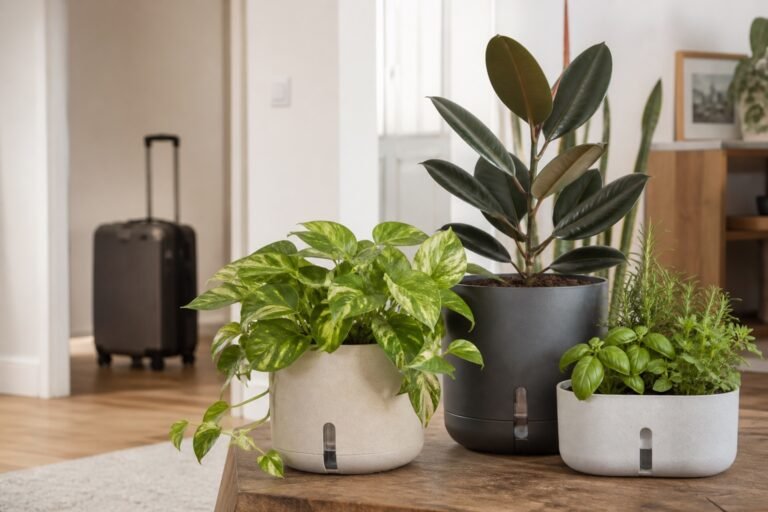
Hydroponic wins for sheer time intervals. Most systems hold 2–4 weeks of water. Some hold 6+. You can travel for two weeks and not lose a plant.
Soil wins for “I want to know what I’m doing.” Hydroponic systems are designed to be opaque — you trust the system. Soil gardening teaches you the rhythms of plant care: when leaves droop, when roots want more space, when a plant is rootbound. After a year of soil, you understand plants better.
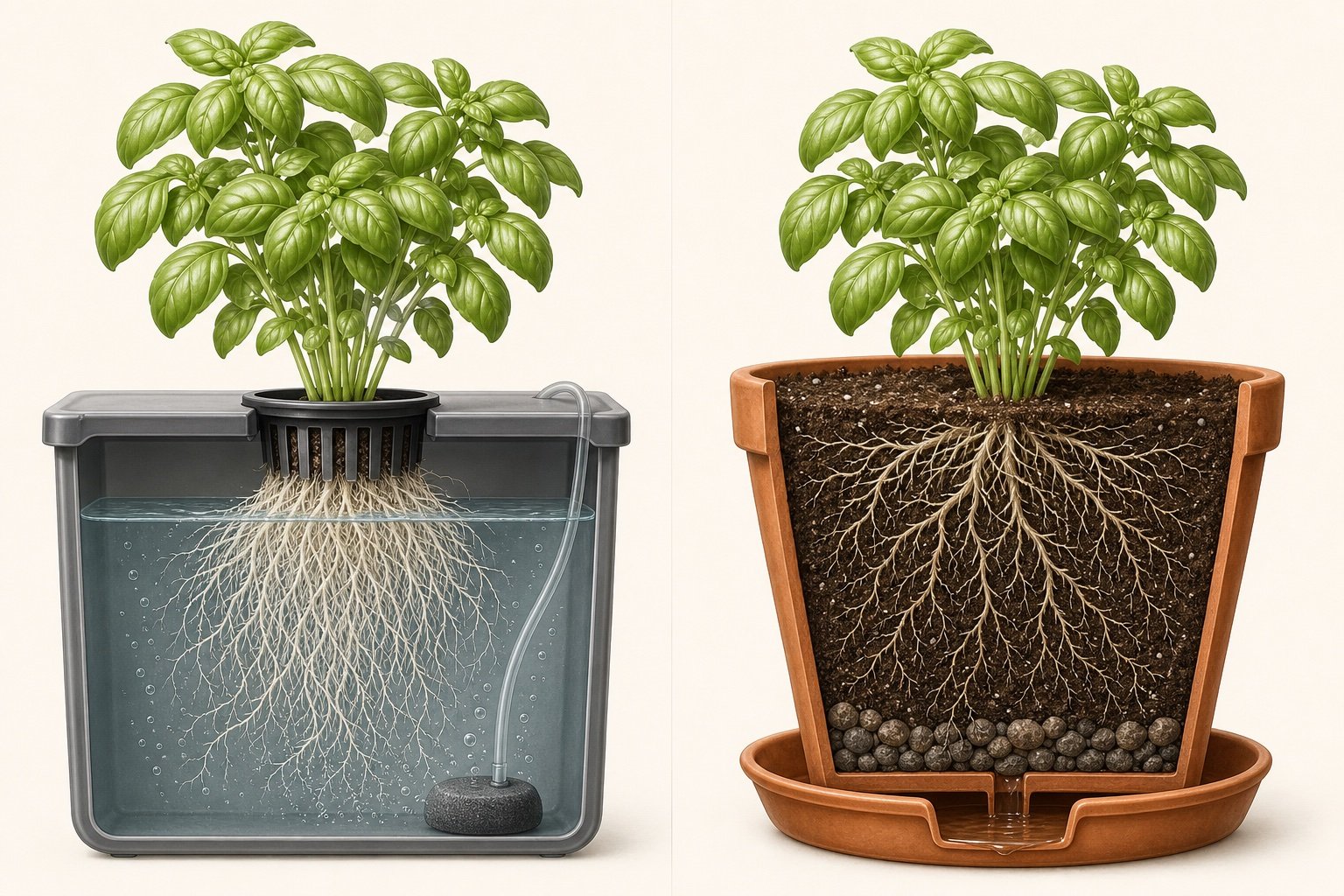
Verdict: If you travel often or just don’t want to think about it, hydroponic. If you want to learn, soil.
Mess and apartment-friendliness
Hydroponic wins decisively. No soil to track around the kitchen, no fungus gnats, no root rot smells, no repotting drama on the dining table.
Soil indoor gardening inevitably creates some mess. Over the years, soil ends up on the floor near pots. Dead leaves drop. Repotting requires a tarp or a sink and a willingness to deal with dirt indoors.
For very small apartments or apartments with light-colored carpets, this matters more than it sounds.
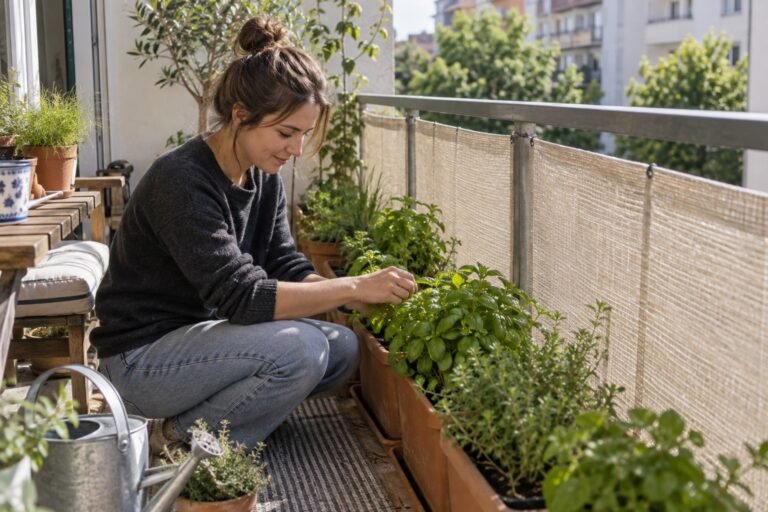
Verdict: Hydroponic for small or pristine apartments; soil if you have a balcony or kitchen you can dedicate to plant work.
Plant variety
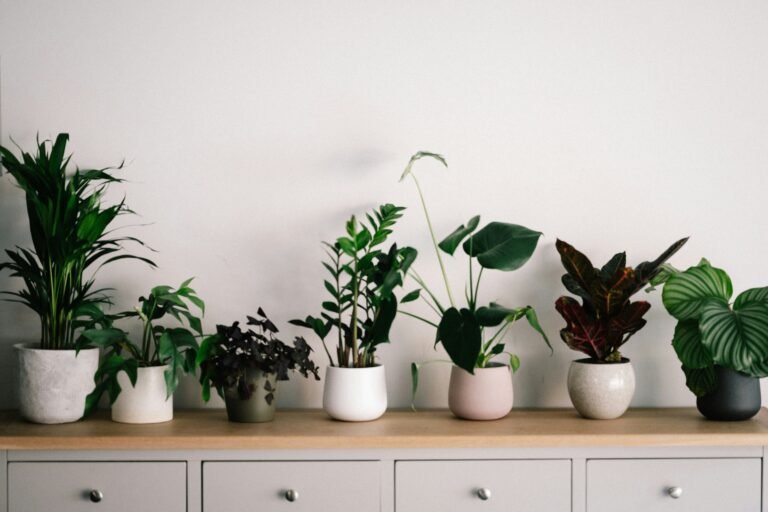
Soil wins, no contest. You can grow anything in soil: herbs, leafy greens, succulents, tropicals, vines, small trees, root vegetables, flowering plants, anything you can dream of. Hydroponic systems are narrower — they’re optimized for leafy greens (lettuce, kale, basil, mint) and a few small fruiting plants (cherry tomato, chili peppers, strawberries).
Critically, hydroponic systems cannot grow:
- Root vegetables (carrots, beets, radishes — they need depth and dry soil)
- Most succulents and cacti (they need dry-out cycles incompatible with hydroponic watering)
- Trees and large shrubs (too big)
- Most flowering houseplants (orchids excepted)
If your interest is “I want to grow my favorite houseplants and some herbs,” soil is the only answer. If your interest is “I want a steady supply of fresh basil and lettuce,” hydroponic is the better answer.
Verdict: Soil for variety; hydroponic for focused herb / green output.
Cost over time
This depends heavily on which path you commit to.
Soil path:
- Pots: $5–25 each (one-time)
- Potting mix: ~$15 for a bag that lasts a year
- Fertilizer: ~$10 for a bottle that lasts a year
- Plants: $3–25 each (one-time)
- Grow light (optional): $25–200 (one-time)
Total for 5-plant soil setup: ~$80–300 one-time, then ~$20–40 per year.
Hydroponic path:
- System: $80–250 one-time
- Pods (proprietary): $20–40 per growing cycle (every 6–10 weeks)
- Pods (generic, if compatible): $5–10 per cycle
- Nutrient solution: $10–25 per year
Total for hydroponic: $80–250 upfront, then $80–250+ per year if using proprietary pods, or $30–60 if using generics.
For people who want to grow continuously over many years, soil is dramatically cheaper. Hydroponic systems pay off most for people who’d otherwise buy a $3 plastic clamshell of basil from the supermarket weekly — there, the math works out fast.
Verdict: Soil wins on long-term cost. Hydroponic wins if you’d otherwise be buying fresh herbs/greens at the supermarket.
When to choose which — a simple decision tree
Pick hydroponic if any of these are true:
- You don’t have natural light in your space.
- You travel often or forget to water.
- You specifically want fresh herbs and salad greens with minimal effort.
- You want a “set it and forget it” experience.
- You want indoor growing to be 100% mess-free.
Pick soil if any of these are true:
- You want to grow houseplants, not just edibles.
- You enjoy plant care as a hobby (not just an outcome).
- You want the lowest possible long-term cost.
- You want flexibility to grow anything.
- You have at least one window with reasonable light.
Pick both if:
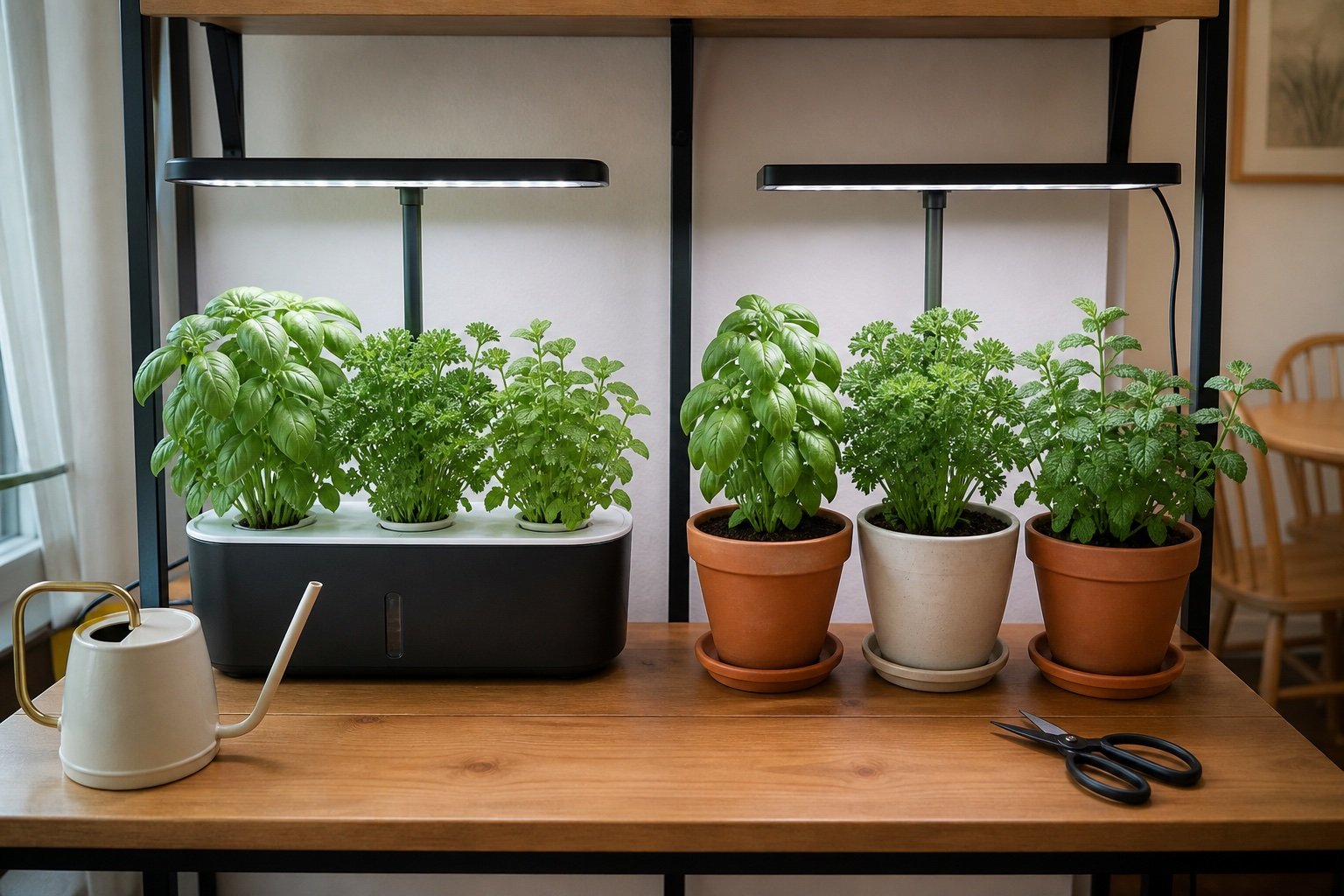
- You have the space and budget. This is what most experienced indoor gardeners end up doing: a hydroponic system on the kitchen counter for fresh herbs and salad, plus soil pots throughout the apartment for houseplants and longer-term projects.
The honest combined recommendation
For most readers of this site — people in small apartments, new to indoor gardening, who want to actually succeed and not just have intentions — the right starting point depends on your goal:
- “I want to bring some life into my apartment.” Start with one easy houseplant in soil. (See our 9 Easiest Indoor Plants.)
- “I want fresh basil and salad greens.” Get a Click & Grow Smart Garden or AeroGarden Harvest. (See Best Hydroponic Systems for Beginners.)
- “I want both.” Start with one of each, in different rooms. Don’t overdo it. Add more once you’ve succeeded with these.
The wrong move is to buy a 20-plant collection of either, lose them all, and conclude “indoor gardening isn’t for me.” Start small, succeed, expand.
Frequently asked questions
Can I switch a plant from hydroponic to soil (or vice versa)?
Yes, but with care. Hydroponic plants have water-adapted roots; moving them to soil shocks them. Wash the roots gently, plant in moist soil, and keep humidity high for a week or two. Going from soil to hydroponic is easier — wash the roots clean of soil and place into the system.
Are hydroponic systems “more sustainable” than soil?
Mixed. They use 90% less water than outdoor gardening. They also use plastic pods and electricity continuously. Net environmental impact is roughly a wash compared to indoor soil gardening.
Do hydroponic systems use special seeds?
No — any seed works in a hydroponic system. The proprietary “pods” sold by Click & Grow and AeroGarden are just normal seeds embedded in a growing medium. You can buy generic sponges and use any seed packet.
Is hydroponic produce as nutritious?
Yes. Multiple studies show essentially identical nutritional content between hydroponic and soil-grown vegetables.
The bottom line
There’s no universal winner. Hydroponic is the right answer for people who want easy, fast, reliable herb and green production in any space. Soil is the right answer for everyone else — anyone who wants variety, plant care as a hobby, or the lowest long-term cost.
For most apartment dwellers, the right move is one small hydroponic system plus a few houseplants in soil. Different jobs, different tools.