Indoor Gardening for Absolute Beginners: Where to Start
Last updated: 28.05.2026.*
If you’ve never grown anything indoors before, almost every guide on the internet is going to overwhelm you within five minutes. “Pillar pages” full of jargon, lists of 47 plants, debates about pH meters and grow light spectrums — none of which you need to know.
Here’s the actual truth: starting an indoor garden is simple. There are three real paths, and you just need to pick one. Then you need three pieces of basic knowledge. That’s the whole thing.
This guide will get you from “I’ve never grown anything” to “I have a plant on my counter that’s alive” in about a week.
The three real paths (pick one)
Most beginners get stuck because they’re trying to compare too many options. Let’s narrow it down. There are exactly three reasonable ways to start growing things indoors, and the right one for you depends on a couple of simple questions.
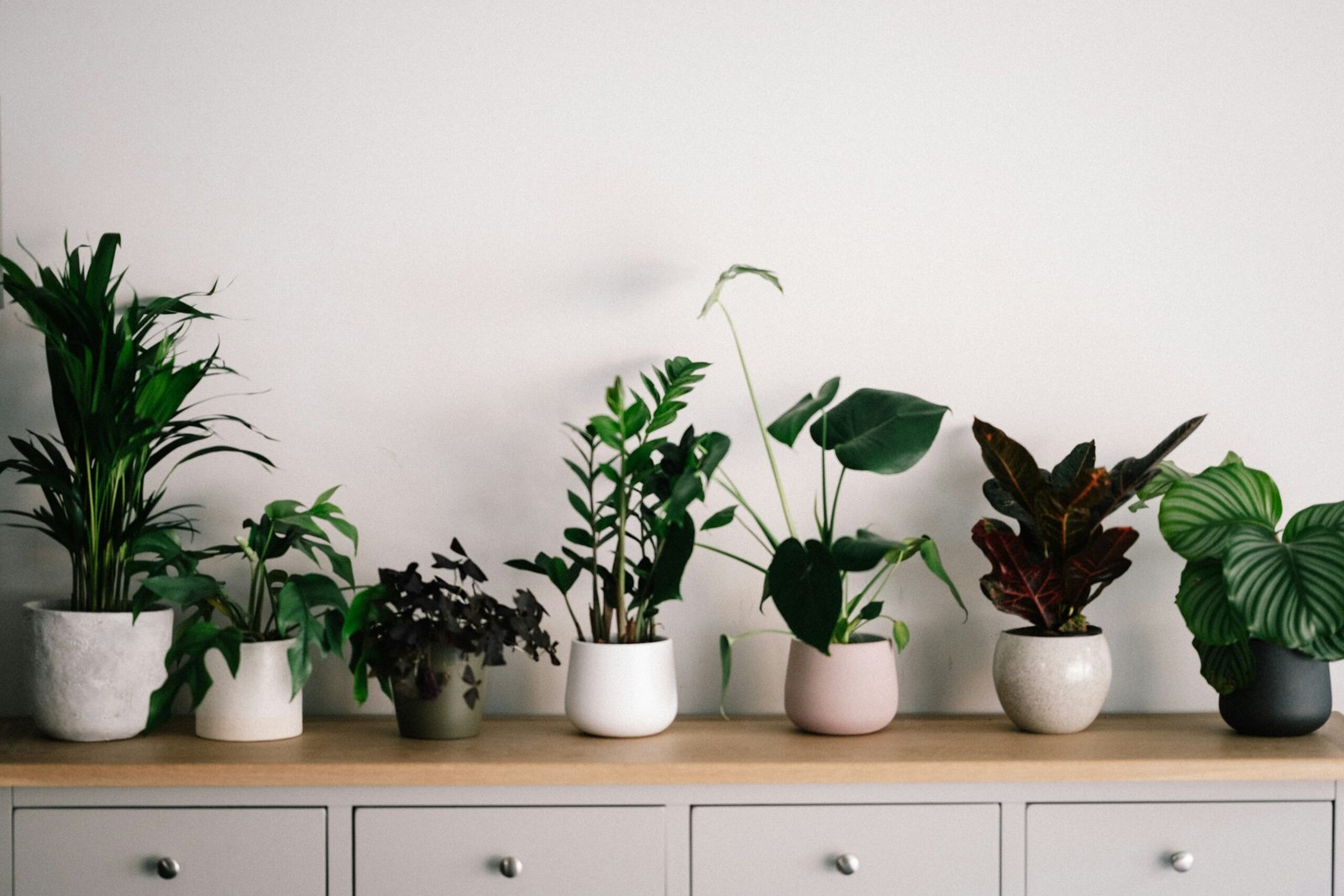
Path 1 — One easy houseplant in a pot. The simplest possible start. Pick one plant from a forgiving species (pothos, snake plant, or ZZ plant), put it in a pot with drainage, place it somewhere you’ll see it daily, and water it when the soil is dry. Total cost: $15–$30. We have a complete guide to picking your first plant in the 9 easiest indoor plants for people who kill plants.
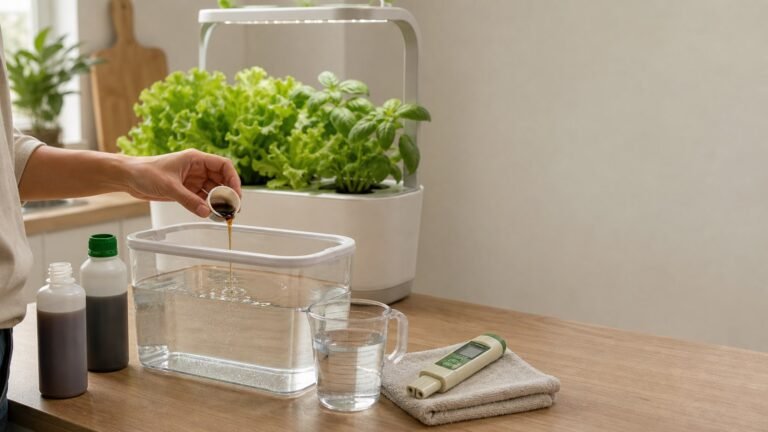
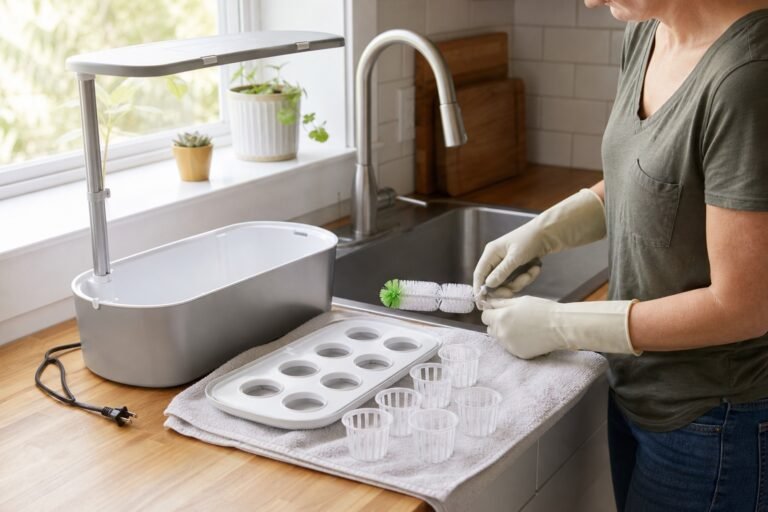
Path 2 — A countertop herb garden. A small countertop hydroponic system grows fresh basil, mint, parsley, and other herbs with no soil and almost no effort. The system provides its own light and watering automation. You drop in pre-seeded pods, plug it in, and herbs sprout in a few days. Total cost: $100–$200. The right starter setup is covered in the best indoor herb garden kits guide.
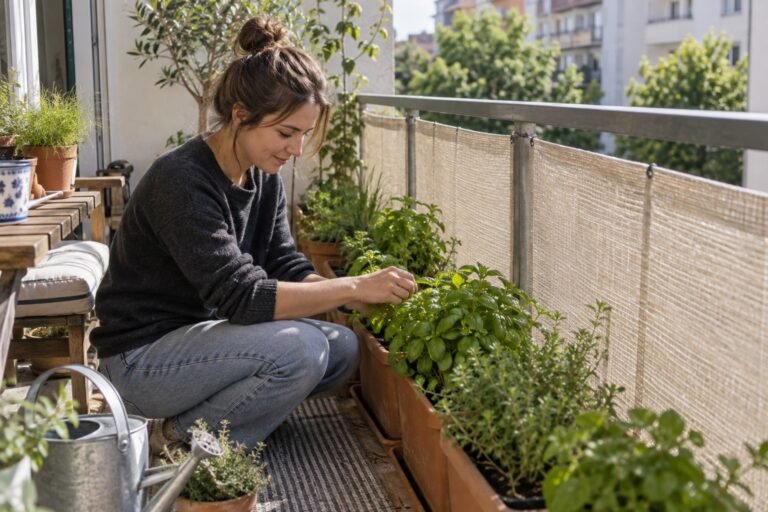
Path 3 — Soil-based herbs on a sunny windowsill. If you have a window that gets several hours of direct sunlight per day, you can grow real herbs in real soil for very little money. This is the traditional approach, lower cost, but requires that one specific condition (a sunny window).
That’s it. Those are the three paths. Pick one based on the table below.
Which path is right for you?
| If this describes you… | Pick this path |
|---|---|
| “I just want a plant in my apartment that looks nice and won’t die.” | Path 1 (one easy houseplant) |
| “I want fresh herbs for cooking and don’t want to think about it.” | Path 2 (countertop herb garden) |
| “I have a sunny window and like traditional gardening.” | Path 3 (windowsill herbs) |
| “I’ve killed every plant I’ve ever owned.” | Path 1, starting with a snake plant or ZZ plant |
| “I live in a dim apartment with no real window light.” | Path 2 (the hydroponic system brings its own light) |
| “I’m not sure what I want.” | Path 1 — it’s the cheapest and most reversible mistake |
For more detail on the differences, see hydroponics vs soil for indoor gardens, which walks through which approach makes sense in which situation.
The three things you actually need to know
Whatever path you pick, the same three pieces of basic knowledge apply.
1. Light
Every plant needs light. How much depends on the plant.
Bright light = a sunny window facing south or west, where direct sunlight comes through for several hours daily.
Indirect light = a few feet back from a sunny window, or right next to a less-sunny east or north window. Bright but not direct sun on the plant.
Low light = dim apartments, hallways, rooms without windows.
Match the plant to the light. Pothos, snake plants, and ZZ plants survive in low light. Herbs need bright light or a grow light. Most flowering plants need bright light to bloom.
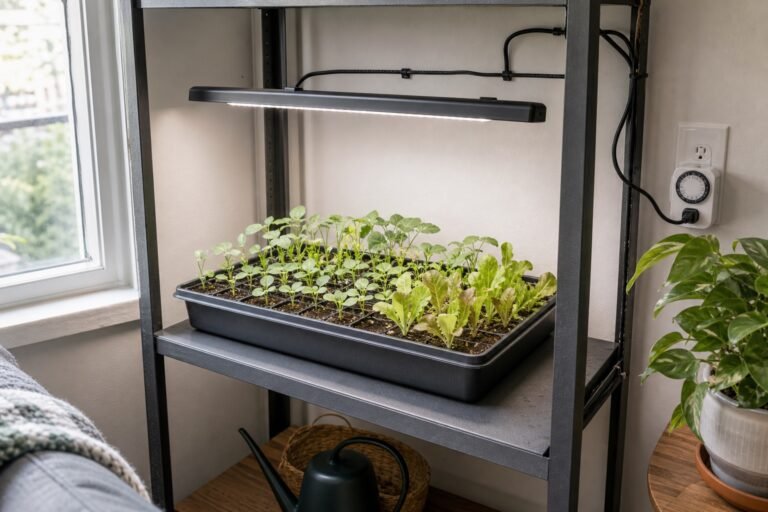
If your apartment doesn’t have much natural light, grow lights solve the problem entirely. A simple plug-in grow light in a desk lamp costs about $30 and lets you grow plants in any room. See our grow lights guide for picks.
2. Water
The single most common beginner mistake is overwatering. The simple rule: stick your finger into the soil; if it’s dry, water; if it’s damp, wait.
Most easy houseplants need water every 1–3 weeks, not every few days like beginners assume. We have a complete watering guide in how often should you water indoor plants.
3. The pot
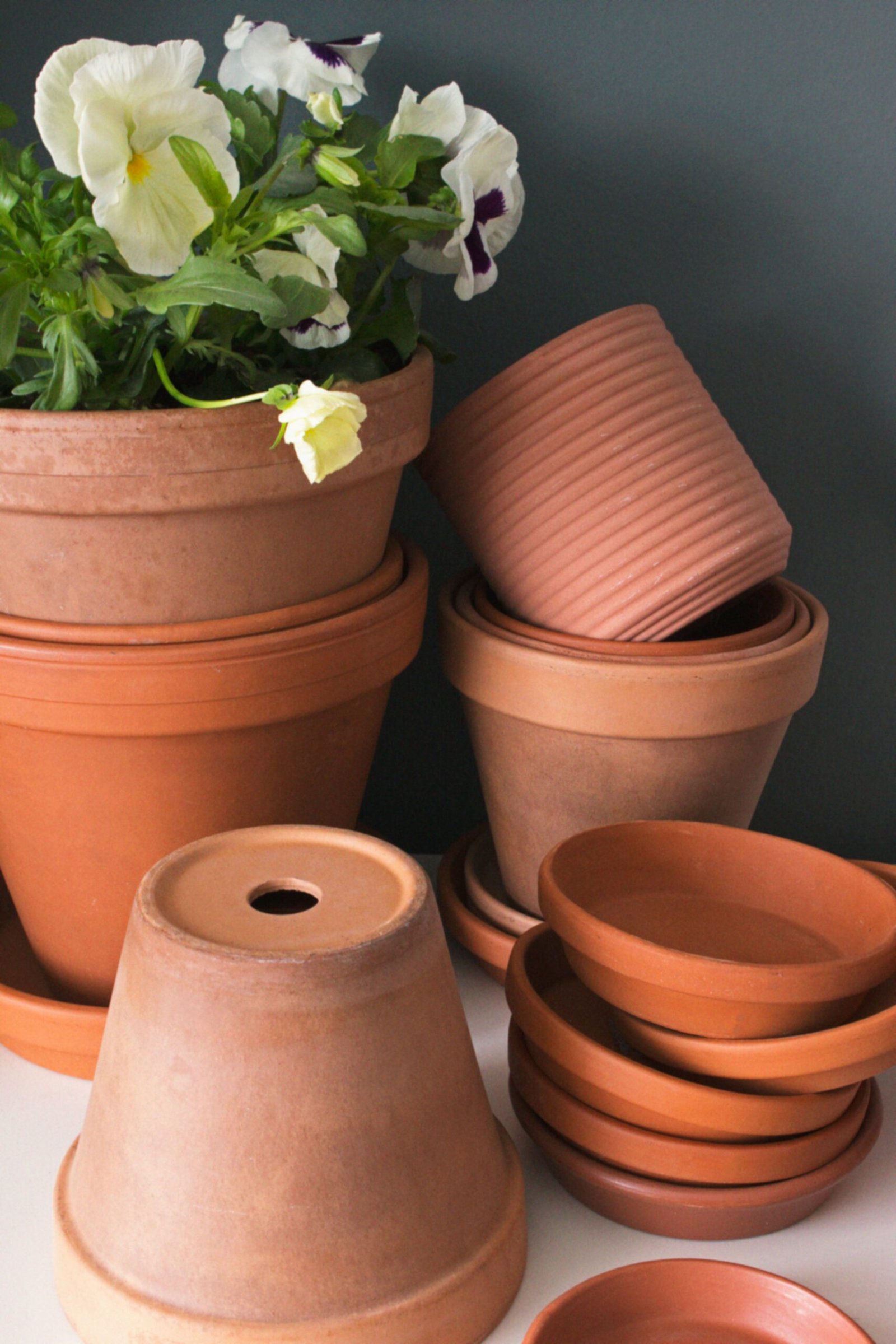
The most underrated part of plant care. A pot without a drainage hole will kill your plant within a few months, no matter what you do otherwise. Water sits at the bottom, the roots rot, the plant dies.
Always use a pot with drainage holes. If you bought a beautiful ceramic pot that has no hole, keep your plant in a cheap plastic nursery pot inside the ceramic one. Water in the sink. Let it drain. Put it back.
That’s everything you need to know about pots.
What NOT to do as a beginner
The most common ways beginners set themselves up to fail:
Don’t buy a fiddle-leaf fig. Fiddle-leaf figs are beautiful, popular on Instagram, and almost impossible for beginners to keep alive. Skip them for the first year. We explain why in the easiest indoor plants to keep alive.
Don’t buy 5 plants on day one. Buy one. Learn what one plant needs from you. Add a second only after the first has been alive for 2–3 months.
Don’t water on a schedule. Water when the soil is dry. We covered this in the watering guide.
Don’t put your plant in a “cute pot” without checking for drainage. No drainage = no plant within a few months.
Don’t research for weeks before buying. Buy a $10 pothos from a grocery store this weekend. Start growing. You’ll learn more from one month with one real plant than from six months of reading.
The “first week” checklist
If you want a simple step-by-step plan to start this week:
- Decide your path. Use the table above. If you’re not sure, pick Path 1 (a houseplant).
- Buy one plant. A pothos or snake plant from a grocery store, garden center, or hardware store. $10–$20.
- Buy one pot with drainage. A simple terracotta pot with a saucer. $5–$10.
- Bring it home and put it somewhere you’ll see it every day. Kitchen counter, bedside table, living room shelf. Avoid a spare room — you’ll forget about it.
- Don’t water it for the first few days. Let it settle. The nursery probably watered it before you bought it.
- After a week, check the soil with your finger. If dry, water until water drains from the bottom. If damp, wait another few days.
- Repeat step 6 forever.
That is the entire plan. You’re a beginner indoor gardener.
What comes next
Once you’ve had one plant alive for 2–3 months, the natural next steps depend on your interests:
More houseplants: Browse the easiest indoor plants list and pick a second plant. Build up slowly.
Fresh herbs: Consider a countertop herb garden for fresh basil and mint without needing windowsill space.
More serious growing: Look into hydroponic systems for beginners, or learn about growing herbs indoors without sunlight.
Plants in specific rooms: For bathroom and humid spaces, see houseplants that love bathroom humidity.
Renting and worried about damage: See indoor gardening for renters for renter-friendly setups.
Frequently asked questions
How much will it cost to start?
Path 1 (houseplant): $15–$30 total. Path 2 (countertop herbs): $100–$200. Path 3 (windowsill herbs): $25–$50.
What if my apartment is dark?
Path 2 (countertop hydroponic) is built for dim apartments — the system provides its own light. For houseplants in dim apartments, stick to snake plants, ZZ plants, and pothos. Or add a small grow light.
Do plants make the air healthier?
Slightly, but not as much as people think. The famous NASA study used many plants per room. A few houseplants do not measurably improve air quality. The real benefit is psychological — living things in your home feel good.
What if I have pets?
Some plants (pothos, snake plant, ZZ plant) are mildly toxic to cats and dogs if chewed. Pet-safe options include spider plant, peperomia, Boston fern, and most herbs. See the easiest indoor plants list for full toxicity notes.
How long until I “know what I’m doing”?
About 6 months with one plant. After that, you’ll have the basic intuition for watering, light, and recognizing stress. Most successful indoor gardeners look back and say they wish they’d started smaller and slower.
The bottom line
Pick one path. Pick one plant. Pick one pot with drainage. Put it where you’ll see it. Water it by feel, not schedule.
That’s indoor gardening. Everything else is detail you’ll learn as you go.
The hardest part of starting an indoor garden is not the gardening — it’s deciding to stop researching and actually buy the first plant. The plant will teach you the rest.