How to Grow Chives Indoors: 7 Simple Steps
Grow chives indoors from seed or a rooted clump with a draining pot, bright light, steady moisture, light feeding, and careful harvests.

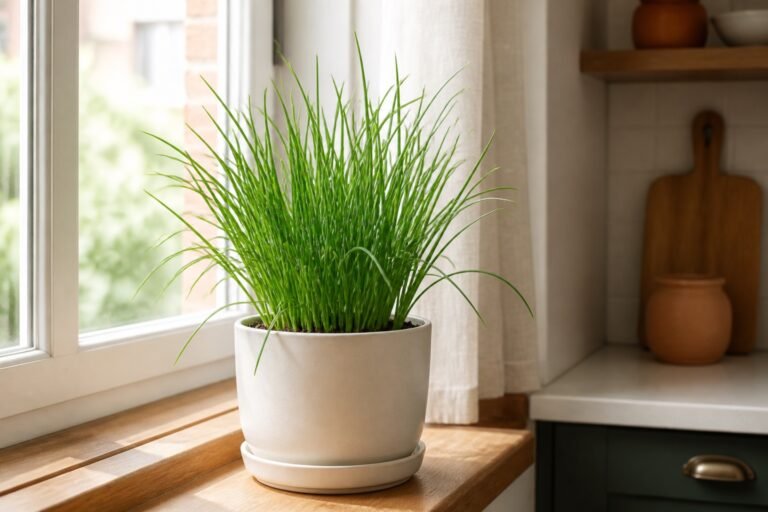
Grow chives indoors from seed or a rooted clump with a draining pot, bright light, steady moisture, light feeding, and careful harvests.
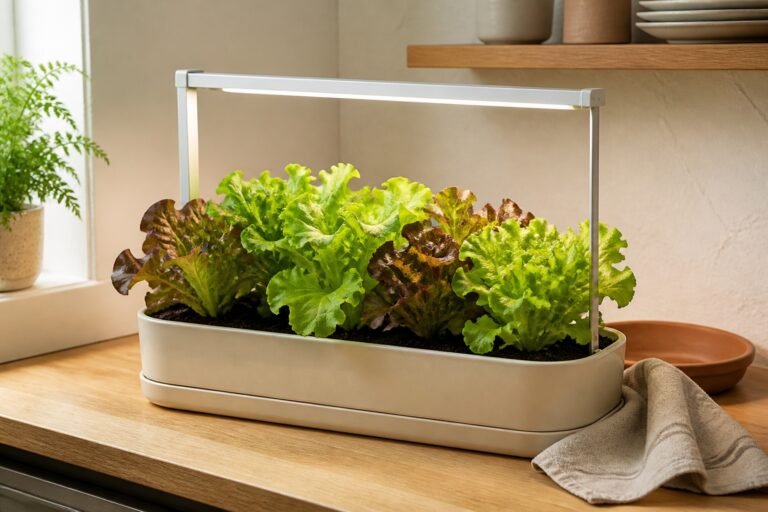
Grow loose leaf lettuce indoors in soil with a draining planter, even moisture, useful light, careful thinning, and clean repeat harvests.
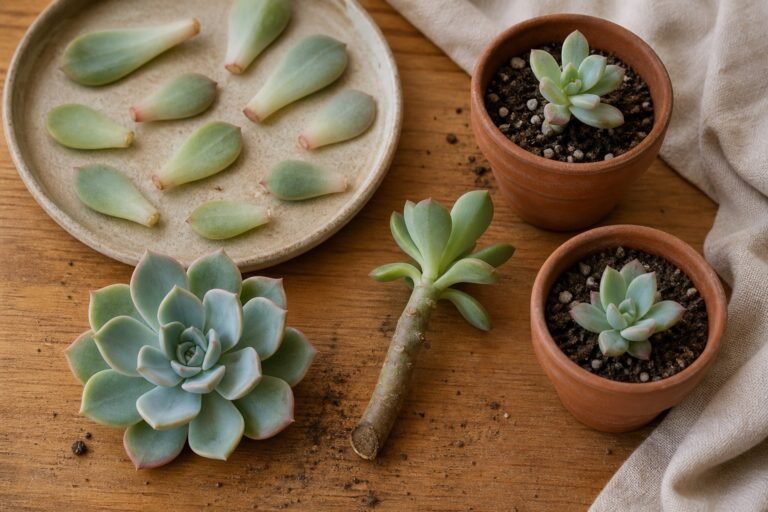
Match five succulent propagation methods to the right plant, then manage callusing, clean cuts, gritty mix, light, and water while new roots form.
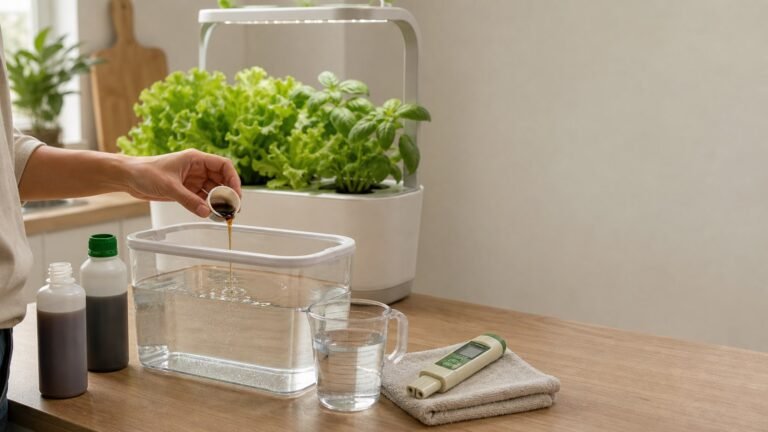
Avoid seven common nutrient mistakes with a label-first process for source water, mixing, pH, EC, top-ups, replacement, and reservoir diagnosis.
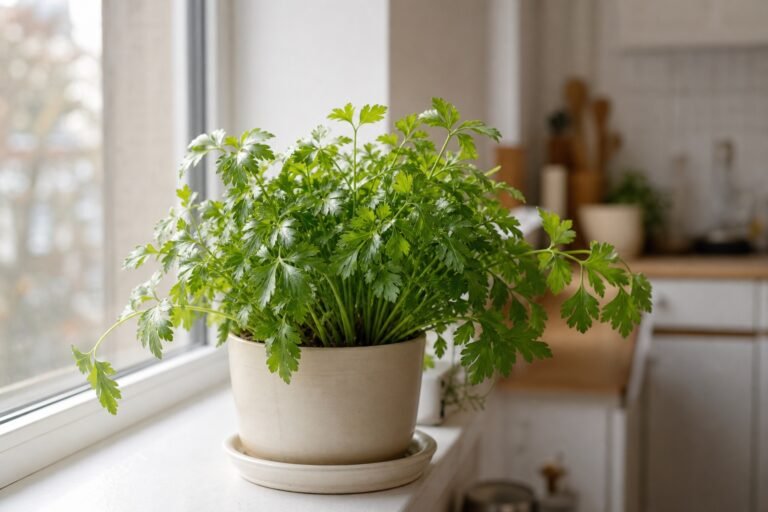
Grow flat leaf or curly parsley indoors with a bright setup, patient seed care, sensible watering, light feeding, and the right harvesting cuts.
Learn how potting mix and garden soil differ in drainage, aeration, weight, pests, and structure, plus what to use in indoor containers.
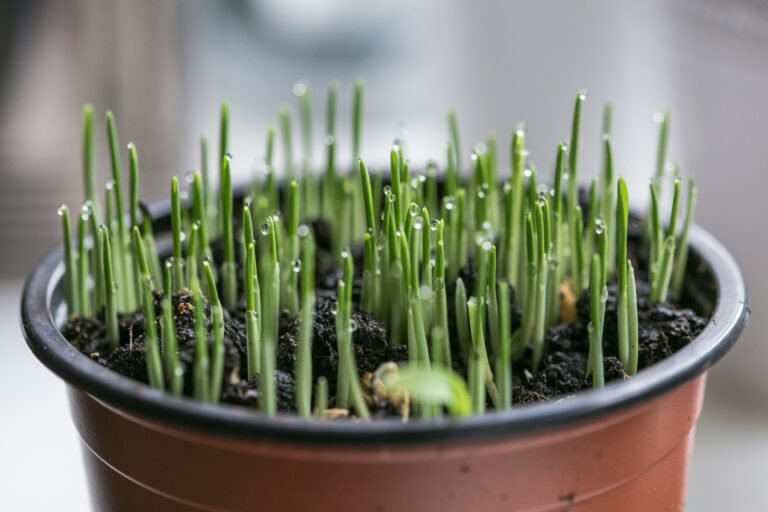
Last updated: 25.06.2026. This is the gateway drug of indoor growing. You buy green onions, use the green tops for cooking, and instead of throwing away the white root ends, you stick them in a glass of water on the windowsill. Three days later they are visibly taller. A week later you are cutting fresh…
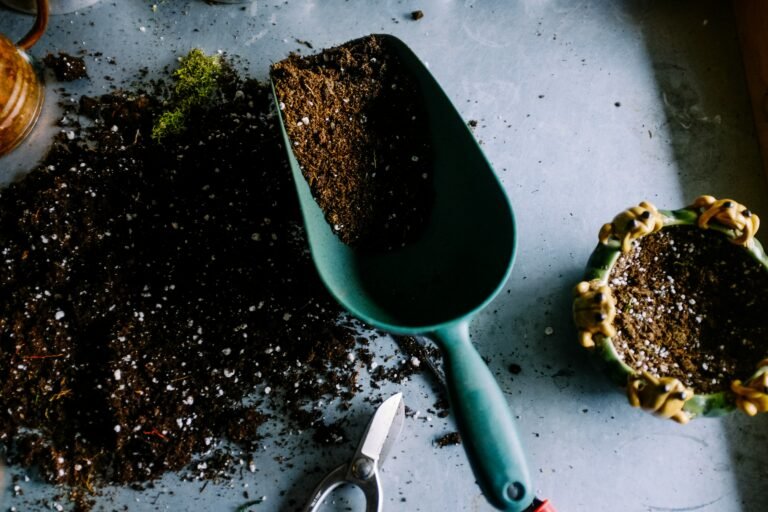
Last updated: 14.06.2026. I started mixing my own potting soil for a boring reason: I was tired of paying for bags of mix that were either too dense and waterlogged my plants, or too light and dried out in a day. Once I made my own, two things happened. My plants got noticeably happier, and…

Last updated: 13.06.2026. Here is the cruel irony of killing houseplants: most people do it with kindness. We worry, we water, we worry, we water again. And the plant droops, so it looks thirsty, so we water more, and that is the exact thing finishing it off. Overwatering kills more houseplants than neglect ever will,…
Last updated: June 12, 2026. Every so often someone asks me a version of this question: “I love the garden tower idea, but I live in a fourth-floor apartment in Boston with no balcony. Can I just… put one in the living room?” Start here: For a complete overview, see our 7 Best Hydroponic Systems…