Potting Soil vs Garden Soil: Why You Can’t Just Use Dirt from Outside
Last updated: 07.07.2026.
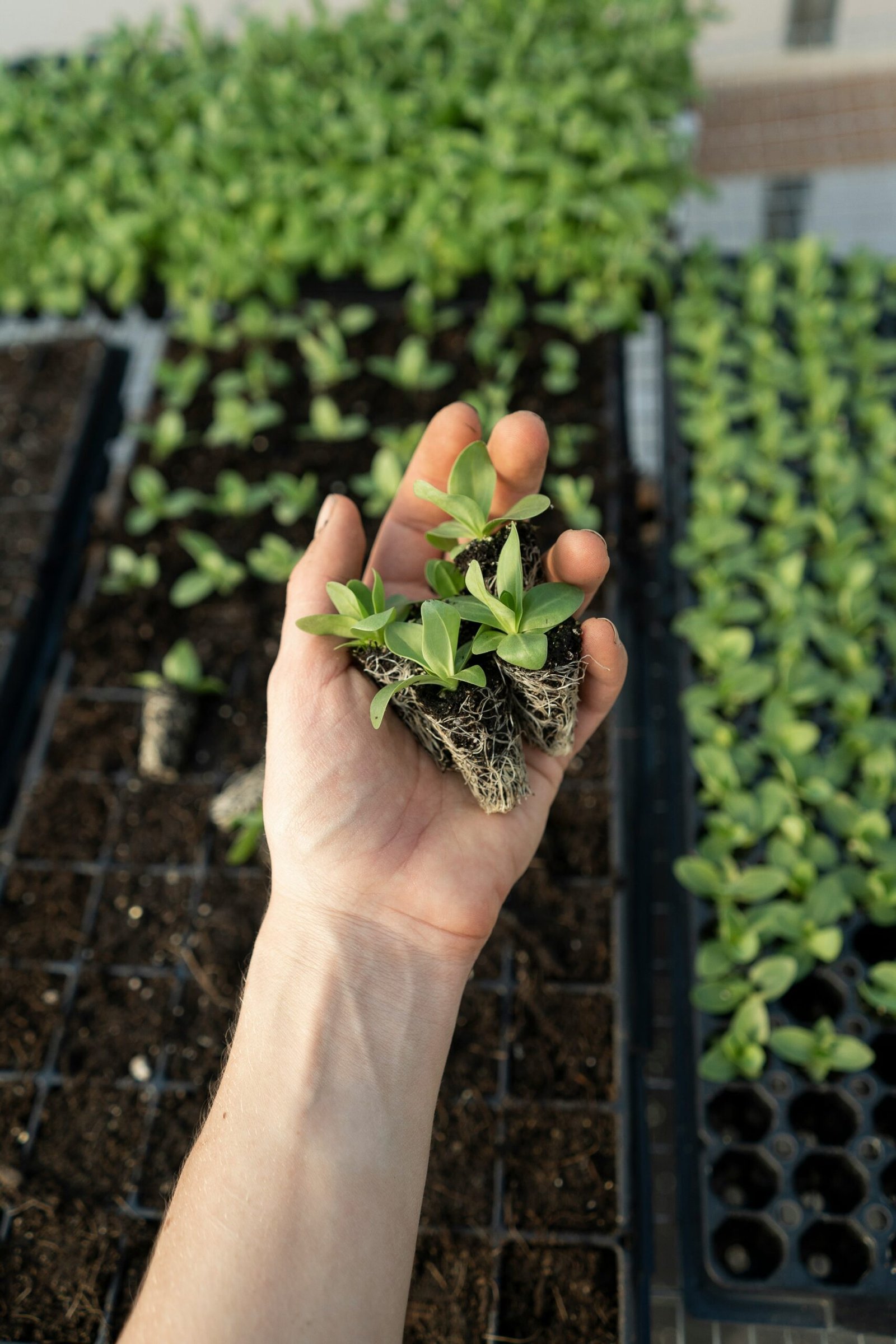
It is tempting, I get it. You need to pot up a plant, there is a whole yard full of free dirt right outside, and a bag of potting mix costs money. So you dig some up, fill the pot, and a month later the plant is sulking, the soil has set like concrete, and there are little flies everywhere. I made exactly this mistake with my first repotting, and the plant never really recovered.
Start here: For a complete overview, see our Indoor Gardening for Absolute Beginners.
Here is the thing almost every new plant owner has to learn: potting soil and garden soil are not the same product, and they are not interchangeable. Using outdoor dirt in an indoor pot is one of the most common ways to slowly kill a houseplant. This is why, and what to use instead.
The one-line answer
Garden soil is dense, heavy ground earth meant to sit in the open ground. Potting soil (also called potting mix) is a light, fluffy, fast-draining blend designed specifically for the artificial environment of a container. In a pot, garden soil compacts, suffocates roots, holds too much water, and brings in pests and disease. Potting mix does the opposite. That is the whole story, but the why is worth understanding so you never get caught out.
Why garden soil fails in a pot
Four reasons, and they compound:
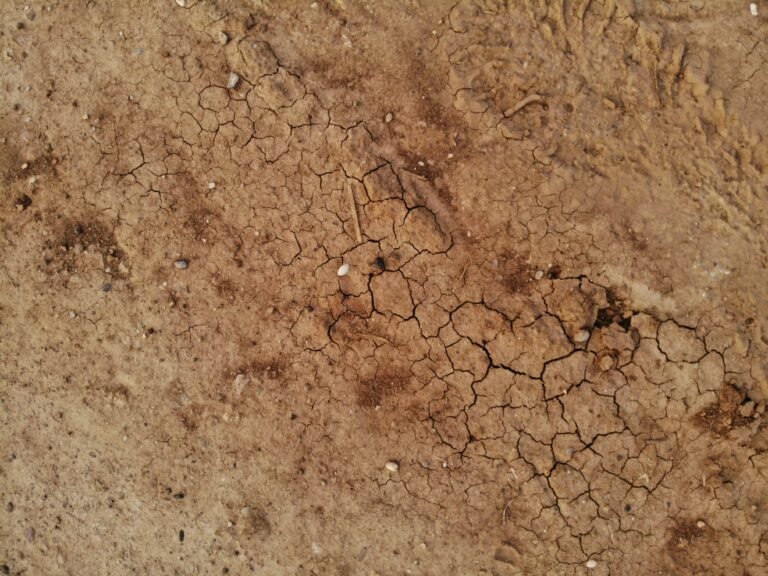
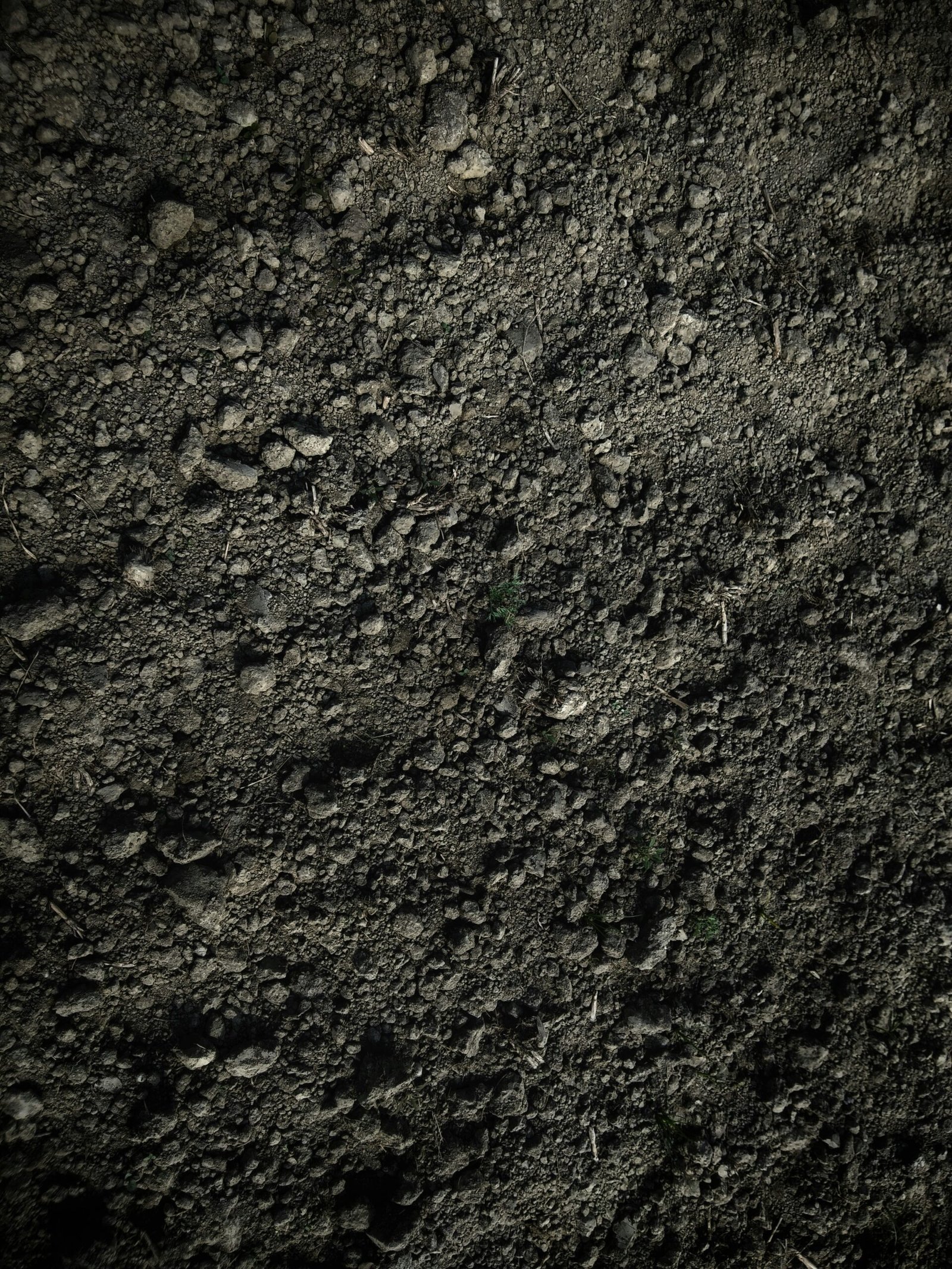
It compacts into a solid block. In the open ground, soil has worms, insects, and natural forces keeping it loose. In a sealed pot, garden soil settles and packs down hard, squeezing out the air pockets roots need to breathe. Compacted soil is a slow suffocation.
It holds too much water. Dense soil in a container stays wet far too long, and constantly soggy roots rot. This is the exact overwatering and root rot trap, except you have built it into the pot from day one.
It brings unwanted guests. Outdoor soil is full of life, which is great outside and a problem inside. It carries fungus gnat larvae, other pests, weed seeds, and fungal spores straight into your home. Half of all indoor fungus gnat problems arrive this way.
It drains poorly and unevenly. Without the structure of a proper mix, water channels through some parts and leaves others waterlogged, so roots never get consistent moisture.
What potting soil does differently
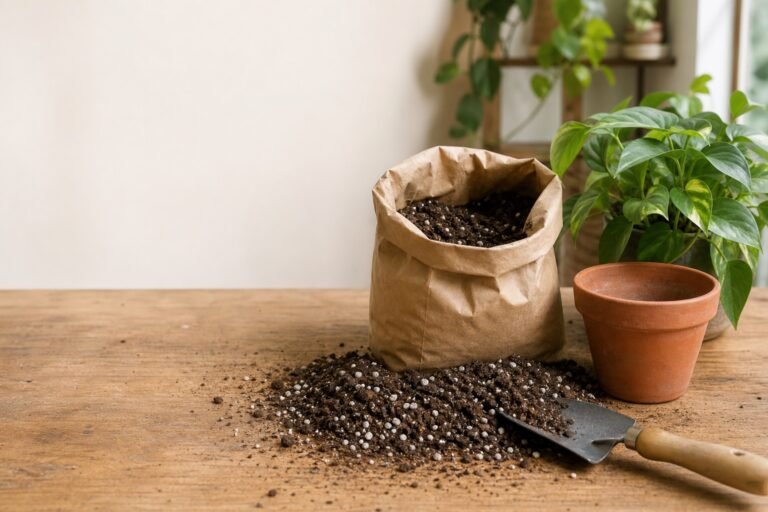
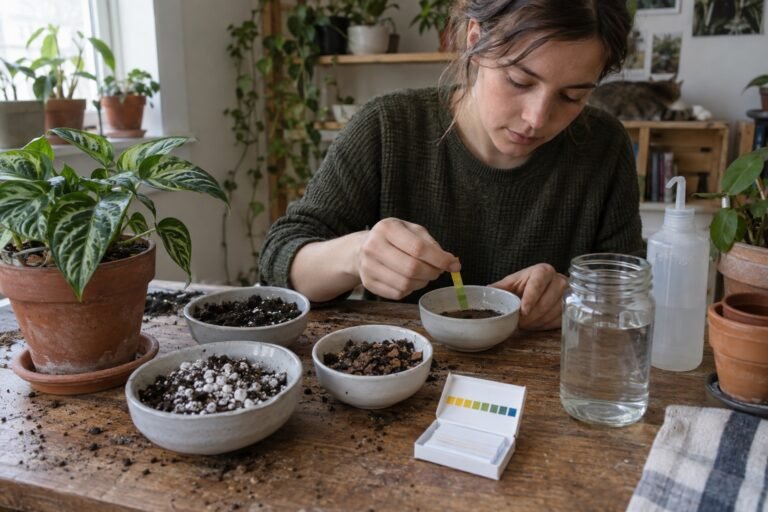
Potting mix is engineered for containers. It usually is not really “soil” at all, but a blend of coco coir or peat (to hold moisture), perlite or bark (for drainage and air), and some compost or nutrients. That combination keeps it light, airy, and free-draining, so roots get both water and oxygen and never sit in a swamp. It is also (when bought fresh and bagged) essentially sterile, so it does not import pests. If you want the full breakdown of what goes into a mix, our guide to soil amendments explains each ingredient.
So the choice is simple: for anything in a pot indoors, use potting mix. For which bagged product to actually buy, we compared the options in the best potting soil for indoor plants, and if you would rather blend your own, the DIY potting mix recipes use the same ingredients for less money.
The terms, quickly (they confuse everyone)
The labels are genuinely confusing, so here is the plain version:
- Garden soil: heavy, for digging into outdoor beds and borders. Not for pots.
- Potting soil / potting mix: light, for containers. This is what your houseplants want. (Some brands split hairs between “potting soil” and “potting mix,” but for indoor container use they are effectively the same thing you are looking for.)
- Topsoil: generic outdoor fill soil. Also not for pots.
- Compost: an ingredient (nutrients), added to mixes, not a standalone potting medium.
When you shop, look for the words “potting mix” or “for containers / indoor plants.” A basic bag of indoor potting mix costs only a few dollars (around $8 to $15, £6 to £12, €9 to €14) at any garden centre, Home Depot, B&Q, or OBI, and lasts a long time. That small cost is far cheaper than replacing dead plants.
“But can I ever use garden soil indoors?”
Honestly, no, not straight. If you are determined to use outdoor soil, it has to be a minority ingredient, sterilized (baked to kill pests and weed seeds) and heavily amended with perlite and compost to lighten it. For almost everyone that is far more hassle than just buying a bag of mix, and the results are still worse. The only real exception is very large outdoor containers, which is a different situation from indoor houseplants.
There is also a middle path: making your own mix from bulk ingredients is cheaper than premium bagged soil and better than garden dirt, covered in how to make your own potting mix. That is the frugal route done right.
The bottom line
Free dirt from the yard is not a bargain, it is a slow problem you plant your houseplant into. Garden soil compacts, drowns roots, and smuggles in pests. Potting mix is light, draining, and clean. For any indoor pot, reach for potting mix every time, whether a bought bag or your own homemade blend. When it is time to actually move a plant into it, the how to repot a houseplant guide walks through the whole process. Your plants will thank you, and you will stop wondering why the yard-dirt ones keep dying.