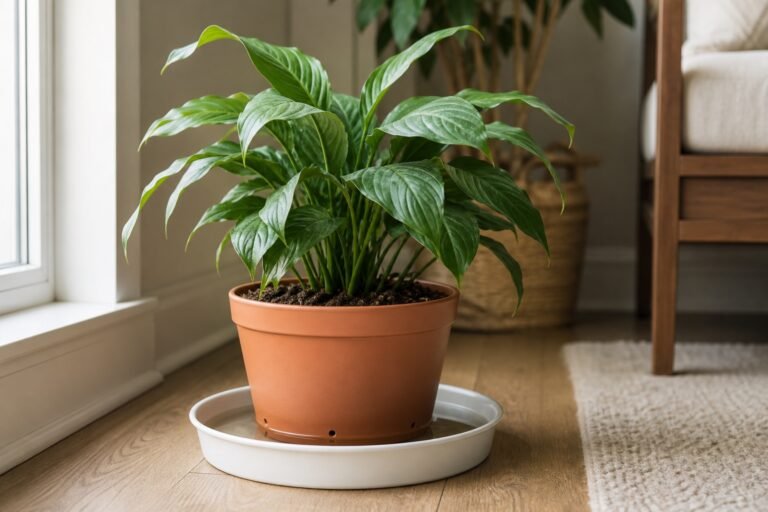
How to Propagate Houseplants in Water (Free Plants From the Ones You Have)
Last updated: 07.06.2026.
Affiliate disclosure: As an Amazon Associate I earn from qualifying purchases. Links marked “paid link” may earn Fern & Shelf a commission at no extra cost to you. Read our full Affiliate Disclosure.
Start here: For a complete overview, see our Indoor Gardening for Absolute Beginners.
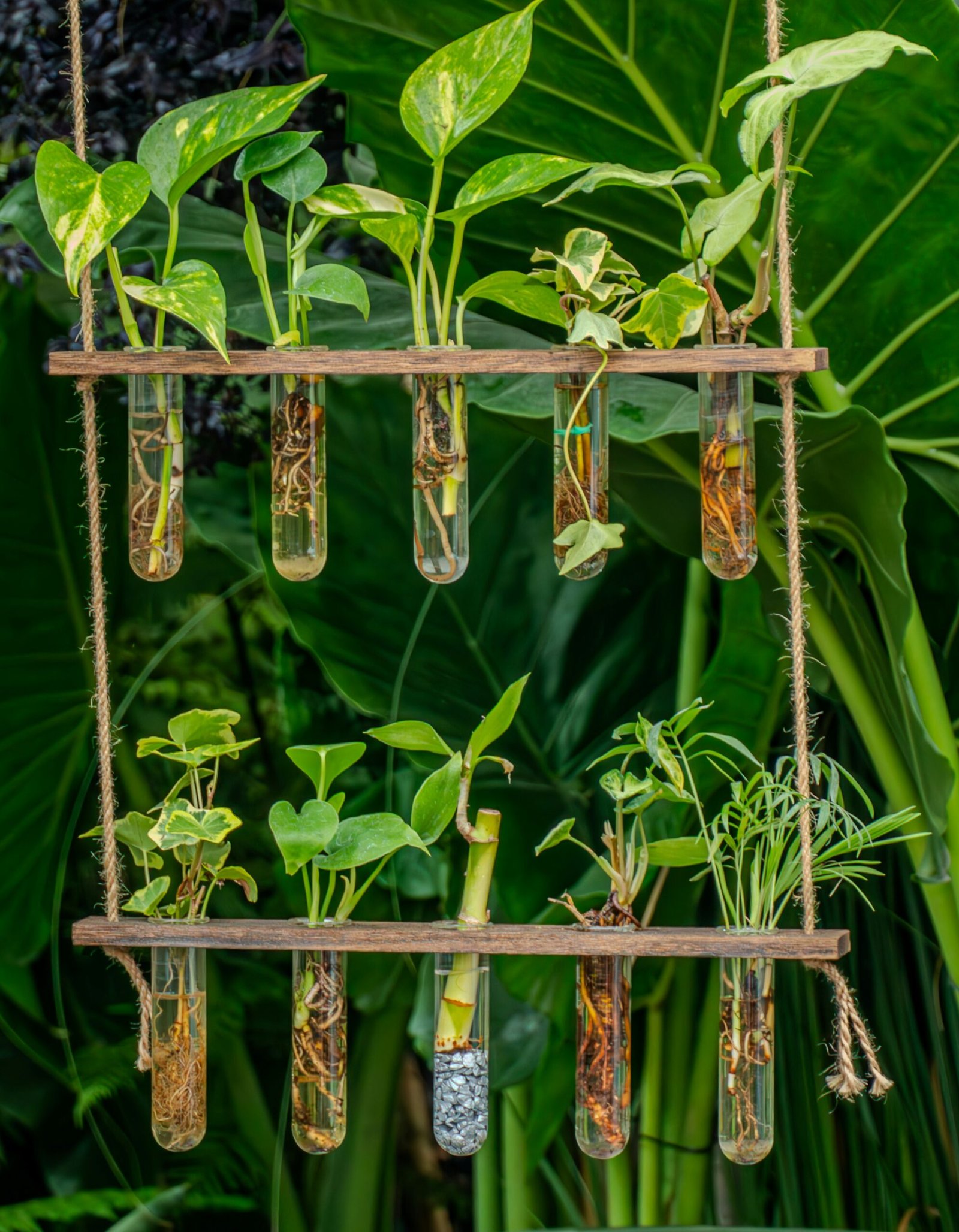
The first time I rooted a pothos cutting in a glass of water and watched a little white root push out four days later, I felt like I’d gotten away with something. One plant became two for the cost of nothing. Then two became five. Now I give cuttings to friends and my windowsill looks like a tiny laboratory, in a good way.
Water propagation is the cheapest, most satisfying thing in indoor gardening. You snip a piece of a plant you already own, put it in water, and it grows roots. No special skill, no money, and you get to watch the whole thing happen through the glass. Here is exactly how to do it, which plants work, and the few mistakes that make cuttings rot instead of root.
Why water propagation is worth doing
Beyond free plants, it’s the most beginner-friendly way to learn how plants actually work. You see the roots form, so you stop guessing. It’s also how you rescue a leggy or dying plant: take a healthy cutting before the parent goes, and you keep the plant going even if the original fails.
And in a small space it’s perfect. A row of cuttings in jars takes up a windowsill and looks lovely doing it, whether that’s a Brooklyn kitchen sill or a London flat’s only bright ledge.
The plants that root easily in water
Not everything roots in water, but the easy ones are also the most common houseplants, which is convenient.
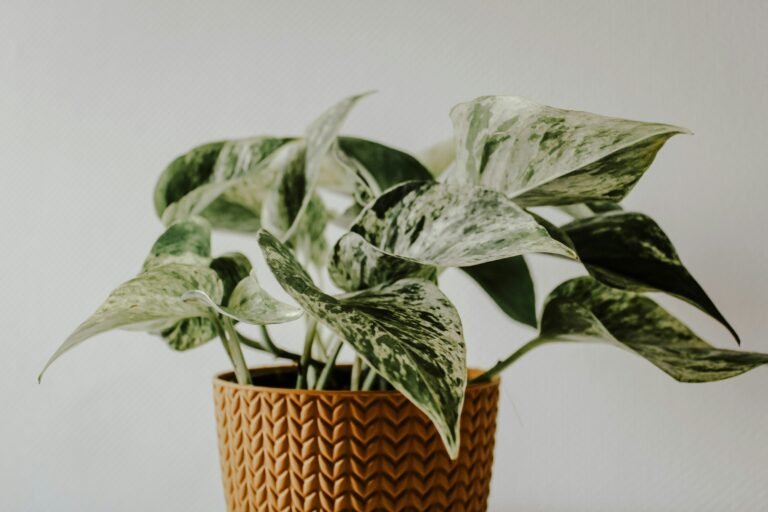
Pothos. The easiest of all. Roots in days. If you only try one, try this. (More on keeping the parent healthy in why your pothos keeps dying.)
Heartleaf philodendron. Just as easy as pothos, roots fast and reliably.
Spider plant. It basically propagates itself: the little “babies” it dangles already have root nubs. Snip one off and set it in water.
Tradescantia (wandering dude). Roots almost aggressively. A single cutting fills a jar with roots in a week or two.
Monstera. Roots in water from a cutting with a node. Slower than pothos, but a cheap way to get an expensive plant.
Herbs: basil, mint, rosemary. Yes, kitchen herbs root in water too. A basil cutting from the grocery store becomes a whole plant. Mint roots especially fast. (Coriander, for UK readers, is the stubborn exception that prefers seed.)
The actual method, step by step
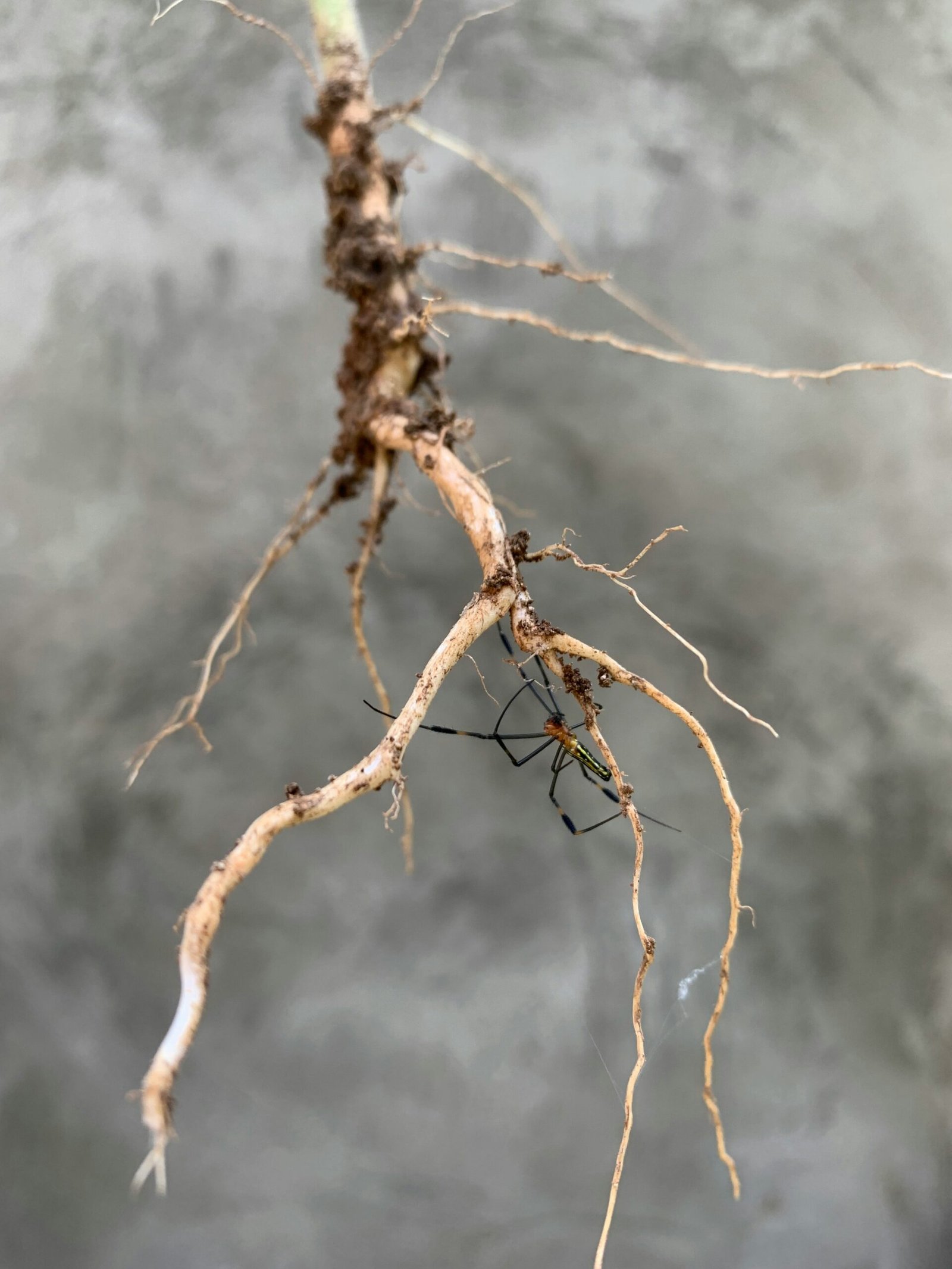
1. Find a node. This is the single most important thing. A node is the little bump on the stem where leaves and roots grow from. No node, no roots. Cut just below a node so that node sits in the water. A cutting with leaves but no node will never root, which is the mistake that frustrates beginners most.
2. Take a clean cut. Use clean, sharp scissors or pruning snips (paid link). Cut a 4 to 6 inch (10 to 15 cm) piece with at least one node and a couple of leaves. Wipe the blades first so you don’t introduce rot.
3. Strip the lower leaves. Remove any leaves that would sit underwater. Leaves in water rot and foul the whole glass. You want the node submerged and the leaves up in the air.
4. Put it in water. Any clear glass or jar works, but small glass propagation vases (paid link) look tidy and let you watch the roots. Use room-temperature water. Clear glass matters mostly so you can see progress; the roots don’t care.
5. Set it in bright, indirect light. Near a window but out of harsh direct sun. Too dark and it stalls; too hot and it cooks.
6. Change the water every 3 to 5 days. Fresh water carries oxygen, which roots need. Stale, cloudy water is the second most common reason cuttings rot. This one habit makes the biggest difference.
7. Wait. Roots usually appear in 1 to 3 weeks depending on the plant. Pothos and tradescantia are quick; monstera takes its time.
When and how to move it to soil
Once the roots are about 2 to 3 inches (5 to 8 cm) long, the cutting is ready for a pot. Don’t rush it, and don’t wait forever either: water roots and soil roots are slightly different, so a cutting that lives in water for months has a harder time adjusting to soil later.
Pot it into a small container with light organic potting mix (paid link), water it well that first time, and keep the soil a bit more moist than usual for the first couple of weeks while it transitions. After that, treat it like any other plant and follow the normal watering routine.
Some people skip soil entirely and keep plants in water long-term or in semi-hydro setups. That works for pothos and a few others, but most plants are happier moved to soil eventually.
Related guides and tools
The handful of mistakes that cause rot
Almost every failed cutting comes down to one of these:
- No node in the water. The big one. Leaves alone don’t root.
- Leaves submerged. They rot and spoil the water. Strip them.
- Never changing the water. Stagnant water starves roots of oxygen. Refresh it every few days.
- Too little light. A dark corner stalls rooting. Bright indirect light is the target. If your place is genuinely dim, the low-light plants guide explains the light situation, and these still root, just slower.
- Impatience. Some plants take three weeks. Leave it alone and let it work.
Water propagation turned me from someone who bought plants into someone who makes them. Start with one pothos cutting in a glass by the window. In a couple of weeks you’ll have roots, and shortly after that you’ll be eyeing every plant in the house wondering where the nodes are. It’s a good habit to fall into, and it’s free. For more plants that are forgiving enough to experiment on, the easiest indoor plants for beginners are the ones to practice with.