How to Get Rid of Fungus Gnats (The Method That Finally Worked for Me)
Last updated: 06.06.2026
Affiliate disclosure: As an Amazon Associate I earn from qualifying purchases. Links marked “paid link” may earn Fern & Shelf a commission at no extra cost to you. Read our full Affiliate Disclosure.
Start here: For a complete overview, see our Indoor Gardening for Absolute Beginners.
There’s a specific kind of rage that comes from those tiny black flies drifting up out of your plant pots every time you walk past. Not biting, not dangerous, just there — in your coffee, in your face, multiplying. I let it get bad once. Three plants, a cloud of gnats, and me waving my hand around like an idiot for two weeks before I actually dealt with it properly.
Here’s the thing I wish I’d understood sooner: the flies you see are the least of it. The real problem is in the soil. Kill the adults and ignore the larvae and you’re back to square one in a week. So the method that actually works hits both at once. Here’s the whole thing.
First, confirm it’s actually fungus gnats
Tiny (2–4 mm), dark, weak fliers that hang around the soil surface and stumble through the air? Fungus gnats. They look a bit like fruit flies but fruit flies swarm your fruit bowl and bananas, not your pots. If they’re rising from the soil, it’s gnats.
They’re mostly harmless to you and to mature plants — the adults don’t bite and don’t really damage healthy plants. But the larvae in the soil eat roots, which can quietly hurt seedlings and weak plants. And they breed fast. So “harmless” doesn’t mean “ignore.”
Why you have them: overwatering, basically
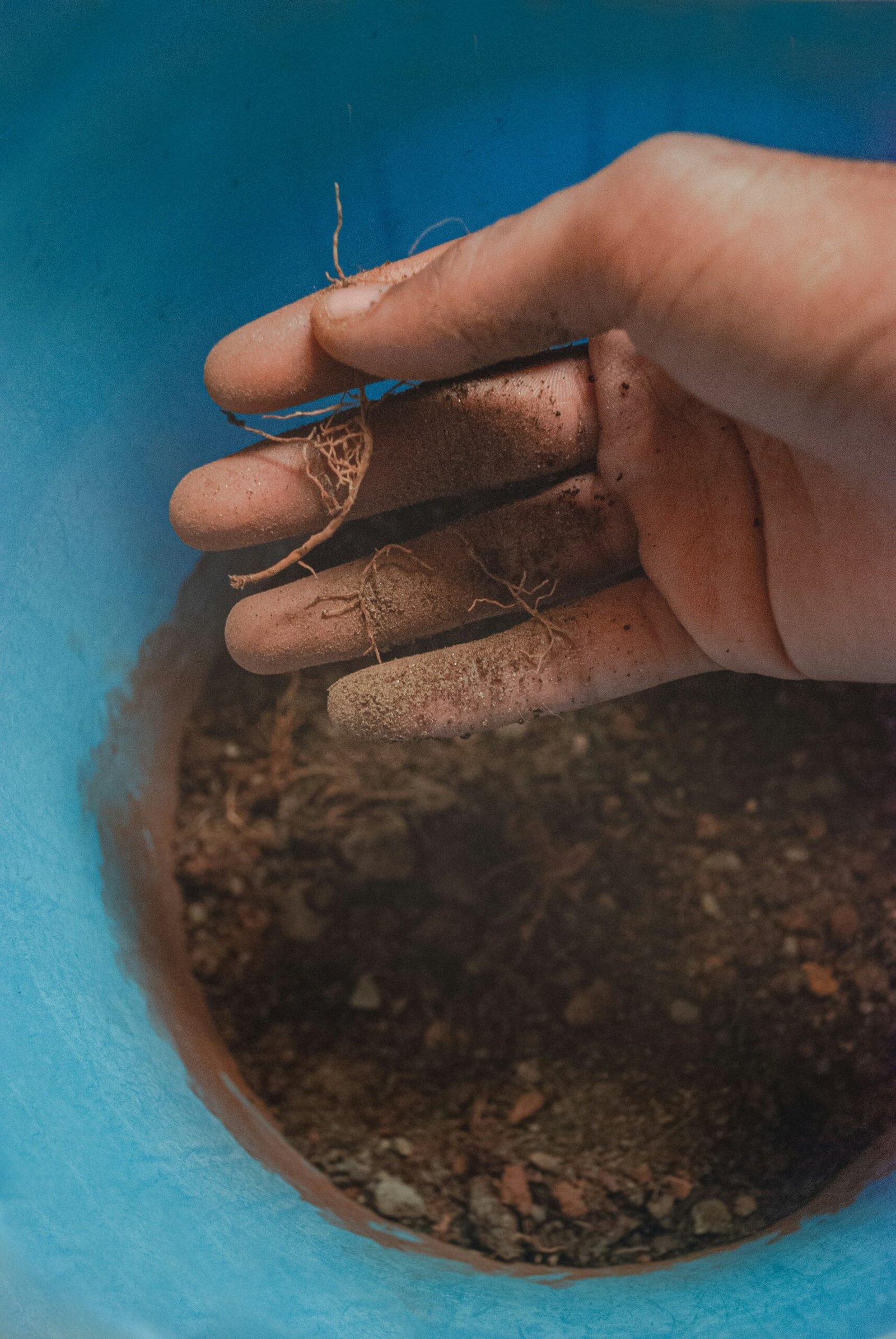
This is the root cause nine times out of ten. Fungus gnats lay eggs in the top inch or two of constantly-damp soil, and the larvae feed on fungus and organic matter in that wet layer. Soggy soil is a nursery.
Which means the single biggest fix isn’t a spray — it’s watering less. If your soil never dries out, you’re running a gnat hatchery. Getting your watering right is half the battle, and it’s worth reading how often to water indoor plants properly, because overwatering is also what’s behind a lot of other plant misery (it’s a big reason pothos keeps dying and snake plants rot too).
The attack plan: hit adults and larvae together
You need to do these at the same time. Picking one won’t work.
1. Let the soil dry out. Stop watering until the top 1–2 inches (2–5 cm) are bone dry. Many adults and eggs die without that constant moisture. Bottom-water from now on (water from a tray below) so the surface stays dry while roots still drink.
2. Trap the adults – yellow sticky traps. Gnats are drawn to yellow. Flat or stake yellow sticky traps (paid link) laid on the soil surface catch the egg-laying adults and break the breeding cycle. They also let you see whether you’re winning – fewer caught each day means it’s working. Cheap and the most satisfying part.
3. Kill the larvae — BTI. This is the step people skip and the reason their gnats come back. BTI (Bacillus thuringiensis israelensis) is a naturally occurring bacterium harmless to plants, pets, and people, but lethal to gnat larvae. It comes as mosquito bits / BTI granules (paid link) – steep them in your watering water, then bottom-water with it. The larvae eat it and die. Do this for two or three waterings.
4. Top the soil with a dry barrier. A half-inch layer of horticultural sand or fine gravel (paid link) – or even just dry décor pebbles – on top of the soil stops adults reaching the damp layer to lay eggs. Cuts the cycle off cold.
That four-part combo cleared mine in about ten days. Sticky traps caught the stragglers, BTI handled the soil, less watering kept it from restarting.
The optional nuclear option
If it’s a heavy infestation across many plants, a hydrogen peroxide soil drench kills larvae on contact: mix one part 3% hydrogen peroxide to four parts water and water it in. It fizzes (harmless), kills larvae, then breaks down into water and oxygen. Effective but harsher on roots, so I treat it as a backup, not a first move.
For a truly stubborn plant, the cleanest fix is a full repot – remove as much old infested soil as you can and replace with fresh, and let the plant dry out before its next drink. A bag of fresh sterile potting mix (paid link) (nofollow, sponsored) runs a few dollars at Home Depot, B&Q, or OBI.
How to never deal with them again
Prevention is almost entirely about moisture and clean soil:
- Water only when the top inch is dry. Same rule that prevents most houseplant problems. This alone prevents most gnat outbreaks.
- Bottom-water so the surface stays dry and uninviting.
- Quarantine new plants for a couple of weeks — most infestations arrive in the soil of a new plant from the shop. A north-facing windowsill in your Berlin Altbau or a spare shelf works as a holding zone.
- Use fresh, sterile mix when repotting, and don’t reuse old soil from a plant that had gnats.
- Empty drainage trays — standing water in the saucer is another breeding spot.
Get watering right and fungus gnats mostly stop being a thing that happens to you. The whole saga taught me the same lesson half of indoor gardening teaches: I was loving my plants to death with the watering can. For the full habit, the watering guide is the anchor — and if you’re newer to all this, the easiest indoor plants to keep alive are the most forgiving of the occasional misstep.
A note for anyone worried: fungus gnats are an annoyance, not an emergency. No special tools, no exterminator. Dry soil, sticky traps, BTI. That’s the whole cure.