Soil Amendments Explained: Perlite, Vermiculite, Coco Coir, and the Rest
Last updated: 17.06.2026
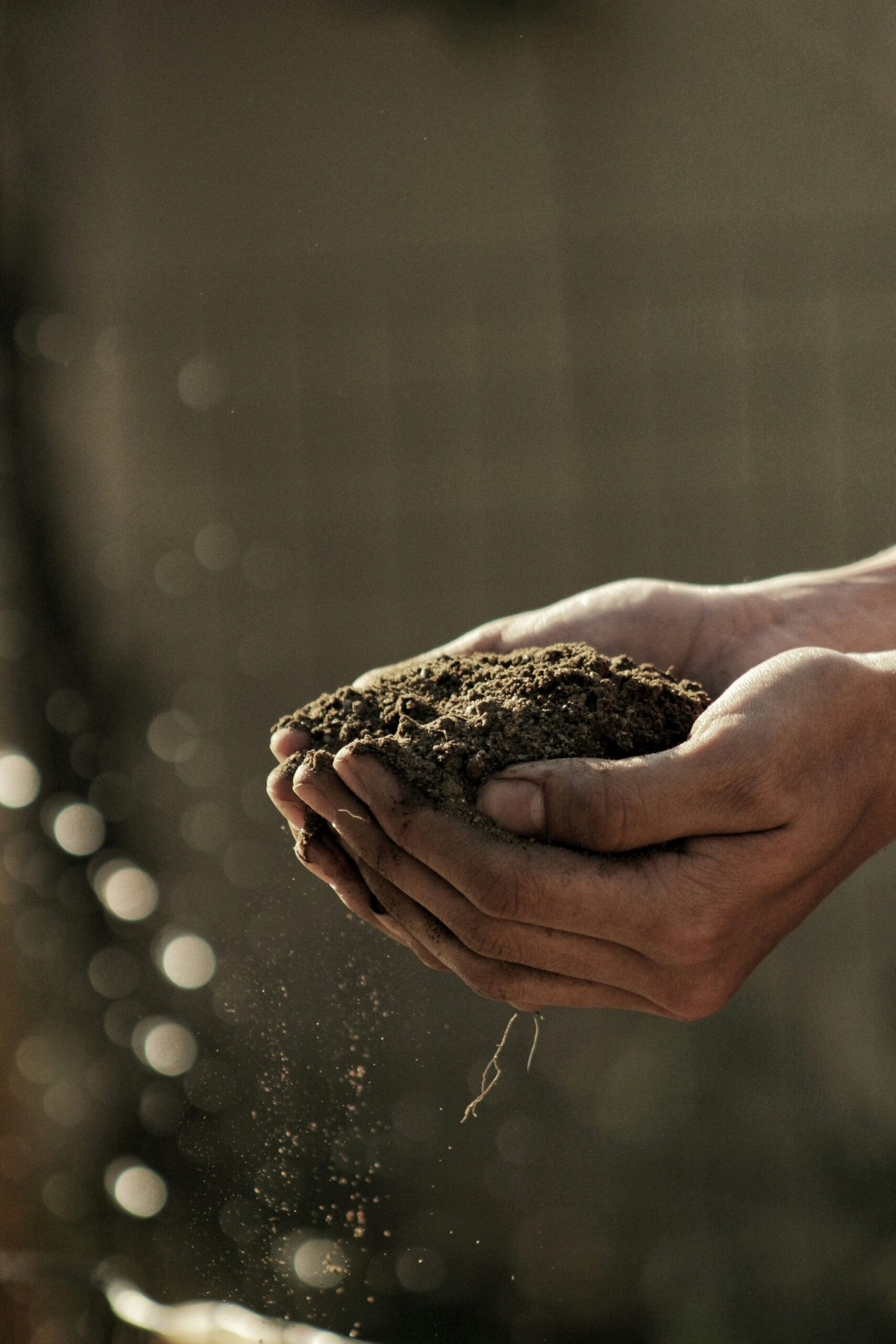
Walk down the soil aisle and you hit a wall of bags with names like perlite, vermiculite, coco coir, pumice, and orchid bark. Most people grab a generic “potting soil” and move on, with no idea what any of the rest do. Which is a shame, because understanding these few ingredients is the difference between plants that just survive and plants that genuinely thrive.
Start here: For a complete overview, see our Indoor Gardening for Absolute Beginners.
These are soil amendments, things you add to or build a potting mix from to change how it behaves. None of them are complicated. Each one does a specific, simple job. Once you know what each does, you can fix a soggy mix, save a rotting plant, or build the perfect blend for any plant. Here is the plain-language guide to all of them.
First, what an amendment actually does
Every potting mix has to balance three things: hold water, let in air and drain, and provide nutrients. Amendments are how you adjust that balance. Some add drainage and air. Some add water retention. Some add nutrients. That is the whole concept. When you read the list below, just ask “which of the three jobs does this one do?” and it all makes sense.
This pairs directly with two other guides: if you want to build a mix from scratch, the how to make your own potting mix recipes use these ingredients, and if you just want a finished bag, the best potting soil for indoor plants roundup covers ready-made options.
The drainage and aeration amendments
These create air pockets and help water flow through instead of pooling. They are what you reach for when soil stays too wet, the cause of most overwatering and root rot.
Perlite. Those little white styrofoam-looking balls. It is actually puffed volcanic glass, lightweight and full of tiny pockets. It adds drainage and air without holding much water itself. The default, do-everything aeration amendment. Add perlite to almost any mix that drains too slowly.
Pumice. Like perlite but heavier and chunkier, a natural volcanic rock. It does the same aeration job and does not float to the surface the way perlite can. Great for succulents and for top-heavy plants that need a stable, weighty pot. Pumice is a favorite for cacti.
Orchid bark. Chunks of bark that create large air gaps and structure. Essential for epiphytes like orchids, and excellent in aroid mixes (monstera, philodendron) that want a loose, chunky medium. Orchid bark is what makes a mix feel airy rather than dense.
Coarse sand and grit. Adds drainage and weight, mainly for succulents, cacti, and gritty mixes. Use horticultural or coarse sand, not fine play sand, which compacts.

The water-retention amendments
These hold moisture so roots can drink between waterings. They form the base of most mixes.
Coco coir. Made from coconut husks, this is the modern base of choice for most mixes. It holds moisture well, rehydrates easily, drains better than peat, and is more sustainable. It usually comes as a compressed brick that expands hugely in water, which is handy for storage in a small flat. Coco coir is my default base ingredient.
Peat moss. The traditional moisture-holding base, found in most bagged mixes. It works well but holds a lot of water (can get soggy), is acidic, and harvesting it is environmentally damaging. I lean toward coir instead, but peat is everywhere and effective.
Vermiculite. A mineral that puffs up and holds both water and nutrients. It retains more moisture than perlite, so it is great for seed starting and for moisture-loving plants, but use it carefully, since too much makes a mix soggy. Think of vermiculite as the opposite of perlite: perlite drains, vermiculite holds.
Sphagnum moss. Long-fiber moss that holds a lot of water, used for plants that love constant moisture and for propagation. Different from peat (which is decomposed). Sphagnum moss is great for aroid props and humidity-loving roots.
The nutrient amendments
These feed the plant. A drainage-and-water mix with no nutrients will keep a plant alive but not thriving, so most mixes include one of these.
Compost. Decomposed organic matter, full of nutrients and beneficial microbes. A handful in a mix feeds plants slowly and naturally.
Worm castings. Worm compost, basically. Gentle, rich, slow-release nutrition that will not burn roots, plus good microbes. A little goes a long way. Worm castings are my favorite nutrient add-in for indoor pots because they are clean and odorless.
Slow-release fertilizer. Not strictly an “amendment,” but pellets of slow-release plant food mixed in feed over months. Useful when you would rather not remember to fertilize often.
A quick reference: which to use when
- Soil stays too wet / plant keeps rotting: add perlite, pumice, or bark.
- Soil dries out too fast: add coco coir or vermiculite.
- Succulents and cacti: pumice or coarse sand plus a little coir.
- Aroids (monstera, philodendron): lots of bark and perlite, chunky and airy.
- Ferns and moisture-lovers: more coir, a bit of sphagnum.
- Seed starting: finer mix with vermiculite for steady moisture.
- Feeding: worm castings or compost mixed in.
You can buy these individually at any garden centre, US, UK, or German (think Home Depot, B&Q, or OBI), and a little goes a long way, so a single bag of perlite or a brick of coir lasts a long time even with a lot of plants.
You do not need all of these. Honestly, perlite, coco coir, and worm castings cover the vast majority of indoor plants between them, and that is the trio I keep on hand. The rest are for when you get into specific plants with specific needs. But knowing what each one does turns soil from a mystery bag into something you control, and that control is what keeps plants thriving instead of merely surviving. When you are ready to put it together, the DIY potting mix recipes show the proportions.