How to Grow Mint Indoors (The Herb That’s Almost Impossible to Kill)
Last updated: 21.06.2026.
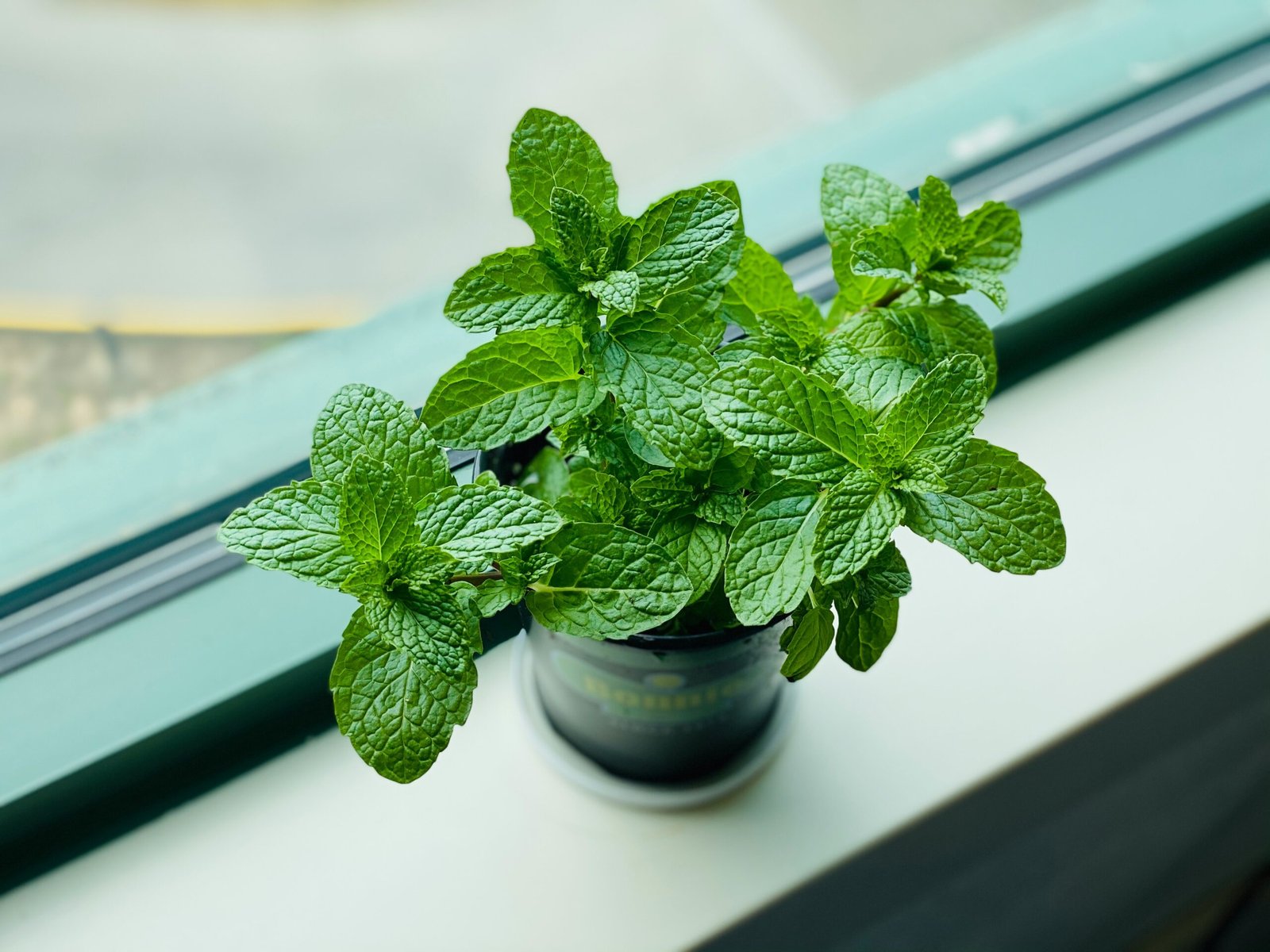
If basil is the herb that tests your patience indoors, mint is its opposite. Mint wants to grow. It wants to grow so badly that outdoors it becomes a problem, taking over flower beds and choking out everything around it. Which is exactly why it is perfect for an indoor pot, where those same bullying instincts get safely contained and just give you endless free mint instead.
Fresh mint for tea, for cocktails, for cooking, for the simple pleasure of crushing a leaf and smelling summer in January. It is one of the easiest, most rewarding things you can grow on a windowsill. Here is how to keep it thriving, and how to stop the two things that do occasionally kill it.
Why mint is ideal for indoor growing
Mint is a vigorous perennial that spreads through underground runners. In a garden that makes it invasive. In a pot, that vigor just means a fast, full, forgiving plant that bounces back from almost anything. It tolerates less light than most herbs, it regrows aggressively after harvest, and it is hard to kill through neglect.
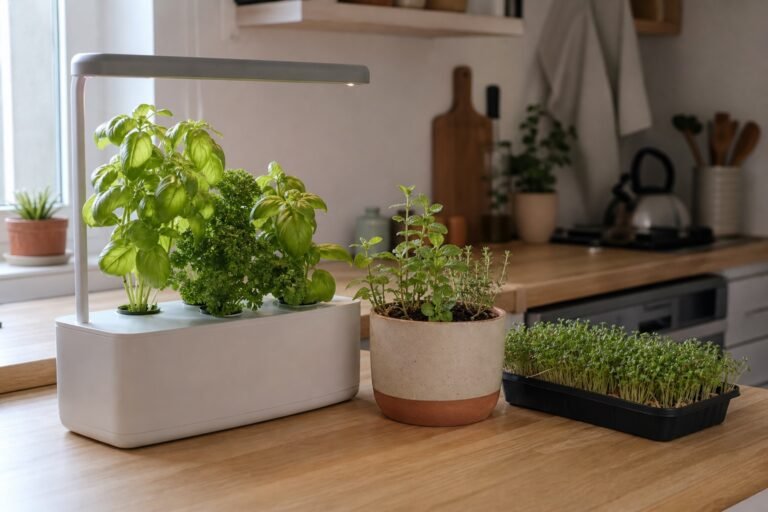
It is also one of the few herbs that is genuinely better contained. Growing it indoors in a pot is not a compromise, it is the recommended way to grow it even by people with gardens. A Brooklyn windowsill or a London flat kitchen suits it perfectly.
Starting your mint
Here is the one quirk: mint does not grow well from seed. It is slow, unreliable, and the seedlings are often weak. Skip seeds. Instead, start mint one of three easy ways:
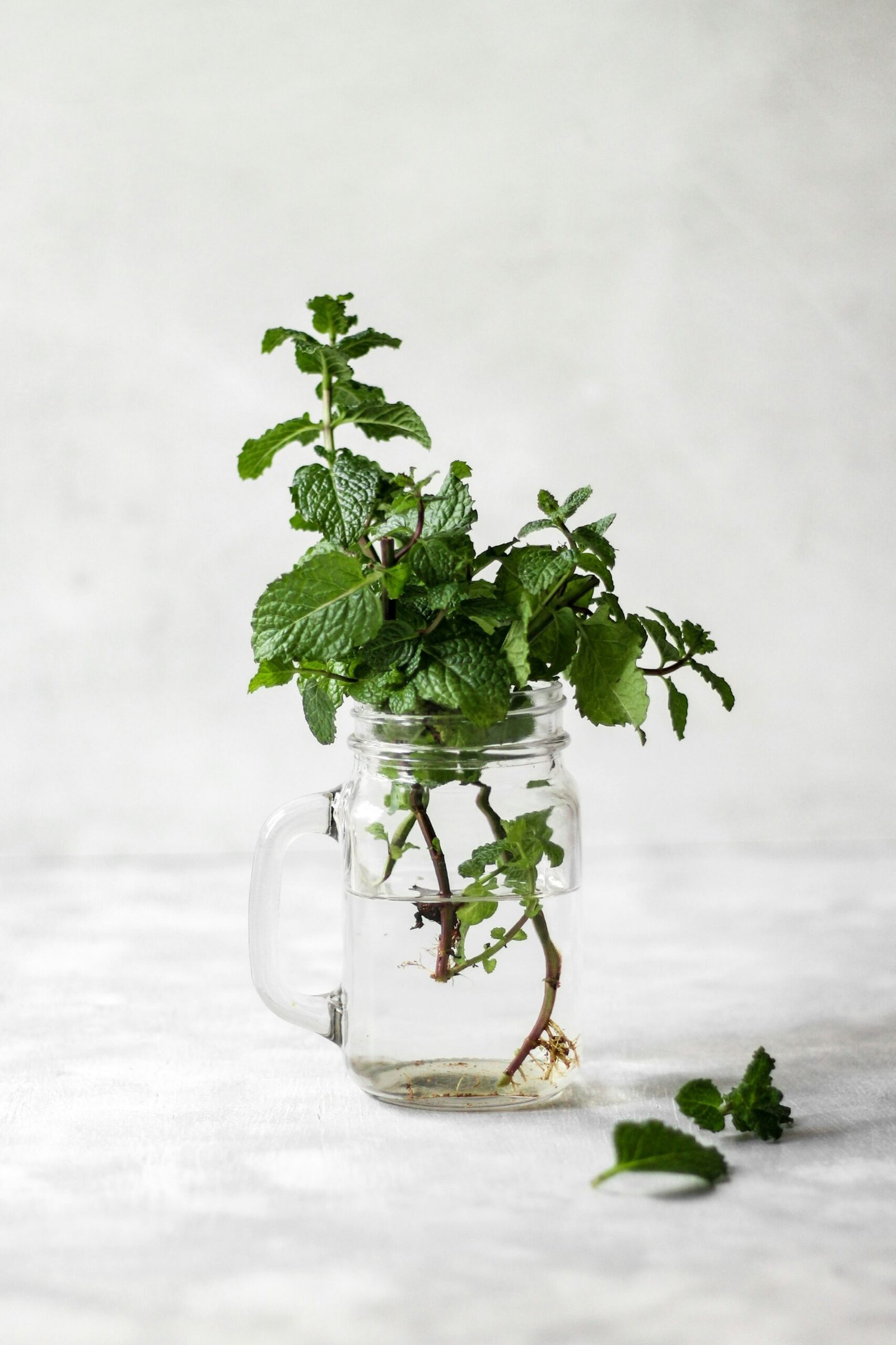
From a cutting (free and easy). Take a 4 to 6 inch (10 to 15 cm) sprig from an existing mint plant or even a healthy supermarket bunch, strip the lower leaves, and put it in a glass of water. It roots in about a week, the same simple water propagation that works for houseplants. Then pot it up.
From a starter plant. Buy a small mint plant from a garden centre (US, UK, or German, around $4 to $6 / £3 to £5 / €4 to €6) and repot it into something bigger.
From a supermarket living pot. Like basil, those crammed pots can be split into a couple of roomier pots and rescued.
Use a pot at least 6 inches (15 cm) wide with a drainage hole, filled with a good organic potting mix. Mint is not fussy about soil.
Light: mint is more forgiving than most herbs
Mint wants bright light but tolerates less than basil or rosemary, which makes it great for less-than-perfect windows. Aim for 4 to 6 hours of light a day. An east- or west-facing windowsill works well. It even limps along in a brighter north-facing spot, though it will be less bushy.
If your place is dim, especially in winter or in a shaded Berlin Altbau, mint responds well to a grow light. It is not as light-hungry as most herbs, so even a modest one keeps it full. The do you need a grow light guide helps you decide.
Watering: the one thing mint actually wants
Unlike most herbs, which hate wet feet, mint genuinely likes consistently moist soil. It is a thirsty plant. Water when the top half-inch (about 1 cm) of soil feels dry, which in a warm room may be every couple of days.
That said, “moist” is not “swampy.” Mint still needs a drainage hole and should not sit in a saucer of water, or you risk the root rot that gets every overwatered plant. The rule: keep it damp, never soggy. If the leaves wilt and the soil is dry, it is just thirsty and bounces right back after a drink.
Harvesting: the more you cut, the more you get
This is the joy of mint. Harvest by pinching stems just above a pair of leaves, and the plant branches into two new stems at that spot, getting bushier each time. You genuinely cannot over-harvest a healthy mint plant through normal use, it grows back faster than you can use it.
Pinch off any flower buds when they appear to keep the leaves tender and the plant focused on foliage. Harvest regularly even if you are not using it all, because regular cutting keeps it bushy rather than leggy.
The two things that do kill mint
Mint is nearly unkillable, but two things get it:
Letting it dry out completely. Unlike drought-tolerant herbs, mint does not forgive a fully bone-dry pot for long. If you forget it entirely for a week in a hot room, it can crisp. The fix is simply to keep an eye on moisture.
Rust (a fungal disease). Occasionally mint gets orange spots on the undersides of leaves, called rust. It is uncommon indoors but spreads in damp, stagnant, crowded conditions. If you see it, remove affected leaves, improve airflow, and avoid wetting the foliage. Good spacing and a little air movement prevent it.
Neither is common indoors with basic care.
Varieties worth trying
Spearmint is the classic all-purpose mint, great for cooking and tea. Peppermint is stronger and more intense, better for tea and desserts. For fun, chocolate mint (genuinely smells like it), apple mint, and mojito mint all grow the same easy way and make a lovely lineup of pots on a sill.
A quick word of advice from experience: grow each mint variety in its own pot. Mint spreads so aggressively that two types in one pot will compete, and the more vigorous one wins.
Mint is the herb to grow if basil has bruised your confidence or you just want a guaranteed win. Give it a pot, decent light, regular water, and frequent harvesting, and it rewards you with more fresh mint than you know what to do with, all year. If it goes well, the same easy approach extends to a whole windowsill, covered in how to grow herbs indoors without sunlight.