8 Houseplants That Love Bathroom Humidity (And Thrive Where Others Die)
Last updated: 25.05.2026.
Affiliate disclosure: As an Amazon Associate I earn from qualifying purchases. Links marked “paid link” may earn Fern & Shelf a commission at no extra cost to you. Read our full Affiliate Disclosure.
Start here: For a complete overview, see our Indoor Gardening for Absolute Beginners.
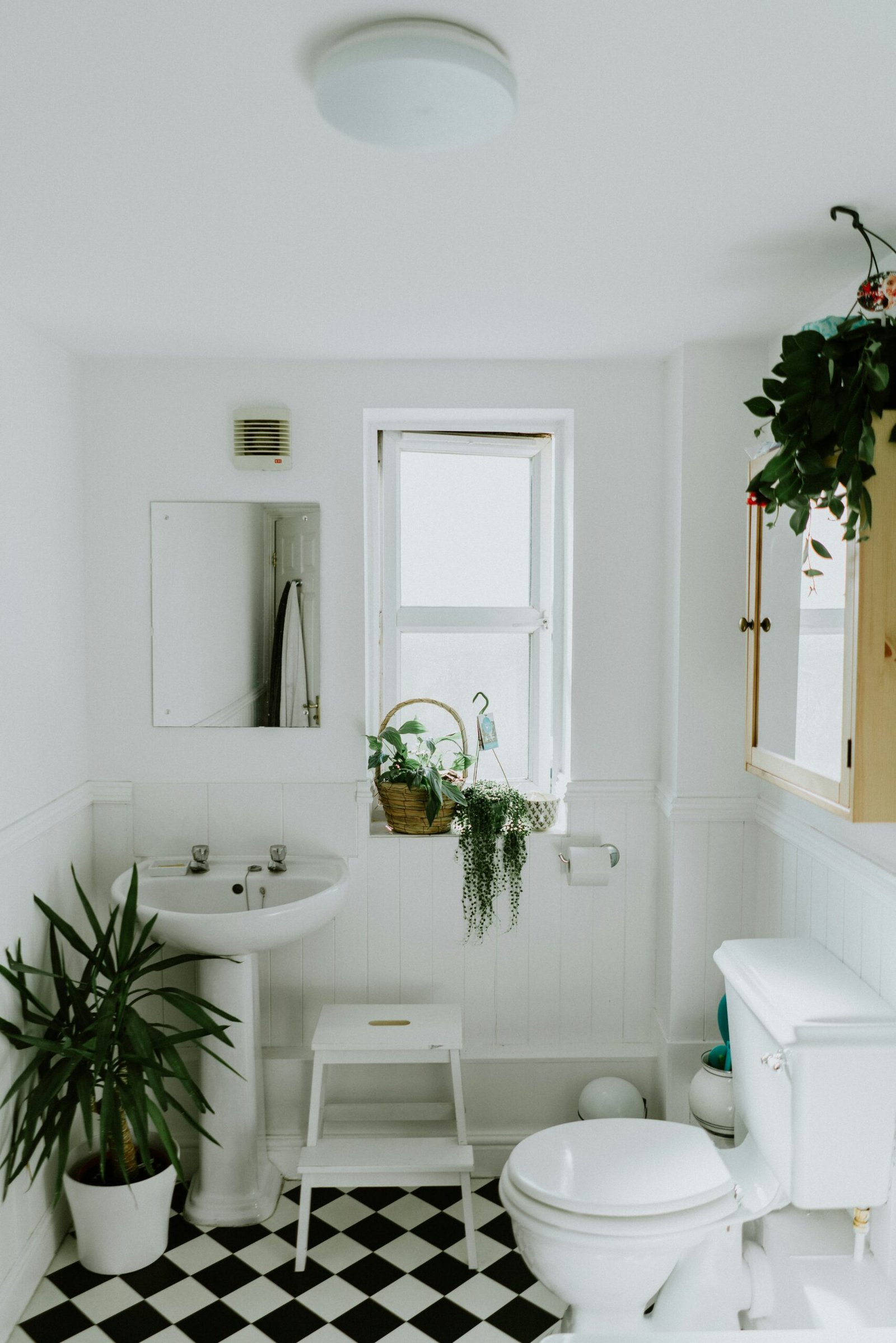
If you’ve ever walked into a friend’s bathroom and seen a thriving Boston fern in a spot you’d never think a plant could survive — they didn’t get lucky. They picked a plant that prefers exactly what a bathroom offers: high humidity, indirect light, and warm temperatures from daily showers.
Most houseplant lists treat humidity as a problem to manage. In a bathroom, it’s a feature. Here are 8 plants that genuinely thrive in bathroom conditions, plus what you actually need to know to keep them alive.
What makes a bathroom different (and better) for some plants
A typical bathroom has three conditions that most living rooms don’t:
- High humidity — 50–80% during and after showers, slowly dropping back to room humidity through the day. Most tropical houseplants come from rainforests where 70–90% humidity is normal.
- Indirect light — bathrooms typically have one small window or none. Plants that prefer low to medium indirect light love this.
- Stable warmth — bathrooms stay slightly warmer than other rooms due to plumbing and frequent hot water.
The trade-offs: low light limits what you can grow (flowering plants generally hate it), and the high-humidity-then-dry cycle means you want plants that don’t mind variability. The 8 below handle all of this gracefully.
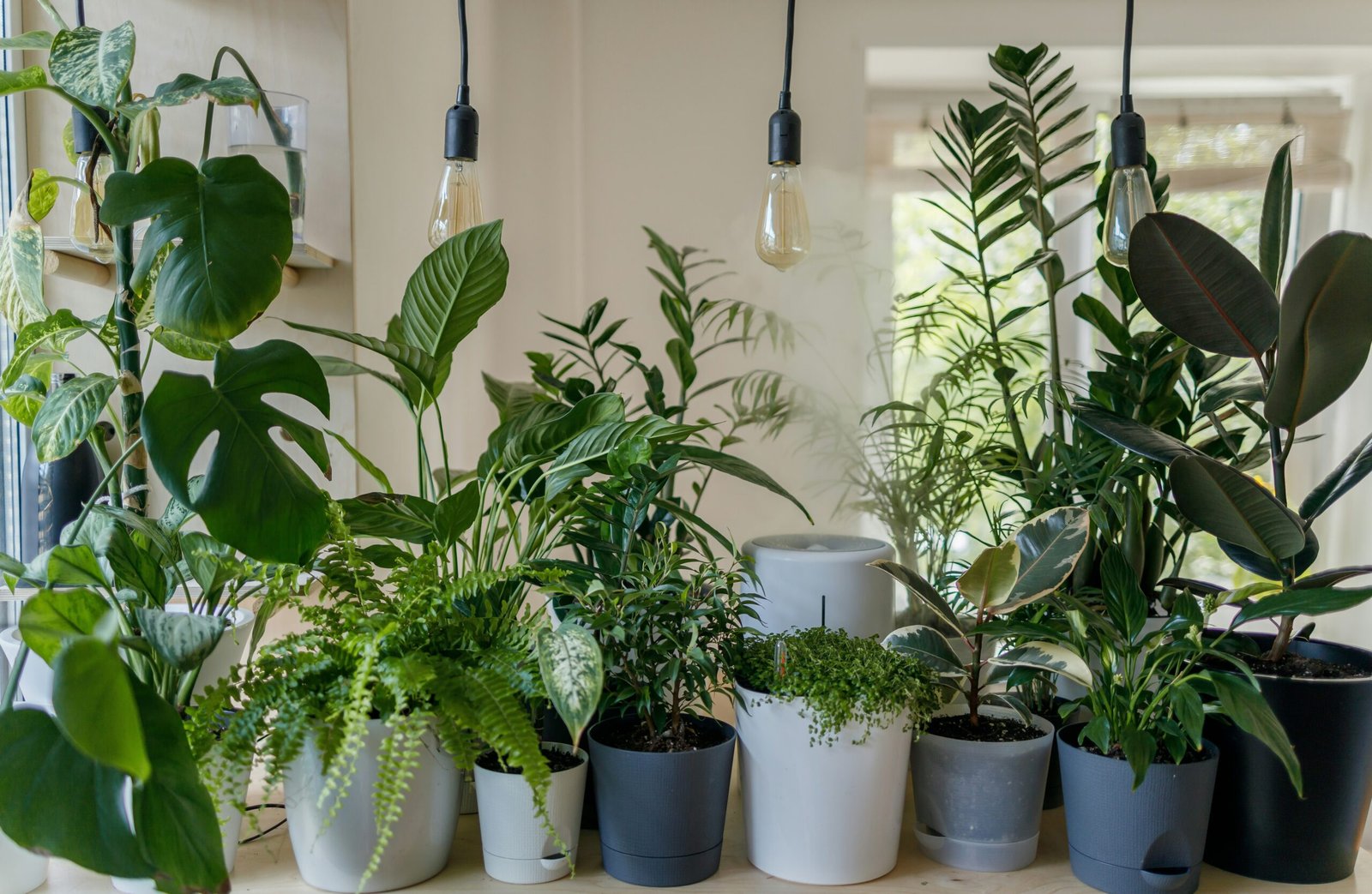
1. Boston Fern (Nephrolepis exaltata)
The classic bathroom plant for good reason. Boston ferns demand humidity above 50% to look their best — exactly what bathrooms provide naturally. In dry living rooms they turn crispy and brown. In bathrooms they explode with lush, graceful foliage.
Light: Bright indirect (a window helps). Tolerates lower light less elegantly.
Water: Keep soil consistently moist, not waterlogged. Water when the top inch feels dry.
Humidity: 50%+ ideally. Bathroom showers handle this naturally.
Pet-safe: Yes — non-toxic to cats and dogs.
A Boston fern in a hanging planter in the corner of a bathroom is one of the most quietly beautiful houseplant setups possible.
Find a Boston Fern on Amazon → (paid link)
2. Maidenhair Fern (Adiantum)
The most beautiful fern. Tiny, delicate, fan-shaped leaflets on black wiry stems. It’s also the most humidity-demanding houseplant on this list — in normal apartment air it dies almost immediately. In a humid bathroom, it thrives.
Light: Bright indirect, no direct sun.
Water: Soil must stay consistently moist. Never let it dry out.
Humidity: 60–80% required. Bathroom-only plant for most apartments.
Pet-safe: Yes.
If you have a bright bathroom with a window and you want something genuinely lovely, this is the pick. Just understand: if it ever moves out of the bathroom, it’ll be dead within a week.
Find a Maidenhair Fern on Amazon → (paid link)
3. Calathea (any variety)
Calatheas are some of the most beautiful foliage plants in existence — striped, patterned, painterly leaves in pinks, purples, and greens. They’re also notoriously dramatic about humidity in normal living rooms. The bathroom is where they make sense.
Light: Medium to bright indirect. Direct sun damages their leaves.
Water: Filtered or rainwater (they hate tap water minerals). Keep soil lightly moist.
Humidity: 50–70%. Bathroom conditions are ideal.
Pet-safe: Yes.
Popular varieties for bathrooms: Calathea orbifolia (round silver-striped leaves), Calathea ornata (pinstriped pink), Calathea medallion (deep green with purple undersides).
Find Calathea plants on Amazon → (paid link)
4. Heartleaf Philodendron (Philodendron hederaceum)
The vining philodendron with classic heart-shaped leaves. It loves bathroom conditions — humid, warm, partial light — and grows into beautiful trailing or climbing displays from a shelf or hanging planter.
Light: Low to medium indirect.
Water: Every 7–10 days. Forgiving.
Humidity: Loves it but doesn’t require high humidity (unlike calatheas and ferns).
Pet-safe: No — mildly toxic if chewed.
If you have a high shelf in a bathroom and want something low-effort but lush, this is the pick.
Find Philodendrons on Amazon → (paid link)
5. Pothos (Epipremnum aureum)
The classic indestructible houseplant. Pothos is famous for being a “low-light” plant — but it thrives in humid, partially-lit bathrooms specifically. Trailing vines grow faster, leaves grow larger, and overall the plant looks meaningfully happier in a bathroom than in a typical living room corner.
Light: Anything from dim to bright indirect.
Water: Every 7–14 days.
Humidity: Loves it but very forgiving.
Pet-safe: No — mildly toxic.
If you have a pothos that’s surviving but never thriving in your living room, move it to the bathroom and watch what happens.
Find Pothos plants on Amazon → (paid link)
6. Bird’s Nest Fern (Asplenium nidus)
Different from the classic feathery ferns — bird’s nest ferns have broad, ripple-edged, glossy bright-green leaves that emerge in a rosette pattern. They’re architectural, dramatic, and fully humidity-loving.
Light: Medium indirect, no direct sun.
Water: Keep soil lightly moist. Avoid watering the central rosette directly.
Humidity: 50%+ ideal. Bathroom-perfect.
Pet-safe: Yes.
Smaller than a Boston fern, more sculptural. Good for shelf placement.
Find Bird’s Nest Ferns on Amazon → (paid link)
7. Spider Plant (Chlorophytum comosum)
The unkillable plant that does even better in humidity. Spider plants tolerate almost anything, but if you put one in a bathroom with even modest light, it grows lusher, produces more “spiderettes” (baby plants on long stems), and looks notably better.
Light: Bright indirect ideal; tolerates lower.
Water: Weekly, forgiving.
Humidity: Bonus, not required.
Pet-safe: Yes — fully non-toxic and pet-safe.
The ideal pet-friendly bathroom plant. Cats may chew the trailing stems, which is harmless but messy.
Find Spider Plants on Amazon → (paid link)
8. Phalaenopsis Orchid
Most orchids are humidity-loving tropicals — and most fail in living rooms because of low humidity. In a bathroom, they thrive. Phalaenopsis (the supermarket orchid with arching stems of large flowers) is the most beginner-friendly orchid and the most likely to rebloom in good bathroom conditions.
Light: Bright indirect (an east-facing window is ideal). Will not bloom in dim rooms.
Water: Weekly soak. Let drain fully before returning to its decorative pot.
Humidity: 50%+ required for blooming.
Pet-safe: Yes.
A blooming orchid on a bathroom counter is one of the great underrated indoor gardening pleasures. Most apartments can’t keep orchids alive long-term; a humid bathroom changes that.
Find Phalaenopsis Orchids on Amazon → (paid link)
Practical tips for bathroom plants
Match light to the plant, not the other way around. If your bathroom is windowless, stick to pothos, spider plant, heartleaf philodendron, and ZZ plant. Don’t try ferns, orchids, or calatheas in true low light.
Before buying one, the hygrometer placement and reading guide explains where to put the sensor and why one bathroom reading can mislead.
Don’t put a plant in the shower spray. Direct chlorinated water on leaves can damage some species over time. Place plants near humidity, not in direct spray.
Add a small humidity meter. A $10 hygrometer tells you whether your bathroom actually stays humid enough for the demanding plants (calatheas, ferns). Find a humidity meter → (paid link)
Watch for fungus. High humidity + warm temperatures occasionally produce mildew on soil surfaces. If you see white fuzz, scrape it off and reduce watering slightly.
Use ceramic or plastic pots, not terracotta. In a humid environment, terracotta wicks moisture away from soil too quickly. Glazed ceramic or plastic holds humidity better.
Frequently asked questions
Will plants help reduce mold in my bathroom?
Minimally. The famous NASA study on plants absorbing pollutants used dozens of plants per room. A few houseplants do not noticeably affect mold or air quality. Good ventilation matters more.
My bathroom has no window. Can I still grow these plants?
Some, yes — pothos, spider plant, heartleaf philodendron, and ZZ plant survive in windowless bathrooms with just regular bathroom lighting. Ferns, orchids, and calatheas need at least some natural light.
How often should I water bathroom plants?
Less often than you’d expect. The high humidity means soil dries more slowly. Check soil with your finger before watering — many bathroom plants need water only every 10–14 days even though they love the humid air.
Can I grow herbs in my bathroom?
Not effectively. Most culinary herbs need bright direct sunlight, which bathrooms lack. Stick to humid-loving foliage plants for bathrooms.
The bottom line
A humid bathroom is one of the most underrated indoor growing environments. If you have any window at all, you can run a thriving small jungle there — and if you don’t, you can still grow some of the easiest forgiving plants (pothos, spider plant, philodendron) very well.
Start with Boston fern or pothos depending on whether you have light. Add a Calathea or orchid once you’ve succeeded with the easier picks. Within a year you’ll have one of the nicest rooms in the apartment, with the least effort.