How to Start a Gourmet Mushroom Business at Home (2026 Cost Breakdown)
Last updated: 01.06.2026.
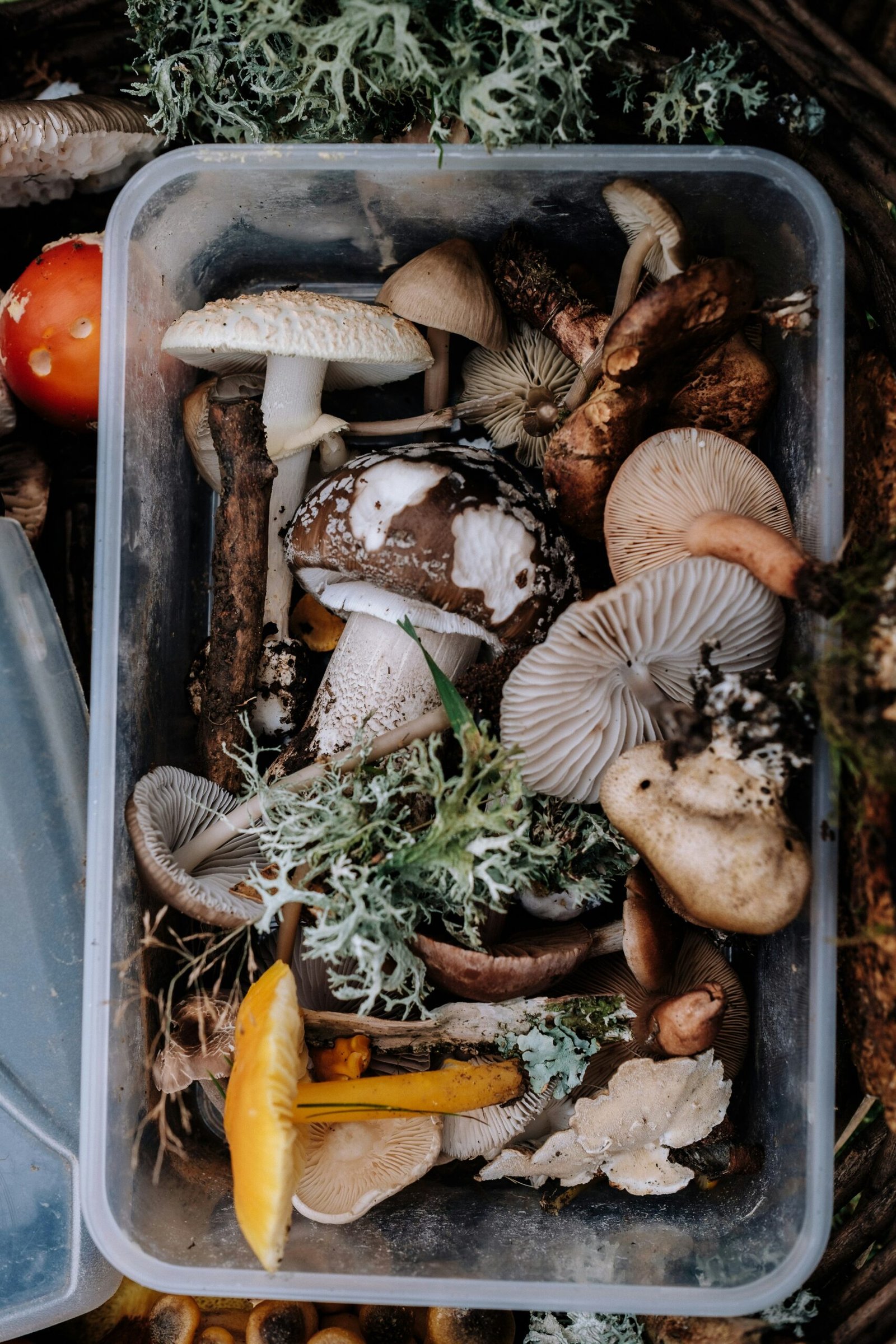
Gourmet mushrooms are one of the rare crops where a small home operation can genuinely compete with commercial growers — and where the unit economics work in your favor. A single 5-pound block of oyster mushroom substrate can produce $30–$60 worth of mushrooms over 4 weeks. Chefs pay premium prices for fresh, locally-grown specialty varieties they can’t get from their regular distributors.
This guide covers the real cost of starting a gourmet mushroom business at home, from a $200 bootstrap experiment to a serious $3,000+ operation. If you’ve already worked through our microgreens startup cost guide, the structure here is similar: three honest tiers, line-item breakdowns, and a clear-eyed look at what actually makes money.
The honest economics of home mushroom production
Before the cost tiers, the basic numbers that make this business work:
- Substrate cost per fruiting block: $3–$8 (pre-made) or $1–$3 (DIY)
- Yield per block: 1–3 lb of mushrooms over 2–4 fruiting cycles
- Wholesale price: $15–$25/lb for oyster, $25–$50/lb for specialty varieties (lion’s mane, shiitake, king trumpet)
- Farmers market price: $20–$30/lb for oyster, $40–$70/lb for specialty
The math: a $5 substrate block producing 2 lb of lion’s mane sold at $35/lb wholesale = $70 revenue per block. The labor and overhead is real, but the per-unit economics genuinely work.
Tier 1 — Bootstrap ($200–$500)
Pre-made mushroom kits, no sterilization, no spawn production. You buy ready-to-fruit substrate blocks and harvest from them. This tier exists to test demand before investing in real production.
What you need:
| Item | Cost | Notes |
|---|---|---|
| 4–8 pre-inoculated oyster mushroom grow kits | $80–$200 | Ready to fruit out of the box. North Spore, Forest Origins, Smug are reliable brands. |
| Plastic monotub or storage container with lid | $20–$40 | Fruiting chamber for higher humidity than ambient. |
| Hygrometer (humidity meter) | $10–$15 | Mushrooms fruit best at 80%+ humidity. |
| Spray bottle | $8–$15 | Multiple daily mistings. |
| Wire shelving rack | $60–$90 | Same wire rack as microgreens setups. |
| Sharp harvest knife | $10–$15 | Clean cuts extend shelf life. |
| Packaging (paper bags or clamshells) | $20–$40 | Mushrooms breathe — paper bags work better than plastic. |
| Digital scale | $15–$25 | Selling by weight requires accuracy. |
Total: roughly $225–$480.
Where to find each piece:
- Pre-inoculated oyster mushroom grow kits on Amazon → — most beginner-friendly entry point
- Lion’s mane mushroom grow kit → — higher value per kit
- Shiitake log/kit →
- Plastic monotub (large clear storage container) →
- Digital hygrometer →
- Pump pressure sprayer →
- 4-tier wire shelving rack →
- Paper mushroom bags →
Realistic capacity: 8 kits producing 2 lb each over 4 weeks = 16 lb of mushrooms per month. At $20/lb wholesale, that’s $320/month gross — close to covering the equipment cost on the first run.
This tier is purely for proving demand. You can’t scale meaningfully on pre-made kits because the per-unit cost is too high.
Tier 2 — Real production ($800–$2,000)
You make your own substrate and inoculate it with grain spawn you buy or produce. Dramatically lower per-block cost (under $2 vs $25 for pre-made), substantially higher capacity.
What changes from Tier 1:
| Item | Cost | Notes |
|---|---|---|
| Pressure cooker / canner (for sterilization) | $80–$150 | Critical for clean grain spawn. |
| Mason jars (wide-mouth quart, dozen) | $30–$50 | For grain spawn production. |
| Grain (rye berries or whole oats, 25–50 lb) | $30–$60 | The substrate for spawn. |
| Substrate bags (autoclavable, 50-pack) | $40–$80 | For fruiting block production. |
| Substrate material (straw, hardwood pellets, soybean hulls) | $40–$80 | Bulk material for fruiting blocks. |
| Liquid culture or grain spawn (multiple species) | $100–$200 | Start with 2–3 varieties to test market. |
| Still air box or HEPA filter | $40–$120 | Clean-air work space for inoculation. |
| Better fruiting chamber (Martha tent or modified shelf) | $100–$250 | Bigger and more humidity-controlled. |
| Ultrasonic humidifier | $40–$80 | Maintains 85%+ humidity without constant misting. |
Total: roughly $700–$1,400 (assuming you keep some Tier 1 equipment).
Key product picks:
- Presto 23-quart pressure canner → — workhorse pressure canner for sterilizing grain jars
- Wide-mouth quart mason jars (12-pack) →
- Organic rye berries 50 lb → — standard grain for spawn
- Mushroom substrate bags with filter patch →
- Hardwood mushroom substrate pellets →
- Still air box for mushroom cultivation →
- Ultrasonic humidifier (large) →
- Bulk grain spawn (lion’s mane, oyster, shiitake) →
For species selection, consider:
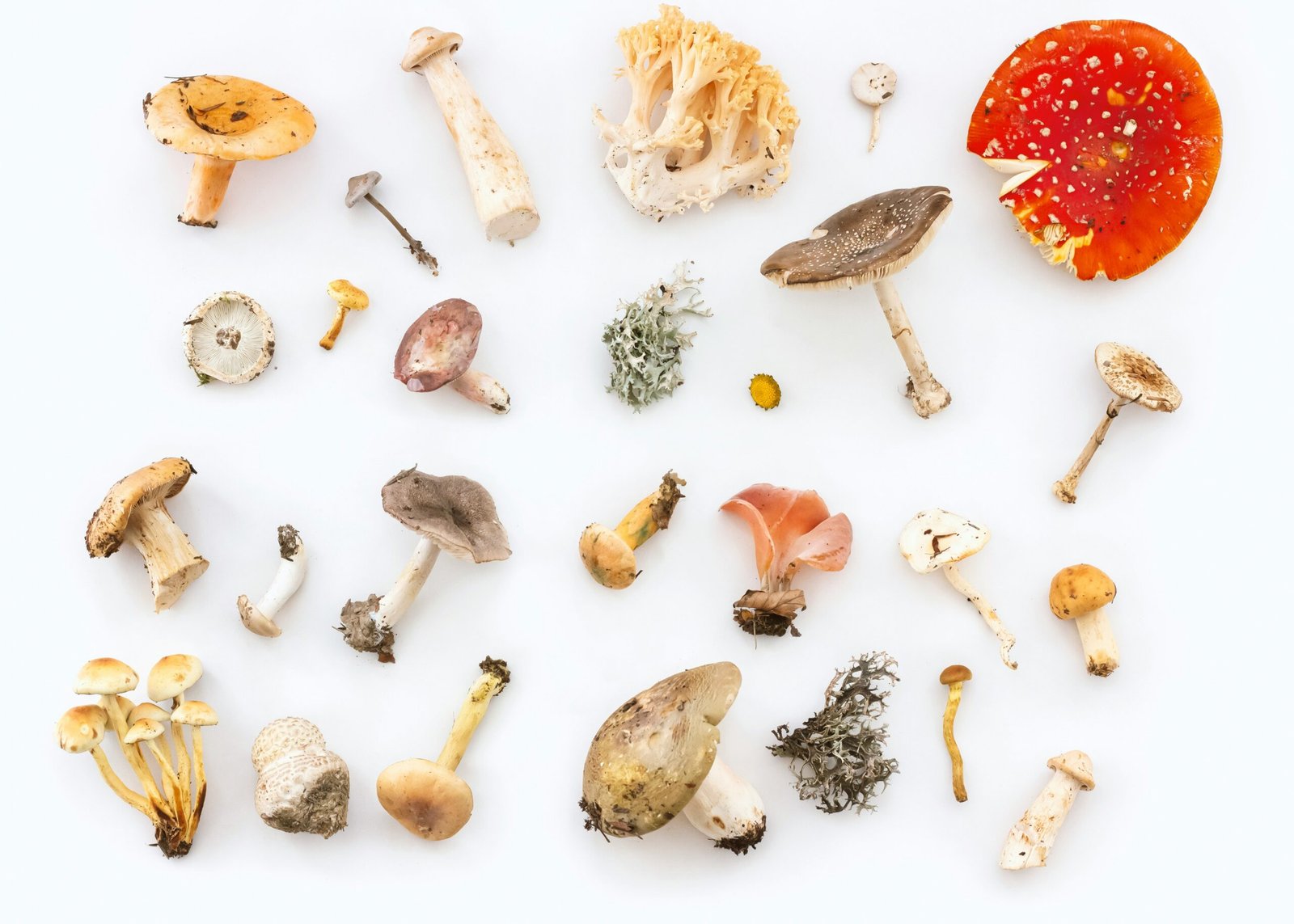
- Oyster mushrooms (blue, pearl, pink, golden) — fastest, easiest, broadest market
- Lion’s mane — high value, growing demand, slightly harder to fruit
- Pioppino — premium price, distinctive flavor
- King trumpet — substantial weight per fruit, restaurant favorite
- Shiitake — slower but premium price
Realistic capacity: 30–50 fruiting blocks per month × 2 lb yield × $20/lb = $1,200–$2,000/month gross at Tier 2. Net after substrate and overhead: $800–$1,500/month.
Tier 3 — Commercial scale ($2,500–$6,000)
Multi-species production, restaurant accounts, weekly farmers market presence, possibly small grocery distribution. 20–40 hours/week of work.
Major investments at this tier:
| Item | Cost | Notes |
|---|---|---|
| Commercial pressure cooker or small autoclave | $400–$1,200 | Larger volume, faster cycle times. |
| Climate-controlled fruiting room / multiple Martha tents | $500–$1,500 | Dedicated production space. |
| Commercial humidification system | $200–$500 | Multiple ultrasonic units or central system. |
| HEPA flow hood (for sterile work) | $300–$800 | Massive contamination reduction. |
| Bulk substrate materials (commercial quantities) | $200–$400 | Soy hulls, hardwood, straw in bulk. |
| Liquid culture library (multiple species) | $200–$400 | Self-sustaining spawn production. |
| Commercial scale + heat-sealed packaging | $300–$500 | Restaurant-ready presentation. |
| Insurance, food safety certifications | $400–$1,000 | Required for commercial sale. |
| Walk-in cooler or fridge for storage | $300–$1,500 | Mushrooms last days, not weeks. |
Total: roughly $2,800–$7,800.
Recommended products at this tier:
- All American 25qt pressure sterilizer →
- HEPA flow hood for mushroom cultivation →
- Bulk soy hull substrate →
- Commercial heat sealer →
- Commercial refrigerator (small) →
Realistic capacity: 100–200 lb of mushrooms per week × $20–$30/lb average = $2,000–$6,000/week gross. Real net income at this tier: $4,000–$12,000/month for a one-person operation.
The hidden costs nobody mentions
The equipment costs above are equipment. The real cost of operating a mushroom business includes:
Contamination losses. First-year mushroom growers lose 20–40% of substrate blocks to mold or bacterial contamination. Even at Tier 2 with a still air box, expect 10–20% loss for the first year. Budget for this.
Time per fruiting cycle. A mushroom grows over 2–4 weeks. You can’t speed it up. Plan for slow turnaround compared to microgreens (which fruit in 7–14 days).
Food safety compliance. Many states require mushroom growers to be licensed or take a wild mushroom identification course (even for cultivated species, in some jurisdictions). Check your state department of agriculture before selling commercially.
Insurance. Product liability for food sales runs $300–$600/year. Non-negotiable for restaurant accounts.
Packaging and delivery. Mushrooms are fragile and have a short shelf life. Refrigerated delivery is often required. A small insulated cooler ($30) and ice packs handle small operations; larger operations need a refrigerated car or van.
What sells best at each tier
Tier 1 (pre-made kits, small batches):
- Sell to farmers markets and home consumers
- Focus on visual variety — pink, golden, and blue oysters look unusual and sell well at farmers markets
- Don’t pursue restaurant accounts yet — supply isn’t consistent enough
Tier 2 (real production):
- Restaurant accounts become viable with weekly consistent supply
- Lion’s mane and king trumpet command premium prices
- Add 1–2 specialty varieties (pioppino, chestnut) to differentiate from competitors
Tier 3 (commercial):
- Multi-restaurant accounts, possible small grocery distribution
- Dried mushroom products (lion’s mane “crab cake” alternatives, oyster “bacon”) add high-margin secondary product lines
- Mushroom kit reselling can supplement (sell your own pre-inoculated kits to local hobbyists)
How this compares to microgreens
A common question: should you start with mushrooms or microgreens for the same niche?
- Microgreens: Faster cycle (7–14 days), easier to start, less contamination risk, lower margin per lb. See microgreens startup cost guide.
- Mushrooms: Slower cycle (3–5 weeks), more technical, higher contamination risk, higher margin per lb especially for specialty varieties.
Most successful small growers eventually run both — different cycles, different customers, different revenue streams. Start with whichever interests you most personally. The skills transfer between them.
Frequently asked questions
Can I really make $4,000/month from a home mushroom operation?
At Tier 3, yes — but with 20–40 hours per week of labor and 6–9 months of customer acquisition before you’re at full capacity.
What’s the easiest mushroom to grow?
Blue oyster mushrooms. Forgiving of imperfect technique, fast cycle, broad market appeal. Start there.
Do I need a separate room for mushroom production?
Tier 1 fits in a closet or under a counter. Tier 2 needs a dedicated 4×6 foot area. Tier 3 needs a real production room (typically a converted garage, basement, or rented small commercial space).
Is mushroom growing legal everywhere?
Cultivated gourmet varieties (oyster, lion’s mane, shiitake, king trumpet, pioppino) are legal everywhere in the US. Only certain psychoactive species are restricted — those are not what this guide covers.
What about contamination from spores in the house?
Mushroom spores are not generally a health hazard, but some people develop allergies to specific spores after prolonged exposure. Keep fruiting chambers in well-ventilated areas separate from main living spaces.
The bottom line
Skip the dream of jumping straight to Tier 3. Spend $200–$300 on Tier 1 pre-made kits, grow your first cycle, and walk samples into local restaurants. If you sell what you grow, scale to Tier 2. If you can’t, you’ve lost $300, not $5,000.
The mushroom business — like microgreens — has unit economics that genuinely work. Specialty mushrooms grown locally are something restaurants will pay premium for. The catch is the same as microgreens: growing them is the easy part. Building the customer relationships is the actual business.
For complete tools and consistent customer pipelines, also see our microgreens startup cost guide and the 7 most profitable microgreens to grow — many of the lessons transfer directly.