
How to Make a Plant Corner in a Small Apartment (Renter-Friendly Setup Guide)
Last updated: 01.06.2026.
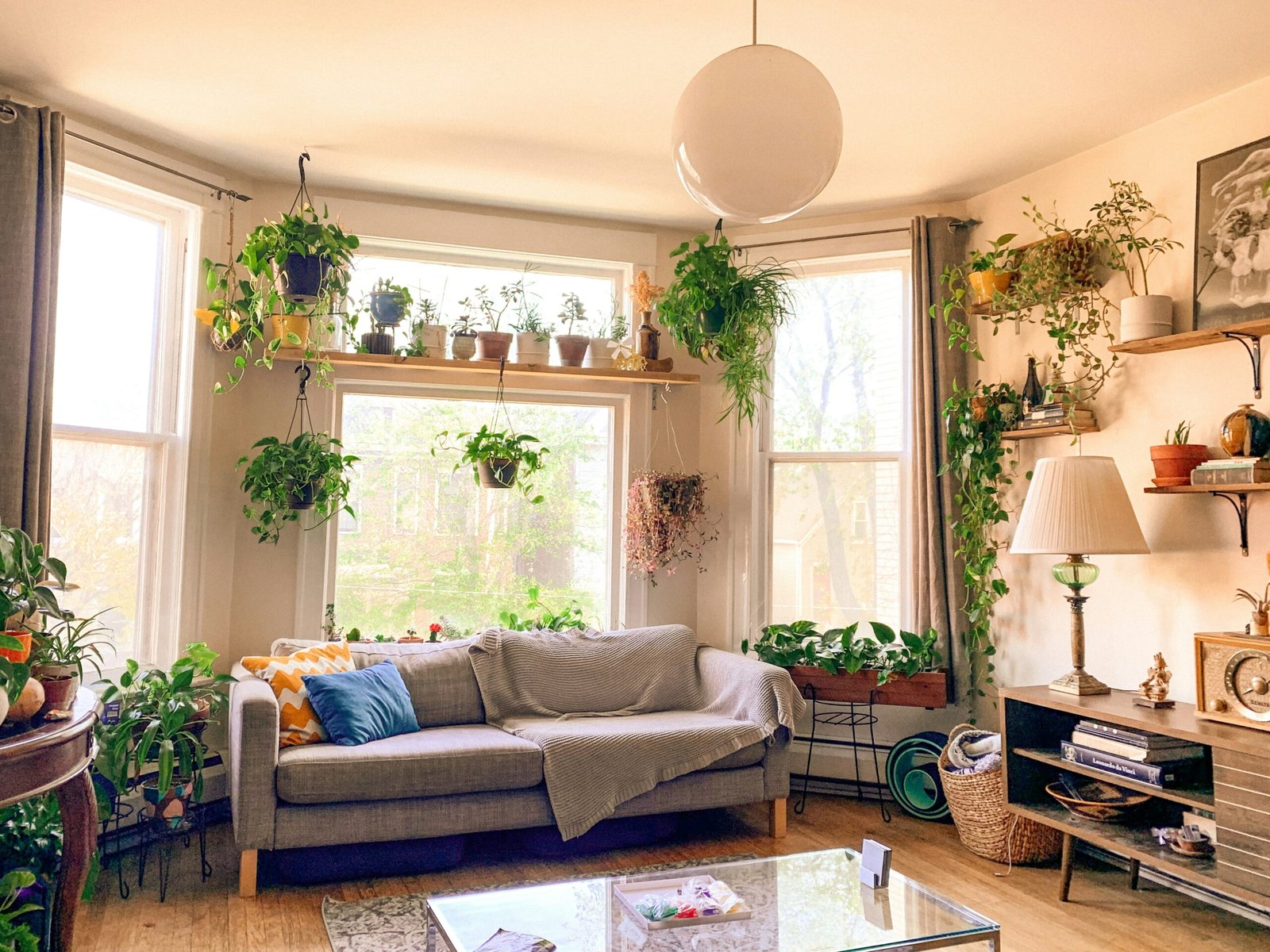
Walking past a corner of someone’s small apartment that’s been transformed into a dense, beautiful plant zone is one of the small joys of life. It looks effortless. It usually isn’t — it’s the result of a few specific decisions made on purpose.
Here’s how to build a real plant corner in a small apartment, including the renter-friendly setup (no drilling, no permanent installations) and the practical equipment to make it work. Total cost for a complete corner: $80–$250 depending on how serious you go.
What makes a plant corner work
Before getting into specifics, three principles that separate “thoughtful plant corner” from “random plants in a spot”:
Layered heights. A plant corner needs plants at multiple heights — floor level, knee level, eye level, above eye level. Single-level groupings look flat and scattered.
Visual rhythm, not chaos. 4–8 plants is the sweet spot. Fewer feels sparse; more feels cluttered. Vary leaf shapes (broad leaves + thin trailing + architectural spikes) but stay in similar color tones.
Match the light to the corner. This is the most overlooked. Pick the corner based on the light it actually has, not where you wish your plants would go. The best plant corner is one where the plants can actually thrive — not the one with the prettiest backdrop.
Pick the right corner first
Walk through your apartment. Stand in each corner at noon. Look up at the ceiling and out to whatever window is nearest. Ask:
- How much light reaches this corner? (Direct sun, bright indirect, low light, dim?)
- Is there an electrical outlet nearby? (For grow lights, fans, or future hydroponic systems.)
- Is it out of major foot traffic? (Plants in busy walkways get knocked.)
- Can I see it daily? (Plants in spaces you avoid get forgotten.)
The ideal plant corner: medium-to-bright indirect light, near an outlet, off the main walking path, visible from your couch or bed.
The wrong corner: dark, far from any window, behind furniture, in a room you barely use.
If no corner in your apartment is well-lit, you have two paths:
- Add a grow light to make a dim corner viable (see do you need a grow light and our best grow lights for apartment windows guide)
- Skip floor corner setups and use a windowsill or kitchen counter instead
The equipment list
A complete plant corner setup uses 4–6 pieces. None require drilling.
A floor-standing plant stand or shelf
This is the foundation — what gives your corner multiple levels.
Most apartment-friendly: a freestanding wooden 3-tier plant stand or a small ladder shelf. No installation, plant in plants at each tier, done.
3-tier wooden plant stand on Amazon →
5-tier ladder plant shelf on Amazon →
Cost: $40–$90.
A tall corner plant (1)
One floor plant anchors the corner visually. For studios and small spaces, pick something that stays under 3–4 feet tall — a snake plant, ZZ plant, or peace lily works well.
For specific picks suited to small apartments, see indoor plants for studio apartments.
A trailing plant for above eye level (1–2)
Trailing plants on the top shelf of your plant stand or in a hanging planter add vertical movement. Pothos, heartleaf philodendron, or string of pearls all work.
Hanging planter (tension-rod, no drilling) on Amazon →
Mid-level architectural plants (2–3)
Fill the middle tiers with plants of medium height with interesting shapes — peperomia, calathea, Chinese evergreen, or a smaller bushy fern.
Peperomia varieties on Amazon →
Calathea live plant on Amazon →
For complete easy-plant picks, see 9 easiest indoor plants for people who kill plants and easiest indoor plants to keep alive.
Pots with drainage (one per plant)
Every pot needs drainage. Standard terracotta pots with saucers in matching sizes look intentional and protect your floors.
Terracotta pots with saucers (set) on Amazon →
Floor protection
A small boot tray, cork mat, or felt pad under the stand protects hardwood or carpet from inevitable water drips.
Boot tray or rubber mat for plants on Amazon →
Optional: a small grow light
If the corner is dim, a clip-on or standing grow light keeps everything healthy. The Sansi grow bulb in a desk lamp works for a corner; for serious setup, a clip-on full-spectrum LED on the shelf itself.
Sansi grow light bulb on Amazon →
Clip-on grow light on Amazon →
For details on which grow light fits which situation, see best grow lights for apartment windows. For how many hours to run it, see how long should I leave a grow light on.
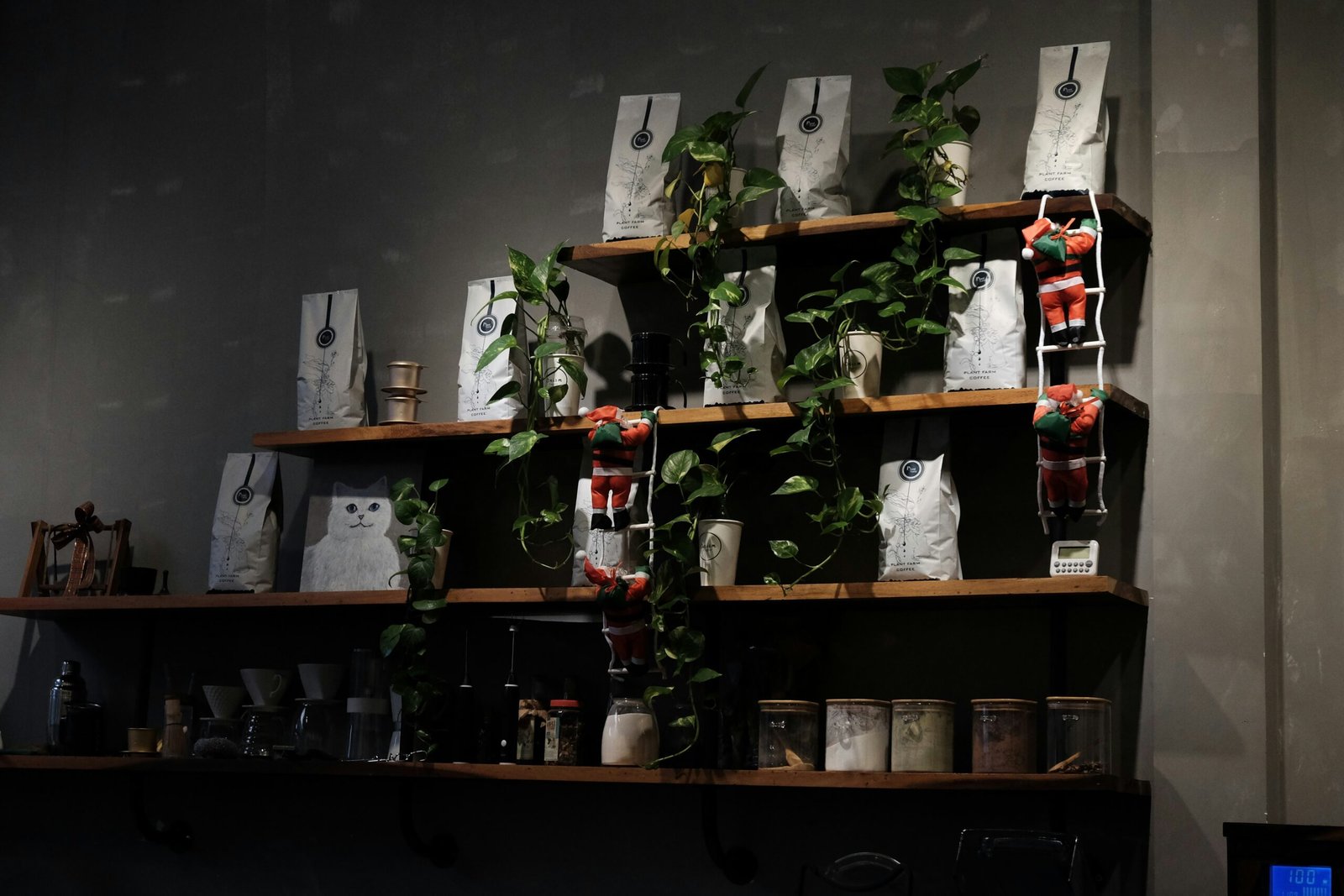
A complete corner setup, step by step
For a typical small apartment corner — let’s say 4×4 feet of available space with medium indirect light:
Step 1. Place a 3-tier wooden plant stand against the corner walls. Put a rubber boot tray or felt pads under it to protect the floor.
Step 2. On the floor next to the stand, place one tall anchor plant — a snake plant or ZZ plant in a terracotta pot. This is your largest plant.
Step 3. On the bottom tier of the stand, place a bushy medium plant — a peperomia or Chinese evergreen.
Step 4. On the middle tier, place 1–2 plants with interesting shapes — a calathea or a heartleaf philodendron in a small hanging-stem position.
Step 5. On the top tier, place a trailing plant — pothos or string of hearts — so its vines drape down.
Step 6. If the corner is dim, add a clip-on grow light on the side of the top tier of the stand, pointed downward.
Step 7. Add a small smart plug timer for the grow light. Set it to run 12 hours per day.
Total plants: 5–6. Total cost (stand + plants + pots + lighting): $120–$220 depending on plant choices.
What NOT to do
A few mistakes that ruin plant corners:
Don’t put it where you don’t go. Spare bedrooms and unused dining nooks become plant graveyards. Put the corner where you’ll see it daily.
Don’t pick a corner without an outlet nearby. You’ll likely want a grow light, a fan for air circulation, or eventually a hydroponic system. Extension cords are ugly.
Don’t skip floor protection. A $25 boot tray prevents an $800 carpet replacement when you eventually overwater.
Don’t over-plant. A 4×4 corner looks great with 5–6 plants. Cramming 12 in there looks chaotic.
Don’t pick a corner with afternoon direct sun if your plants are low-light tolerant. Sun-loving plants in a low-light corner will struggle. Match the plants to the actual conditions.
Renter-specific considerations
The setup above is intentionally renter-friendly: no drilling, no installation, everything freestanding. A few extra tips for renters:
Use freestanding stands rather than wall shelves. They move with you and don’t require landlord approval.
Use a tension-rod planter holder if you want hanging plants — wedges between the window frame or two walls without permanent mounting.
Document the floor condition before placing heavy plants. Take photos under the stand area when you set it up so you can prove pre-existing condition if you move.
For more renter-specific tips, see indoor gardening for renters.
Expanding the corner over time
A plant corner is meant to grow with you. Some natural expansion paths:
Add a second corner in another room. Bathrooms make excellent plant corners — see houseplants that love bathroom humidity.
Add a vertical garden system for serious capacity in the same square footage. See best indoor vertical garden systems.
Add a countertop herb garden to your kitchen as a “plant zone 2.” See best small indoor herb garden kits.
Convert a windowsill in a different room into a smaller plant moment.
The pattern that works: one strong plant corner first, then add a second once the first is established. Don’t try to do every room at once.
Frequently asked questions
How long does it take to set up a plant corner?
The physical setup (stand, plants, pots) takes about 2 hours. Watching it mature into a full plant corner — where plants are healthy and visibly thriving — takes 2–4 months.
Can I do this in a corner with no natural light at all?
Yes, with a grow light. See do you need a grow light for whether this applies to you.
What if I only have $50?
Get a 3-tier metal wire shelf ($25) and three small easy plants in terracotta pots ($25 total). Skip the grow light and trailing plant. You can add those later.
Will pets bother the corner?
Cats sometimes chew houseplants. Use pet-safe plants if you have a chewer (spider plant, peperomia, prayer plant are all safe).
Can I put a plant corner in a humid bathroom?
Yes, and humid bathrooms are actually one of the best apartment locations for plants — see bathroom plants guide.
The bottom line
A plant corner in a small apartment isn’t about having a lot of plants. It’s about choosing the right 5–6 plants, placing them at different heights, picking a corner with workable light, and protecting your floors.
Start with one corner. Don’t try to plant every room. Once your first corner is thriving (3–4 months in), then expand.
For more on apartment-friendly plant strategies, see our companion guides on indoor gardening for renters, indoor plants for studio apartments, and indoor gardening for absolute beginners.