
Do You Need a Grow Light for Your Indoor Plants? An Honest Look
Last updated: 30.05.2026.
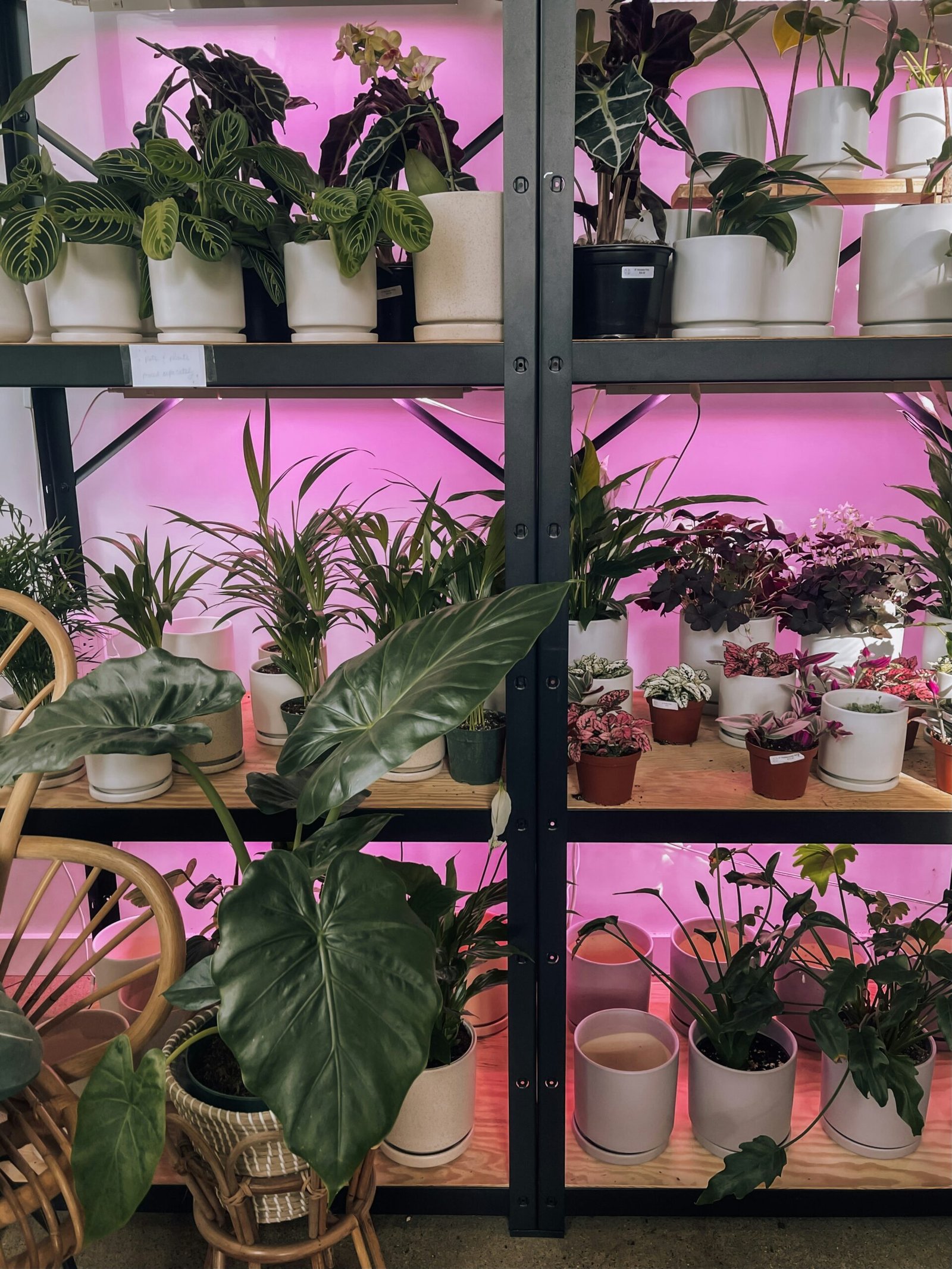
The honest answer to “do I need a grow light?” is the most useful kind of answer: it depends.
Specifically, it depends on three things — what plant you have, where you’re putting it, and what you’re trying to achieve with it. Below is a simple framework that tells you whether you need a grow light or whether you can skip the purchase entirely.
The 30-second answer
You probably need a grow light if:
- Your apartment has only north-facing windows or genuinely dim rooms
- You want to grow herbs, vegetables, or flowering plants
- You want to grow plants in a windowless space (basement, interior bathroom, closet)
- Your current houseplants are slowly declining despite proper watering
You probably don’t need a grow light if:
- You have a south-, east-, or west-facing window with hours of indirect light
- You’re growing easy plants like pothos, snake plant, or ZZ plant
- You only want a couple of low-maintenance plants
If you’re somewhere in the middle, keep reading.
The honest light test for your apartment
The single most useful thing you can do before buying a grow light is honestly test how much natural light each room in your apartment actually gets.
Stand in the spot where you want to put a plant. At noon, on a normal day, can you:
- Read a book without turning on a lamp? That’s medium indirect light. Most easy houseplants thrive here. No grow light needed.
- Read with some effort, but a lamp would help? That’s low light. Snake plants and ZZ plants survive without supplemental light; everything else benefits from a grow light.
- Need a lamp to read? That’s very low light. Add a grow light for any plant you want to actually grow (not just survive).
- Completely dark, no windows? No plant will live here without artificial light. Grow light required.
The mistake most beginners make is overestimating their light. A “bright” north-facing apartment can be much dimmer than it feels, especially in winter.
Plant-by-plant — who needs light help?
Different plants have different light demands. Here’s a quick reference.
Don’t need a grow light in most apartments (these tolerate low light):
- Snake plant
- ZZ plant
- Cast iron plant
- Pothos (will survive but grows much better with more light)
Our complete easy-plant list with light requirements is in 9 easiest indoor plants for people who kill plants.
Need bright indirect light, may benefit from a grow light in dim spaces:
- Heartleaf philodendron
- Spider plant
- Chinese evergreen
- Peperomia
- Most ferns (especially in winter)
Need significant light, usually require a grow light in apartments:
- All fresh herbs (basil, mint, parsley, etc.)
- Microgreens
- Most flowering houseplants
- Fiddle-leaf fig and other tropical “Instagram” plants
- Vegetables grown indoors
- Calathea and other rainforest plants
For herbs specifically, you have two paths: a countertop hydroponic system with built-in light (no separate grow light needed) or grow lights over soil pots. We compare these approaches in how to grow herbs indoors without sunlight.
When a grow light is absolutely the right answer
A few specific situations where a grow light makes a transformative difference:
A north-facing apartment. North-facing windows in the northern hemisphere get almost no direct sunlight. Many plants slowly decline without supplemental light. A single $30 grow bulb in an existing lamp dramatically extends what you can grow.
A windowless bathroom you want to make into a plant space. Bathrooms have great humidity but often no natural light. A grow light unlocks it. Our bathroom plants guide covers which plants thrive in humid bathroom conditions with supplemental light.
Winter in any climate that gets cold and dark. Even bright apartments lose 40–60% of their daylight from October through March. Many plants slowly weaken over winter without supplemental light. A grow light running 8–10 hours during winter daylight hours keeps plants healthy year-round.
Growing herbs you’ll actually cook with. Fresh herbs require significant light to produce flavorful, dense growth. Without enough light, basil and parsley become “leggy” — pale, thin, weak-flavored. A grow light or a dedicated hydroponic system solves this entirely.
Seedlings or propagations. Starting seeds or rooting cuttings benefits enormously from grow lights. The extra light produces stronger, more compact young plants.
When you don’t need a grow light
Equally important — when buying one is unnecessary:
You have a sunny window. South- or west-facing windows getting hours of direct sunlight need no supplemental light for most houseplants. Even east-facing windows with morning sun are fine for most easy plants.
You only have low-light tolerant plants. Snake plants, ZZ plants, and cast iron plants genuinely thrive in low light. Adding a grow light to them is overkill.
You’re growing on a balcony or patio. Outdoor light is dramatically stronger than indoor light. Grow lights add nothing useful outdoors.
The plant has been thriving for months. If your plant is growing well without a grow light, it’s getting enough light. Don’t add complexity for no reason.
How much does a grow light actually cost?
Grow lights have become genuinely affordable in the past few years. Realistic ranges:
- Basic bulb in an existing lamp: $25–$40 (Sansi 36W grow light bulb →)
- Clip-on grow light: $25–$50 (clip-on full spectrum grow light →)
- LED grow light panel for a small shelf: $80–$130 (Mars Hydro TS 600 → or Spider Farmer SF-1000 →)
- Premium designer pendant grow light: $200–$300 (Soltech Aspect pendant →)
For most apartments adding a grow light for one plant, a $30 bulb in an existing desk lamp is genuinely all you need. Save the $200 panels for serious growing operations.
For complete picks across budgets and use cases, see our best grow lights for apartment windows guide.
The hidden benefit of getting a grow light
Beyond keeping individual plants alive, having a grow light dramatically opens up what you can grow. Suddenly you can:
- Grow herbs in any room, not just on windowsills
- Keep plants healthy through winter
- Try plants that would normally die in your apartment (calatheas, ferns, orchids)
- Start seeds indoors months before outdoor growing season
- Run a small indoor herb production setup year-round
If you’ve been limited to “easy houseplants in indirect light” up to now, a grow light expands what’s possible by a lot. Worth knowing before you decide it’s unnecessary.
Frequently asked questions
Can I use a regular LED bulb as a grow light?
Sort of. Regular LED bulbs produce some usable light for plants, but the spectrum isn’t optimized — plants will grow slowly and weakly. Spend $25 on an actual grow light bulb instead. It’s almost the same price as a regular bulb and works much better.
Will the grow light hurt my eyes or look weird in the room?
Modern full-spectrum LEDs produce warm or neutral white light that looks normal — not the harsh purple “blurple” of older grow lights. Choose products labeled “full spectrum” specifically.
Will it raise my electricity bill noticeably?
No. A typical 30–100W grow light running 14 hours a day adds about $2–$8 per month to your bill.
Can I leave it on while I’m at work?
Yes — that’s actually the best practice. Use a timer to run the light during your work hours so it’s not in your face when you’re home.
What if I bought a plant that needs more light than I can give it?
You have two options: buy a grow light, or accept that the plant will eventually decline and consider returning it / replacing it with something more suited to your space. The plant won’t magically adapt — light is the one variable plants can’t compensate for.
The bottom line
If you have a sunny window and grow easy plants: You don’t need a grow light.
If you have dim rooms or want to grow herbs, vegetables, or finicky plants: A $30 grow light bulb in an existing lamp is one of the highest-impact upgrades you can make to your indoor garden.
For most beginners on the fence, the answer is to buy one cheap grow light bulb, try it, and see. The investment is small ($25–$40), the upside is huge (plants you couldn’t keep alive suddenly thrive), and the downside is just having an extra light bulb you can return.
If you’re ready to look at specific products, the best grow lights for apartment windows guide has picks at every budget. And once you have a grow light, how long to leave it on walks through the right hours per day for every plant type.