
How to Sell Microgreens to Restaurants (What Chefs Actually Want)
Last updated: 02.06.2026.
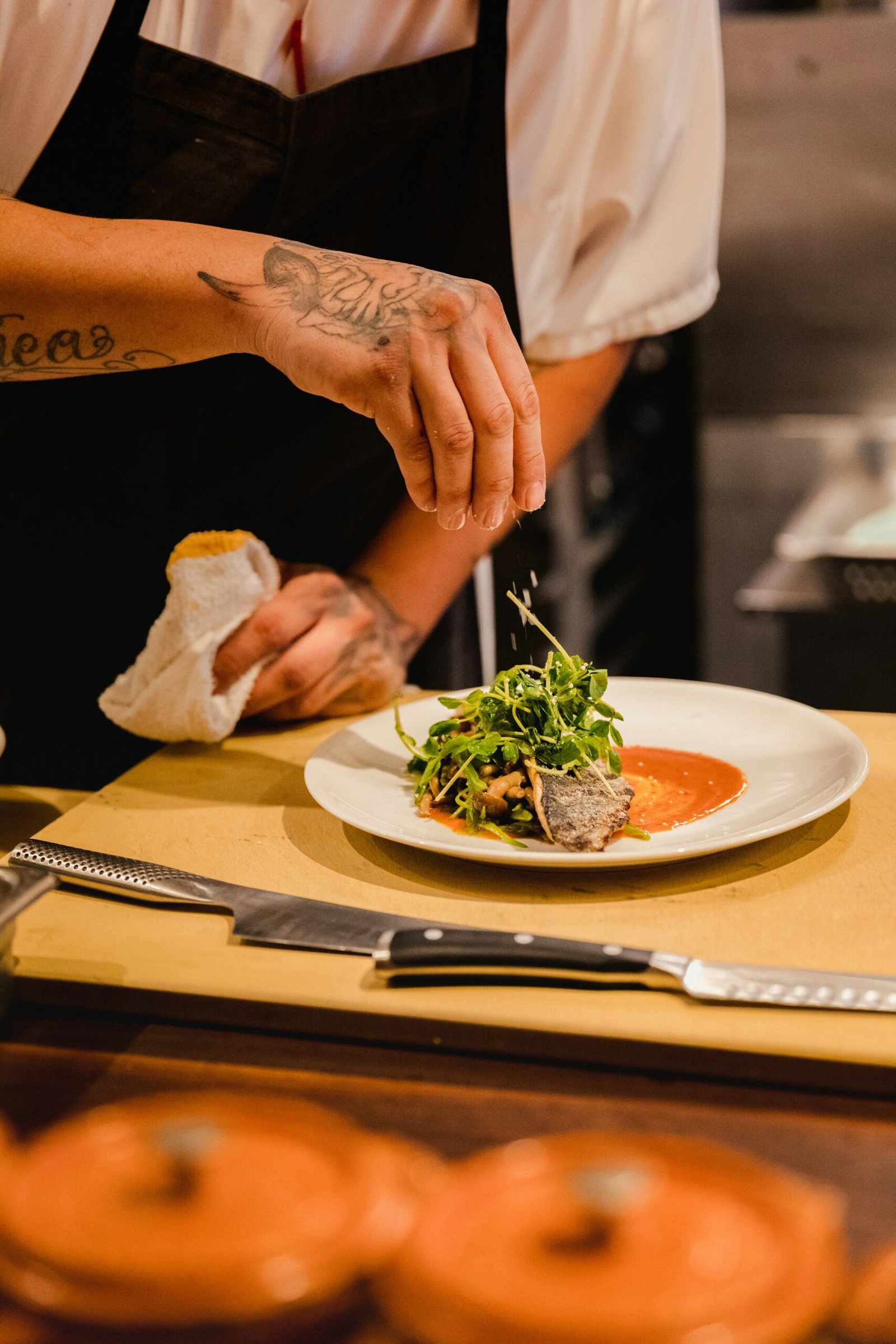
The first restaurant I walked into, I brought a sad ziplock bag of pea shoots and asked for the manager. The manager was not there. The chef was, and he looked at the bag the way you’d look at a wet sock. I left with nothing.
The second time I did it right, and I walked out with a standing weekly order. Restaurants are the best customer a small microgreens grower can have — predictable, repeat, paid by invoice — but landing one is a specific skill, and almost nobody explains it. So here’s the whole thing: who to pitch, how to pitch, what to charge, and what to grow.
That last part matters most, so I’ll say it up front: don’t walk in growing whatever’s easy. Walk in growing what chefs pay for. My full breakdown of which microgreens actually make money is the homework to do before you knock on a single kitchen door.
Which restaurants to actually target
Not every restaurant uses microgreens, and pitching the wrong ones wastes your week.
Yes: independent fine-dining spots, farm-to-table places, upscale bistros, hotel restaurants, and busy brunch cafés (avocado toast eats a lot of pea shoots). These plate by appearance and care about fresh and local.
No, or rarely: chains (purchasing is centralized — you’ll never reach the decision-maker), fast-casual, and most pizza/pub kitchens. Don’t waste the gas.
The decision-maker is the head chef or sous chef, never the front-of-house manager. Aim for a Brooklyn bistro, a Manchester gastropub doing a tasting menu, a Berlin farm-to-table spot in a converted Altbau — independent, chef-led, presentation-driven. Drive or walk past, look at the plates on their Instagram. If the food is already garnished and styled, they’re a candidate.
Timing is everything — don’t show up at 7 p.m.
I cannot stress this enough. Walking into a kitchen during service is how you get remembered as the person who got in the way. Chefs are slammed from roughly 11:30–2 and 5:30 onward.
The window that works: 2:30–4:30 p.m. on a Tuesday, Wednesday, or Thursday. Prep is winding down, dinner hasn’t started, and the chef can actually talk for three minutes. Mondays many kitchens are closed; weekends are chaos. Show up mid-afternoon, midweek, and you’ve already done better than most.
The pitch: bring product, not a pamphlet
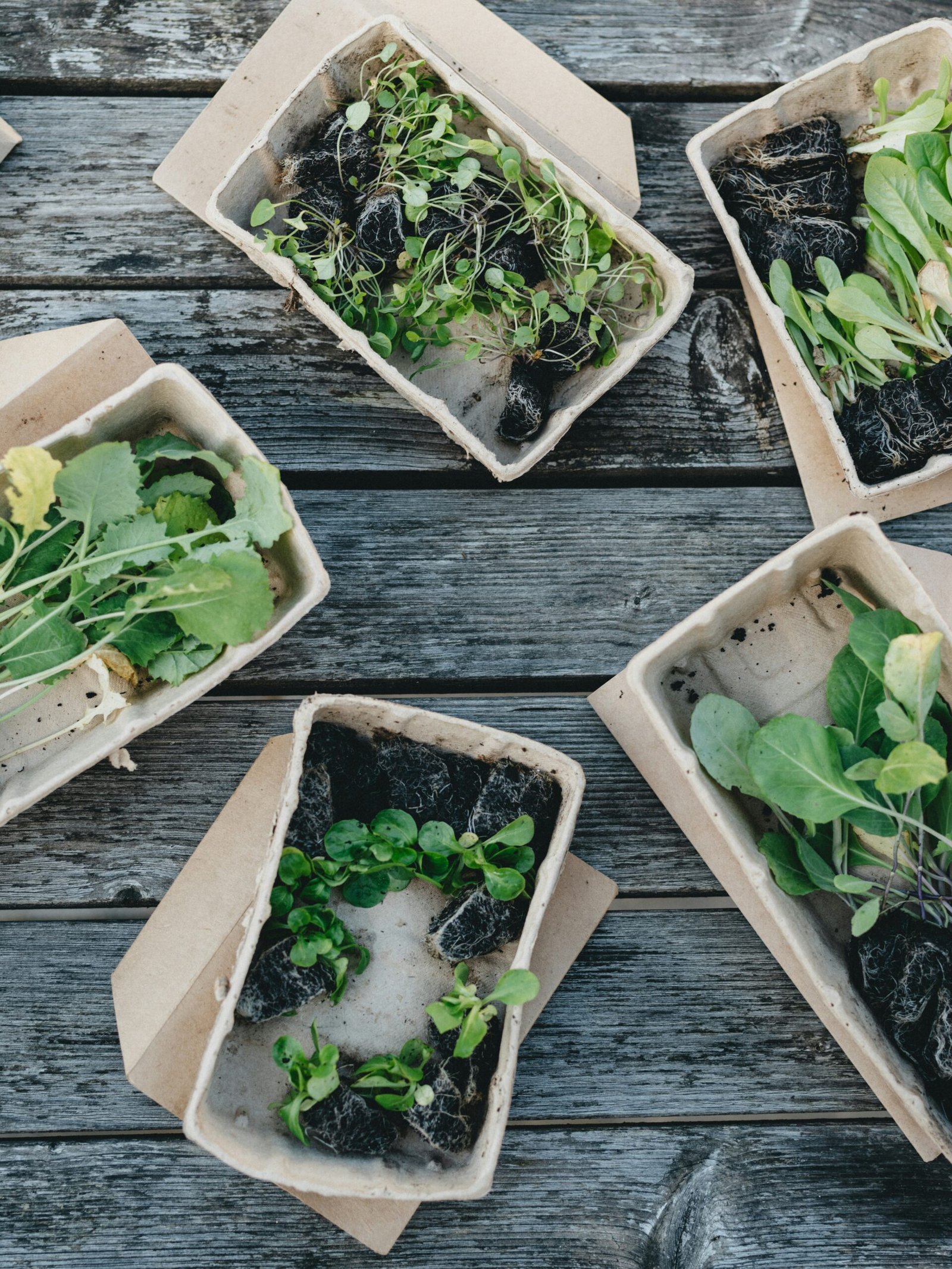
Forget the sales speech. Bring fresh samples in a clean clamshell — three or four varieties, labeled, looking alive. A chef decides with their eyes and their fingers. Let them taste. The smell of fresh-cut cilantro (coriander, for UK kitchens) does the selling.
What to say, short version: who you are, that you grow locally, that you can deliver weekly on a set day, and “what would you actually use?” Then shut up and let them talk. The best thing you can do is ask which varieties they want rather than pushing what you have. If they ask for something you don’t grow yet — grow it. That’s literally the job, and it’s why knowing the varieties that sell to restaurants before you pitch lets you say “yes, I can do that” instead of “um.”
What to charge a restaurant
Restaurant (wholesale) pricing sits below farmers-market retail but the volume and consistency more than make up for it. Typical ranges:
- Common varieties (pea, radish, sunflower, broccoli): roughly $20–30 per pound in the US, £16–24 in the UK, €19–28 in Germany.
- Premium/specialty (cilantro, basil, amaranth, wasabi mustard): $30–50/lb ($30–50 ≈ £24–40 ≈ €28–47).
Most chefs buy by weight or by the tray. Decide your minimum order so a delivery is worth the drive — I don’t get out of the car for less than $40 (£32 / €37). Price the premium varieties higher on purpose; they’re the ones with margin, which is exactly why the profitability breakdown is worth memorizing before you set a price sheet.
A simple one-page price list — varieties, price per unit, delivery day, your number — printed on a waterproof label or cardstock (nofollow, sponsored) and left with the chef closes more deals than any app.
Delivery and keeping the account
Landing the order is half of it. Keeping it is consistency.
Pick one delivery day per restaurant and never miss it. Chefs build their prep around supply they can count on. Deliver in clean, clearly labeled clamshell containers (nofollow, sponsored) with the harvest date on them, and keep everything cool in transit — a cheap insulated cooler bag (nofollow, sponsored) in the car is enough. Show up on time, every week, and you’ve got an account that pays for itself for years.
Invoice cleanly. Most restaurants pay weekly or biweekly; some want net-30 terms. Keep it simple, send the invoice the same day you deliver.
Scaling from one chef to several
One restaurant rarely covers your costs. The model works when you stack a few accounts on one delivery route.
Once your first chef is happy, ask for a referral — chefs talk to other chefs, and a warm intro beats a cold walk-in every time. As orders grow, you’ll outgrow a windowsill fast; that’s when the scaling-equipment upgrade path matters, and where running the numbers in the startup cost breakdown keeps you from over-buying. And if you want a second sales channel on the side, a farmers market stall moves your overflow and finds new chefs who shop there on weekends.
The throughline of all of it: grow the varieties that actually sell, deliver them on time, and be the easy, reliable supplier. Chefs don’t switch away from easy and reliable. That’s the whole business.
A quick note on the legal bit
Selling to restaurants usually means you’re a registered food business. In the US that’s cottage food law (state by state) plus general FDA food-safety basics; UK growers register with their local council under Food Standards Agency rules; in Germany it’s your local Lebensmittelüberwachung, with the BLE over agriculture. Sort it before you invoice your first chef — some restaurants will ask for proof.