How to Clean Houseplant Leaves (and Why It Actually Matters)
Last updated: 05.07.2026.
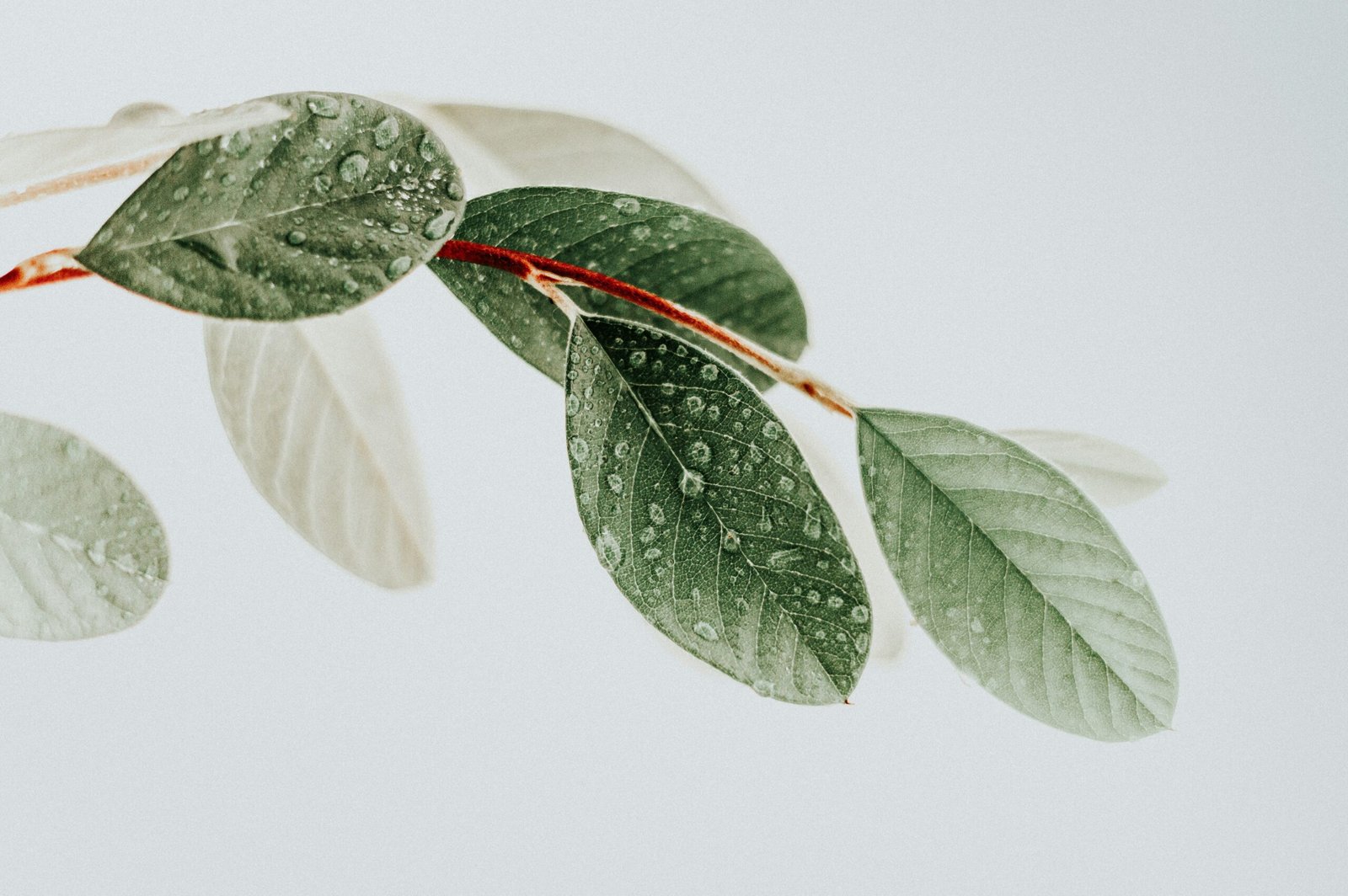
Cleaning your plants’ leaves sounds like the kind of fussy, optional thing only obsessive plant people do. It is not. It is one of the most underrated, genuinely useful bits of plant care there is, and most people never do it. A thin film of household dust on a leaf is not just cosmetic. It is quietly blocking the light your plant needs to live.
Start here: For a complete overview, see our Indoor Gardening for Absolute Beginners.
Here is why it matters, how to do it properly for different kinds of leaves, and how often. It takes a few minutes and your plants will be visibly healthier for it.
Why dusty leaves are a real problem
Leaves are how a plant makes food. They capture light and turn it into energy through photosynthesis. When a layer of dust settles on a leaf, it physically blocks some of that light from reaching the leaf surface, like a dirty window. The plant gets less usable light, and for an indoor plant already living in lower light than it would like, that matters.
Dust also clogs the tiny pores (stomata) the leaf breathes through, and a dusty leaf is a more inviting home for pests like spider mites, which love dry, dusty conditions. So cleaning leaves improves light intake, lets the plant breathe, and helps you spot pests early. It is genuinely one of the highest-value, lowest-effort things you can do, especially for plants in a dim spot where every bit of light counts (the low-light plants benefit most).
The basic method for most plants
For typical smooth or glossy leaves (pothos, philodendron, monstera, rubber plant, snake plant), cleaning is simple:
Wipe each leaf with a damp, soft cloth. Support the leaf from underneath with one hand, and gently wipe the top surface with a damp microfiber cloth in the other. Plain water is all you need. Do the undersides too when you can, since that is where dust and pests hide. That is the whole method for most plants.
For lots of small leaves at once, or a very dusty plant, the shower method is faster: put the plant in the shower or sink and rinse it with lukewarm (never cold or hot) water at gentle pressure, letting it drain fully before returning it to its spot. This rinses dust off dozens of leaves in one go.
Different leaves, different methods
Not every leaf gets wiped the same way:
Fuzzy or textured leaves (African violet, some begonias, anything with hairy leaves) should NOT be wiped with a wet cloth, because the moisture gets trapped in the fuzz and causes spots or rot. Use a soft dry brush instead, like a clean soft makeup or paint brush, to gently dust them off.
Cacti and succulents rarely need much, but a soft dry brush clears dust from spines and crevices without wetting them.
Delicate thin leaves (ferns, calatheas) are easiest cleaned with a gentle lukewarm rinse rather than rubbing, which can tear them.
Large glossy statement leaves (fiddle-leaf fig, rubber plant, monstera) are the ones that show dust most and benefit most from a regular wipe with a damp cloth. They look transformed afterward.
Skip the leaf shine products
A quick warning: avoid commercial “leaf shine” sprays and the old tricks of wiping leaves with milk, mayonnaise, or oil to make them glossy. These can clog the leaf pores, attract more dust, and actually harm the plant by interfering with how the leaf breathes. Plain water and a soft cloth give you a natural, healthy shine without any of the downsides. If you want extra shine on a glossy leaf, a tiny bit of diluted lemon juice or just clean water buffed with a dry cloth is plenty.
Related guides and tools
How often to clean
You do not need to do this constantly:
- Glossy, large-leaved plants: wipe every 2 to 4 weeks, or whenever you can see dust.
- Most other plants: every month or two, or a rinse in the shower when they look dull.
- A quick check at watering time: glance at the leaves when you water, and wipe any that look dusty. Folding it into your watering routine means it never becomes a chore.
A good habit: clean leaves are also the best time to inspect for pests. While you wipe, you are checking the undersides and crevices where mealybugs, spider mites, and fungus gnats start. Catching them early during a routine wipe saves a lot of trouble later.
Cleaning leaves is the small, almost invisible bit of plant care that quietly makes everything else work better. More light reaches the leaf, the plant breathes easier, pests get spotted sooner, and your plants simply look better. A damp cloth and a few minutes every few weeks is all it takes, and it is one of the easiest ways to keep indoor plants genuinely thriving rather than just surviving.