Edible Flowers for Profit: The Overlooked Crop Most Home Growers Miss
Last updated: 30.05.2026.
Affiliate disclosure: As an Amazon Associate I earn from qualifying purchases. Links marked “paid link” may earn Fern & Shelf a commission at no extra cost to you. Read our full Affiliate Disclosure.
Start here: For a complete overview, see our How to Start a Microgreens Business.
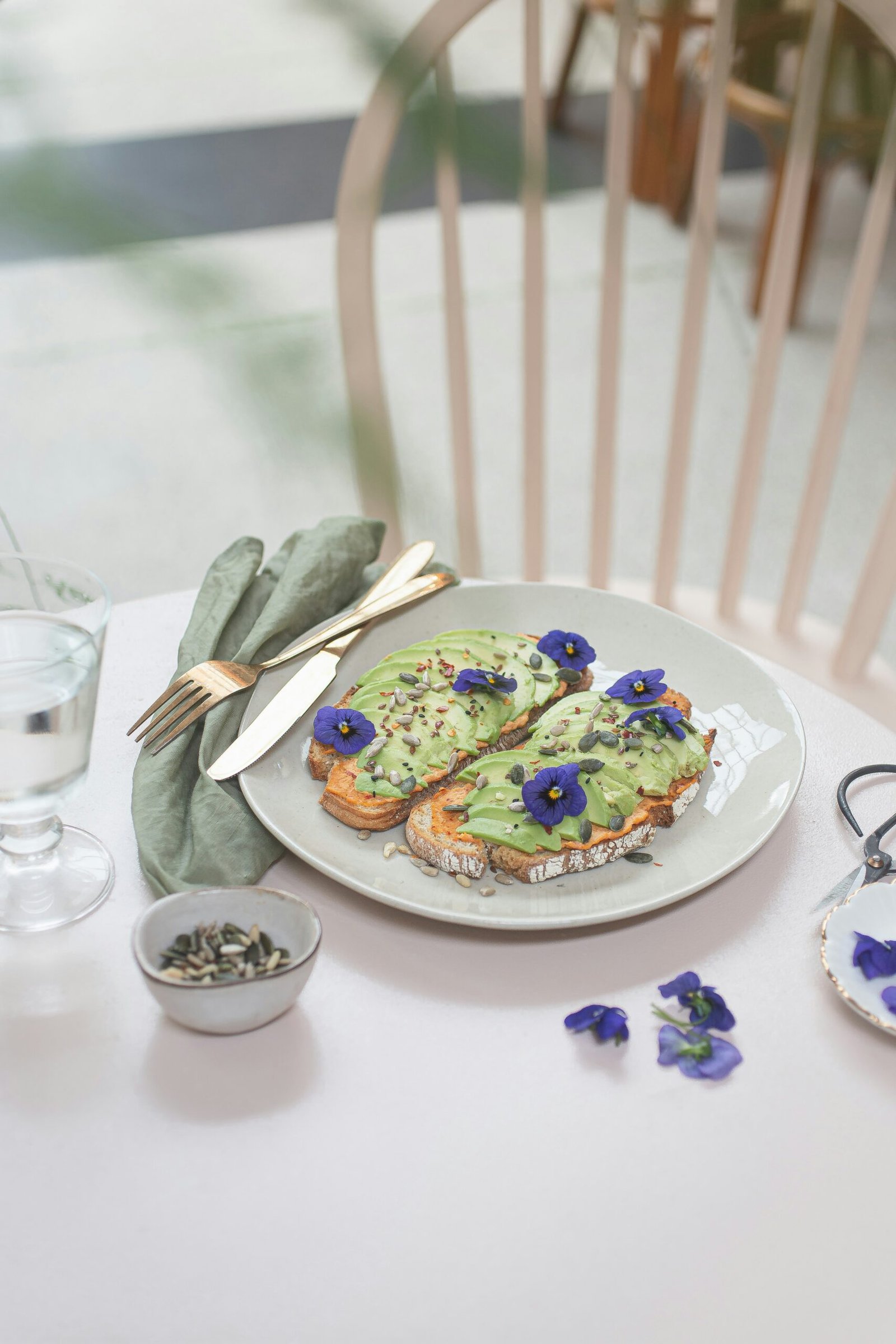
While everyone obsesses over microgreens and mushrooms, edible flowers sit quietly as one of the highest-margin, lowest-competition home crops you can grow. A small clamshell of mixed flowers wholesales for $8–$15, takes ten minutes to harvest, and is grown from seeds that cost pennies.
The catch — and the reason most home growers ignore them — is that there’s no established YouTube influencer telling everyone how to do this. The market is real, the margins are excellent, and almost nobody is filling it. If you’ve already built customer relationships through microgreens, edible flowers are the easiest add-on product line you can introduce.
This guide covers what to grow, what equipment you need, who buys them, and the honest economics of running a small edible flower operation alongside or instead of microgreens.
The economics of edible flowers (real numbers)
The unit economics here are genuinely better than microgreens:
- Seed cost per plant: $0.05–$0.30
- Plants per square foot: 2–4 (most varieties)
- Flowers produced per plant per week: 5–25 (continuous bloomers)
- Wholesale price: $40–$80/lb (typical 1 oz = $2.50–$5)
- Retail price (farmers markets, 1oz clamshell): $6–$15
A single 2×4 foot growing area can produce $40–$80 of edible flowers per week at peak season. With minimal equipment investment.
The challenge is that edible flowers are perishable (3–7 day shelf life) and require specific customers — not every restaurant uses them. The market exists, but it’s narrower than microgreens.
Who actually buys edible flowers
Five customer types reliably pay for edible flowers:
- Fine dining restaurants — for garnish on desserts, salads, and signature plates. Pay $5–$10 per ounce.
- Cake decorators and pastry chefs — for elaborate wedding cakes and specialty desserts. Often pay premium for specific colors.
- Cocktail bars (high-end) — for craft cocktails. Borage flowers, nasturtium, and edible lavender are especially popular.
- Caterers — for high-end events where presentation matters.
- Farmers market consumers — for home cooking and dessert decoration. Smaller volume but higher per-unit price.
Restaurants and bakers are the easiest accounts to build. Cocktail bars and caterers are higher margin but require more outreach.
The 8 most profitable edible flowers to grow
These are the varieties that consistently sell, are easy to grow, and produce reliable harvests over a long season.
1. Nasturtium
Price: $5–$8/oz wholesale, $8–$12/oz retail.
Why it sells: Peppery flavor, vibrant colors (orange, yellow, red), both flowers and leaves are edible. Chefs love the dual use.
Growing: Easy. Grows in pots or beds. Continuous bloomer all season.
- Nasturtium seeds on Amazon → (paid link)
- Variety pack of nasturtium → (paid link)
2. Calendula (pot marigold)
Price: $4–$7/oz wholesale, $7–$10/oz retail.
Why it sells: Bright orange and yellow petals are versatile — used in salads, soups, and as cake decoration. Long-lasting after harvest.
Growing: Extremely easy. Cold-tolerant, blooms continuously.
- Calendula seeds on Amazon → (paid link)
- Organic calendula seeds → (paid link)
3. Borage
Price: $6–$10/oz wholesale, $10–$15/oz retail.
Why it sells: Stunning sky-blue star-shaped flowers. Light cucumber flavor. Bartenders pay premium for craft cocktails. Cake decorators love the color.
Growing: Easy. Self-seeds aggressively, so once you grow it, you have it forever.
- Borage seeds on Amazon → (paid link)
4. Pansies and violas
Price: $7–$12/oz wholesale, $12–$18/oz retail.
Why it sells: Most recognizable edible flower. Wide color range. Sweet to neutral flavor. Universally used in cake decoration and fine dining garnish.
Growing: Easy in cool seasons, struggles in heat. Best as cool-weather crop.
- Viola seeds Johnny Jump Up → (paid link)
- Edible pansy seeds mix → (paid link)
5. Marigolds (signet variety only)
Price: $5–$8/oz wholesale.
Why it sells: Only signet marigolds (Tagetes tenuifolia) are edible. Bright orange and yellow, citrus flavor. Visually striking.
Growing: Heat-loving, fills the summer slot when pansies struggle. Continuous bloomer.
- Signet marigold seeds (edible) → (paid link)
6. Lavender (culinary variety)
Price: $10–$20/oz wholesale (highest on this list).
Why it sells: Distinctive flavor for desserts, cocktails, and infused syrups. Premium price commands respect.
Growing: Slower to establish than other varieties — perennial, takes a year to first harvest. Once established, produces for years.
- Culinary lavender seeds (Munstead) → (paid link)
- Lavender starter plants → (paid link)
7. Chamomile (German variety)
Price: $6–$12/oz wholesale.
Why it sells: Used fresh for cocktails and dried for tea blends. Apple-like flavor. Niche but loyal customer base.
Growing: Easy. Self-seeds. Continuous bloomer.
- German chamomile seeds → (paid link)
8. Bachelor’s buttons (cornflower)
Price: $5–$9/oz wholesale.
Why it sells: Deep electric blue color, hard to find naturally in food. Cake decorators specifically request this.
Growing: Easy. Blooms continuously through summer.
- Cornflower bachelor’s buttons seeds → (paid link)
The equipment you actually need
Edible flowers can be grown in any of three setups, depending on your space and budget.
Setup A — Windowsill / small balcony ($60–$150)
Grow in 6–8 inch terracotta pots on a sunny windowsill or small balcony.
- Terracotta pots 6 inch (set) → (paid link)
- Organic potting soil → (paid link)
- Seed starting trays → (paid link)
- Hand tools (basic)
Realistic capacity: 4–8 plants. Output: 4–8 oz flowers per week at peak season. Revenue potential: $30–$80/week.
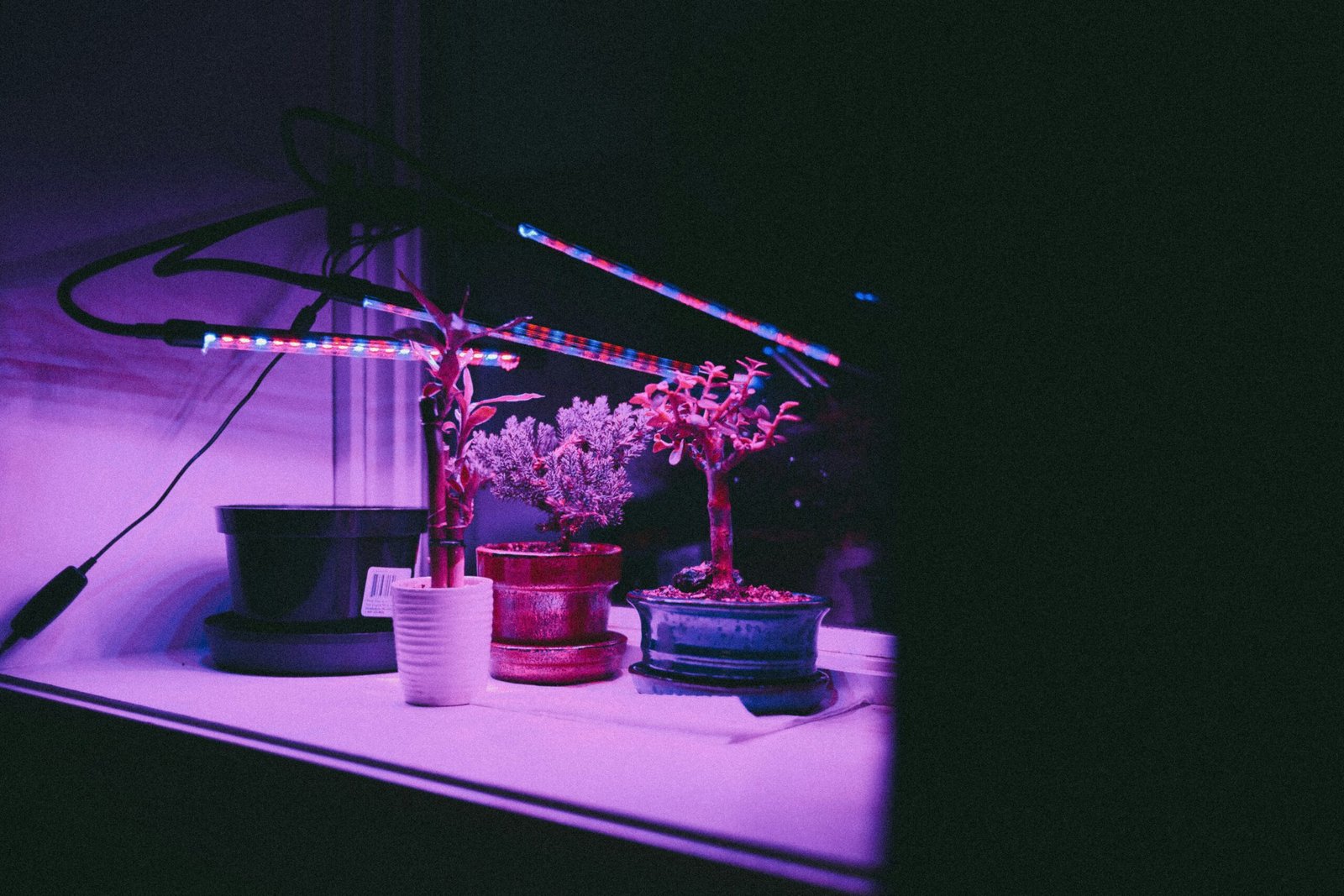
Setup B — Indoor grow-light setup ($200–$500)
For year-round production, indoor grow light setup similar to microgreens. Same wire rack, same grow lights, but pots instead of trays.
- Wire shelving rack → (paid link)
- Spider Farmer SF-1000 LED → (paid link) — full spectrum needed for flowering
- 6-inch pots with drainage (bulk) → (paid link)
- Self-watering planter inserts → (paid link)
- Smart plug timer → (paid link)
For grow light timing on flowers specifically, see how long should I leave a grow light on — flowering plants want 12–14 hours, less than microgreens.
Realistic capacity: 20–40 plants. Revenue: $100–$300/week.
Setup C — Outdoor garden or balcony ($150–$300)
If you have outdoor space, edible flowers are dramatically cheaper and easier outdoors.
- Raised garden bed (8 sq ft) → (paid link)
- Organic raised bed soil mix → (paid link)
- Drip irrigation kit → (paid link)
Realistic capacity: 30–60 plants. Revenue: $150–$400/week during growing season (April–October in most US climates).
Packaging and delivery
This part matters more for flowers than for microgreens. Flowers are fragile and presentation is the whole point.
Essential packaging supplies:
- Clamshells with hinged lids (1oz size) → (paid link) — ideal for individual flower assortments
- Larger clamshells (4 oz) → (paid link) — for bulk restaurant orders
- Food-grade tissue paper → (paid link) — gentle layering between flowers
- Printable kraft labels → (paid link) — for branding
- Insulated cooler for delivery → (paid link) — keep flowers cool en route to restaurants
Selling edible flowers: how it differs from microgreens
A few practical differences:
Seasonality matters more. Many edible flowers are seasonal (pansies are cool-season; nasturtium and marigolds are warm). Plan your customer pitches around what’s actually available.
Variety packs sell better than single types. Restaurants prefer ordering a “mixed flower clamshell” with 4–6 species rather than a single variety. Plan your growing to support 4+ varieties in continuous bloom.
Delivery timing is critical. Flowers are picked, packed, and delivered within 24 hours for best quality. Plan delivery routes accordingly.
Photography matters for sales. Restaurants want to see what they’re buying. A decent phone camera and natural light is enough — but you need real photos of your specific flowers, not stock images.
Smaller customer base per area. Not every restaurant uses edible flowers. In a typical mid-size US city, expect 8–20 viable restaurant accounts vs 50–100 for microgreens.
Adding edible flowers to an existing microgreens operation
If you already grow microgreens, edible flowers are the natural product line extension. The reasons it works:
- Same customers. Most restaurants buying microgreens also use edible flowers (or could be sold on starting).
- Same delivery routes. No new logistics required.
- Same skill base. Growing, harvesting, packaging skills transfer directly.
- Premium per ounce price. Flowers command higher per-ounce wholesale than most microgreens.
- Differentiation in your pitch. “Fresh microgreens AND seasonal edible flowers” is a more compelling value proposition than just microgreens.
For complete microgreens guides, see microgreens startup cost, most profitable microgreens to grow, starter kit under $300, and scaling equipment guide.
Frequently asked questions
Are all flowers edible?
No. Many common flowers are toxic. Stick to verified edible varieties from reputable seed suppliers. Never assume a flower is edible because it looks pretty.
Do I need any special licensing?
Most US states allow edible flowers under cottage food laws same as microgreens. Check your state specifically. Liability insurance is still recommended.
What’s the shelf life?
3–7 days refrigerated. Pack immediately after harvest. Deliver within 24 hours when possible.
Can I dry edible flowers for longer shelf life?
Yes — dried calendula, chamomile, and lavender all have markets for tea blends, soaps, and cake decoration. Different product line, longer shelf life, lower price per oz.
Are organic certifications worth it?
For restaurant accounts: marginal benefit. For farmers market direct-to-consumer: significant marketing value. Worth it if you can swing the certification cost.
The bottom line
Edible flowers are the under-served crop in the home grower-for-profit space. Almost nobody is teaching it on YouTube. The market is real, the margins are excellent, and the equipment overlaps perfectly with microgreens production.
Start with 3–4 varieties (nasturtium, calendula, pansies, borage). Grow alongside microgreens if you already have a setup. Pitch existing microgreens customers first — they’re the easiest sale.
For complete cost breakdowns on related crops, see microgreens startup cost and gourmet mushroom business startup. Combined, these three product lines can form the backbone of a serious diversified home-growing business.