How to Grow Thyme Indoors: 7 Easy Steps
Grow culinary thyme indoors with strong light, a draining container, moisture checks instead of a calendar, modest feeding, and careful tip harvests.

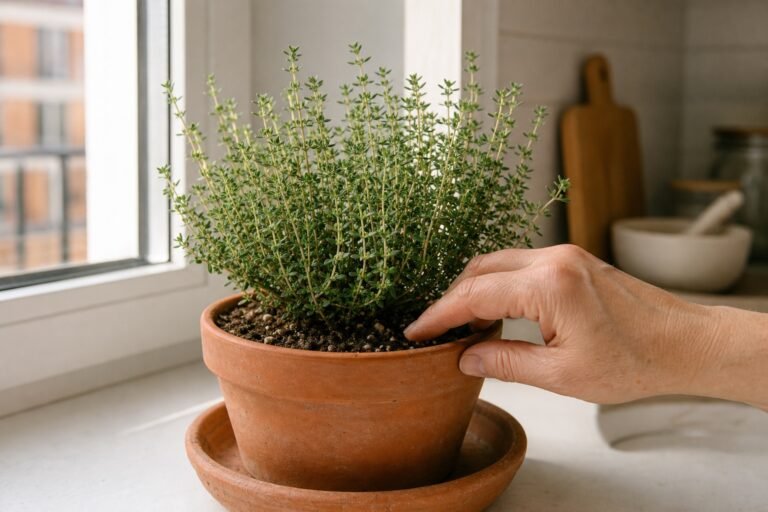
Grow culinary thyme indoors with strong light, a draining container, moisture checks instead of a calendar, modest feeding, and careful tip harvests.
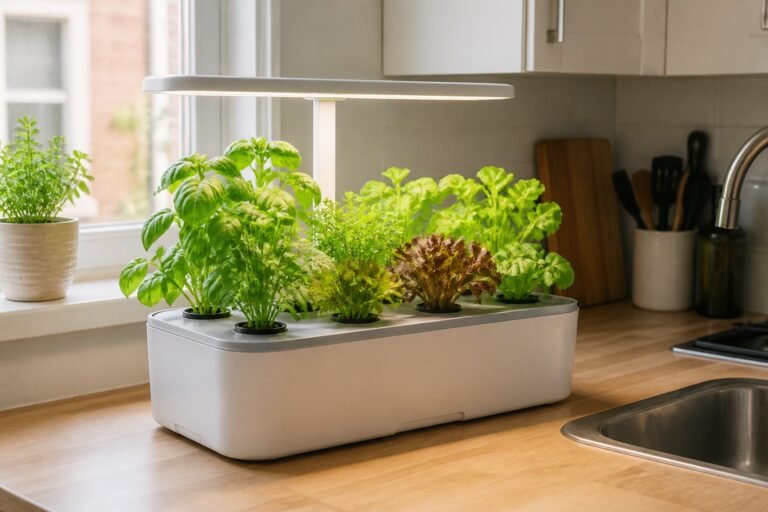
Compare the first-year, later annual, and three-year cost of countertop hydroponic systems. Edit electricity, refills, nutrients, and replacement costs.
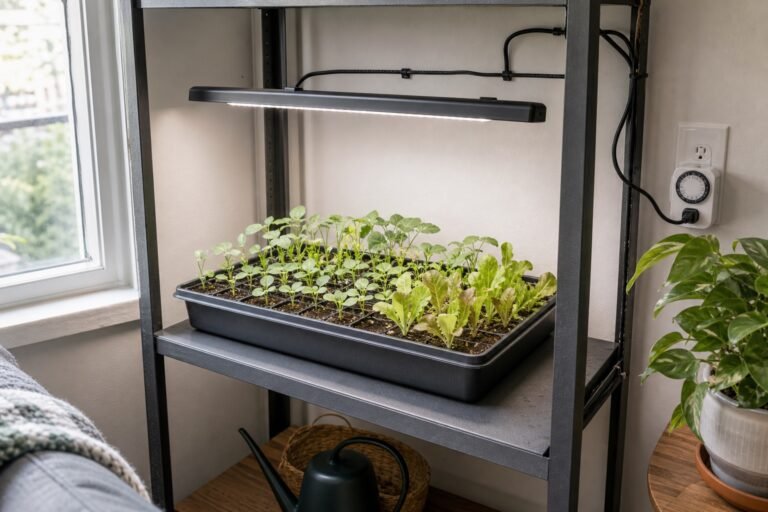
Start strong seedlings on one apartment shelf with a clean tray, fresh mix, steady light, sensible watering, and a gradual move outdoors.
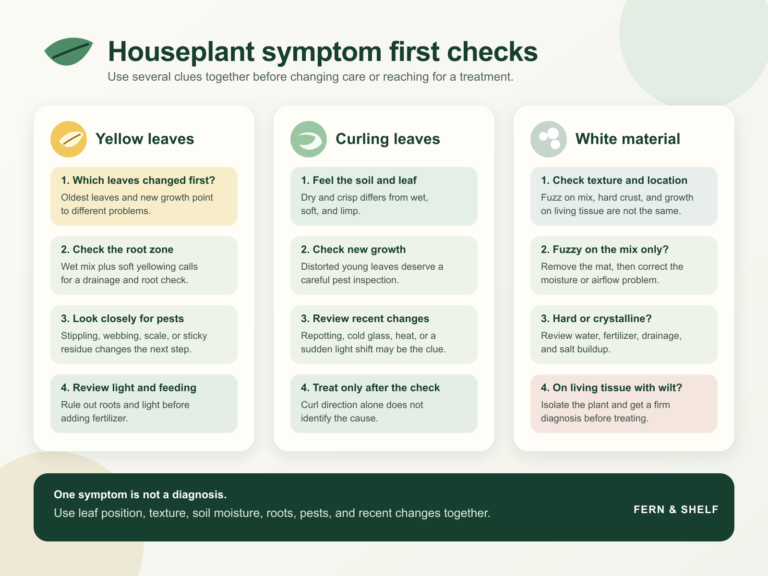
Match a houseplant symptom with moisture, light, damage location, pest clues, and recent changes. Get a transparent troubleshooting order, not a guess dressed up as a diagnosis.
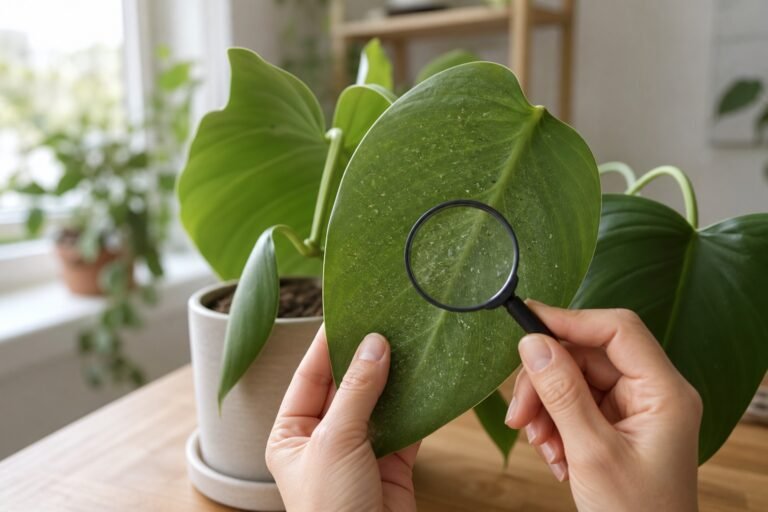
Confirm thrips before treating, then isolate, rinse, prune, follow a suitable pesticide label, repeat as directed, and monitor clean new growth.
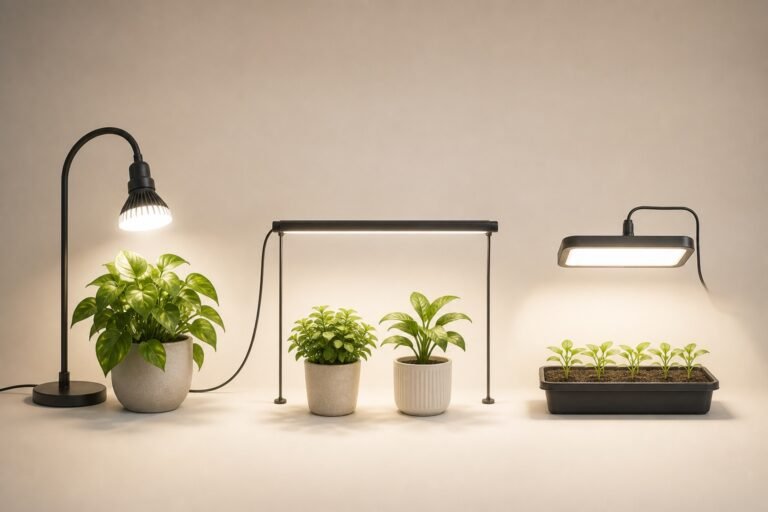
Match a grow light to your plants, canopy size, daily schedule, and measured daylight. Get a PPFD target, estimated fixture PPF, and suitable fixture shape.
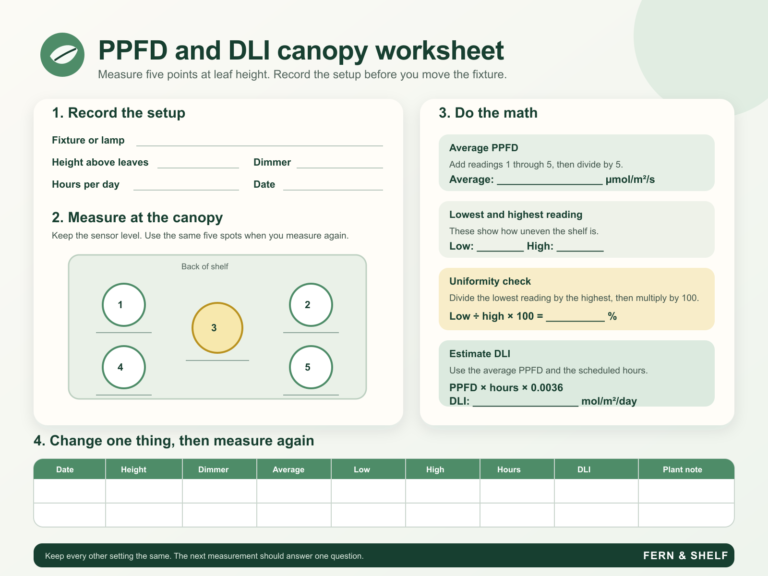
Convert measured PPFD and light hours into DLI, or work backward from a plant’s daily light target to find the PPFD or runtime needed.
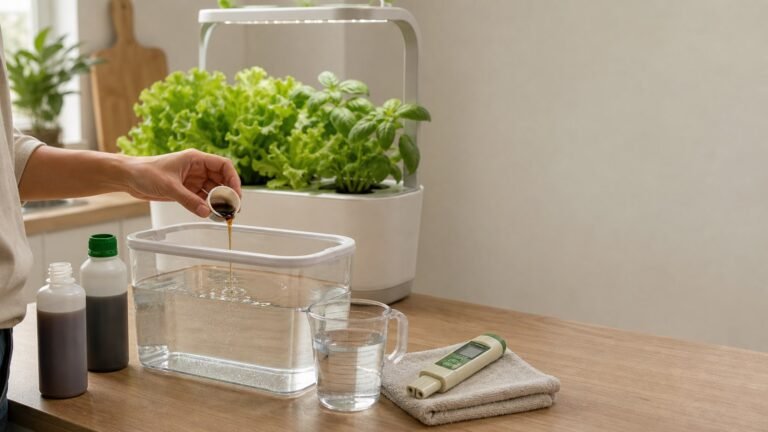
Avoid seven common nutrient mistakes with a label-first process for source water, mixing, pH, EC, top-ups, replacement, and reservoir diagnosis.
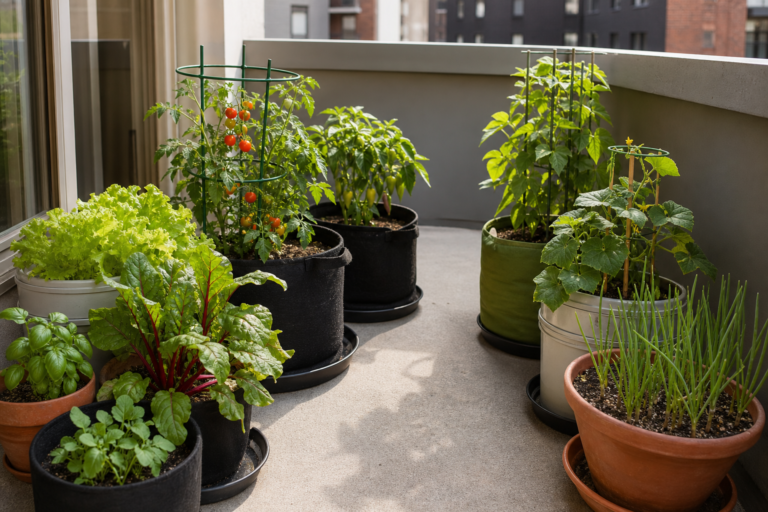
Plan a practical balcony vegetable garden with nine compact crops, realistic container sizes, sun and wind checks, drainage, and renter-aware limits.
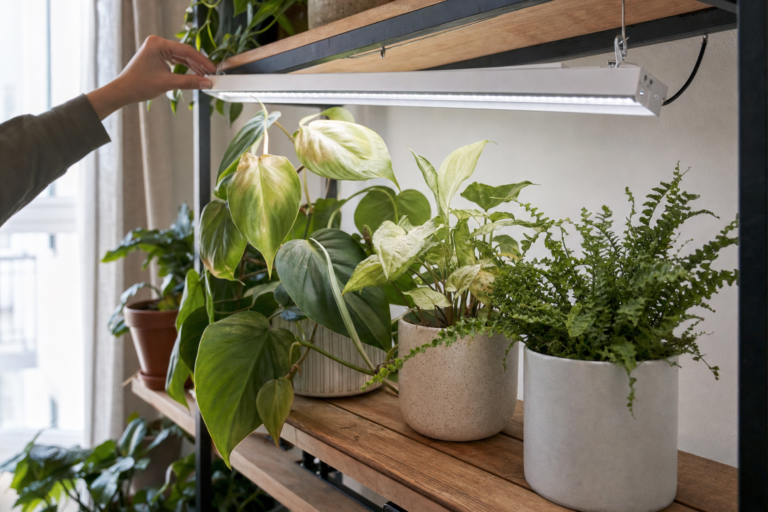
Check seven patterns that point to excess grow light, rule out common lookalikes, and make one safe adjustment without guessing.