Microgreens Seed Density Chart: 7 Reliable Starting Rates
Use seven cautious seed-density starting ranges, then calibrate them for real tray area, germination, seed lot, season, airflow, and harvest quality.

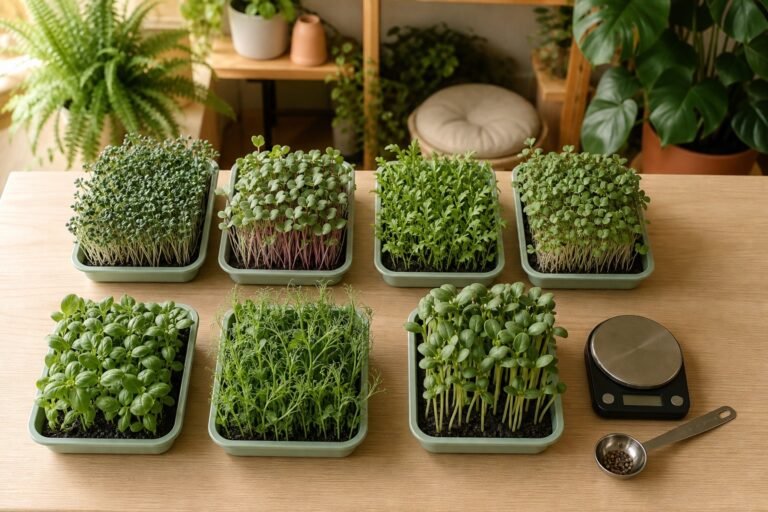
Use seven cautious seed-density starting ranges, then calibrate them for real tray area, germination, seed lot, season, airflow, and harvest quality.
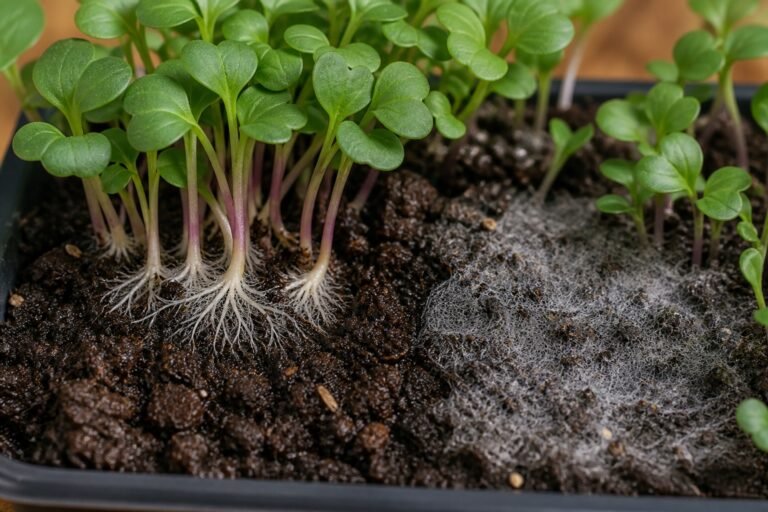
Compare location, pattern, moisture response, odor, stem condition, and spread when white fuzz appears on a microgreen tray.
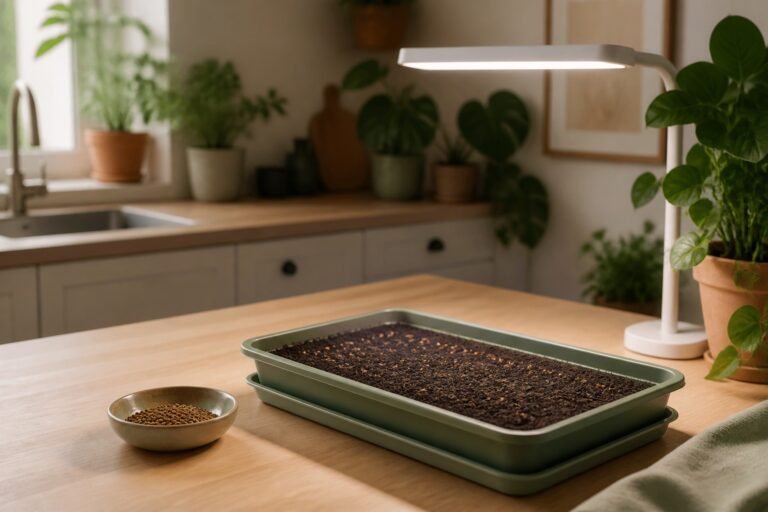
Grow microgreens at home with food-appropriate seed, clean trays, even sowing, careful moisture, dependable light, and a clean harvest.
Last updated: 11.07.2026. Broccoli microgreens are the health crowd’s darling, and that makes them the single strongest seller at farmers markets. Mild, fresh, and famous for a compound called sulforaphane that gets endless attention in wellness media, they fly off a market table to health-conscious shoppers. They are also easy to grow and rank among…
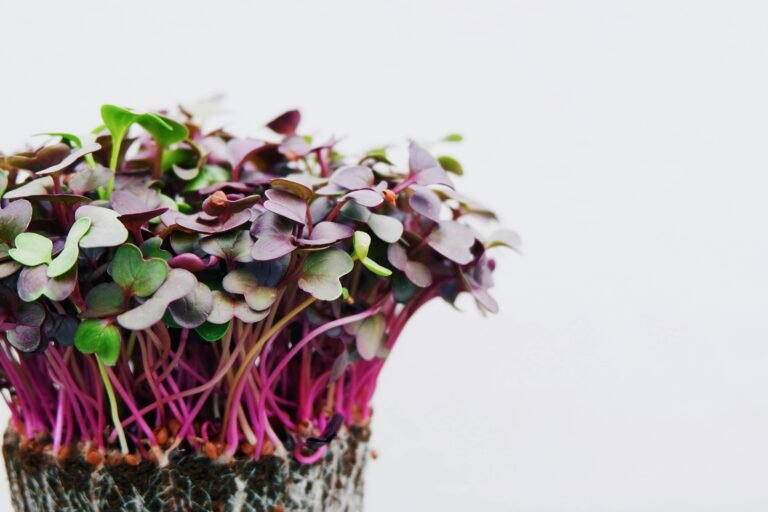
Last updated: 10.07.2026. If you have never grown a microgreen before, start with radish. It is the fastest common variety, ready to cut in about a week, it needs no soaking, and it is almost impossible to mess up. It also happens to be one of the most profitable microgreens to grow, because that speed…
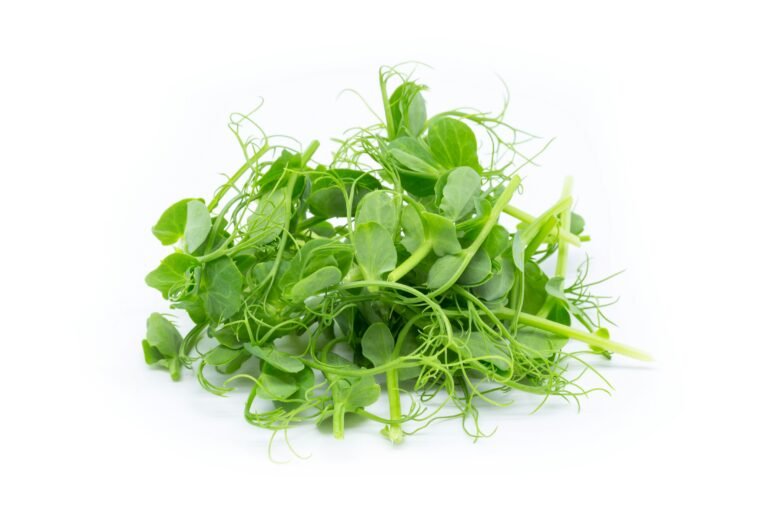
Last updated: 09.07.2026. Pea shoots have a secret that no other common microgreen shares: cut them, and they grow back. That single trait, plus a huge yield per tray and a sweet flavor that chefs reach for again and again, makes them one of the most profitable microgreens to grow for anyone selling to restaurants….
Last updated: 09.07.2026. Sunflower microgreens are the ones chefs ask for by name. Nutty, crunchy, almost meaty, they hold up on a plate without wilting and look striking with their thick stems and split-seed leaves. They are also one of the highest-yielding and most profitable microgreens to grow, which is why they belong in almost…