Powdery Mildew on Houseplants: 7 Safe Steps
Separate powdery mildew from mealybugs, soil mold, and mineral residue, then use seven cautious steps to limit spread and protect new growth.

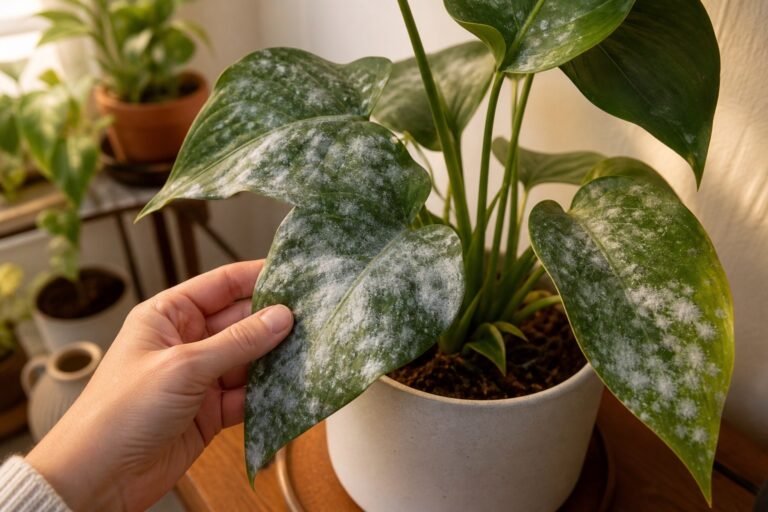
Separate powdery mildew from mealybugs, soil mold, and mineral residue, then use seven cautious steps to limit spread and protect new growth.
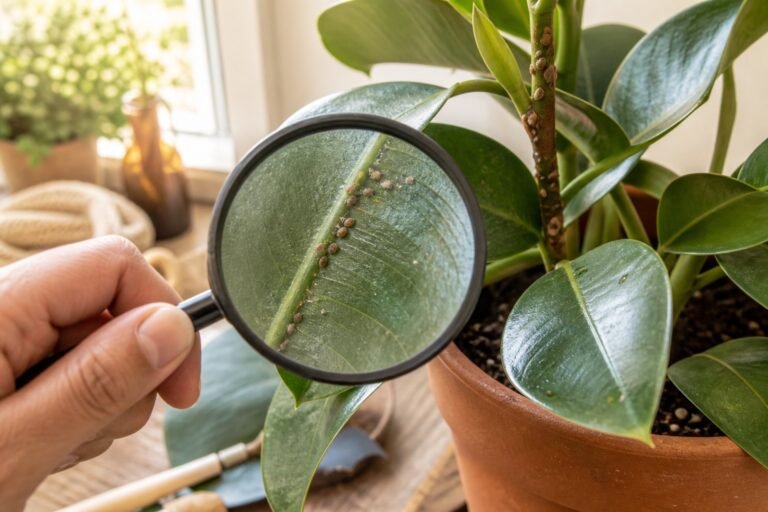
Identify scale insects, isolate the plant, remove visible pests, choose label-led treatment, and monitor clean new growth before ending quarantine.
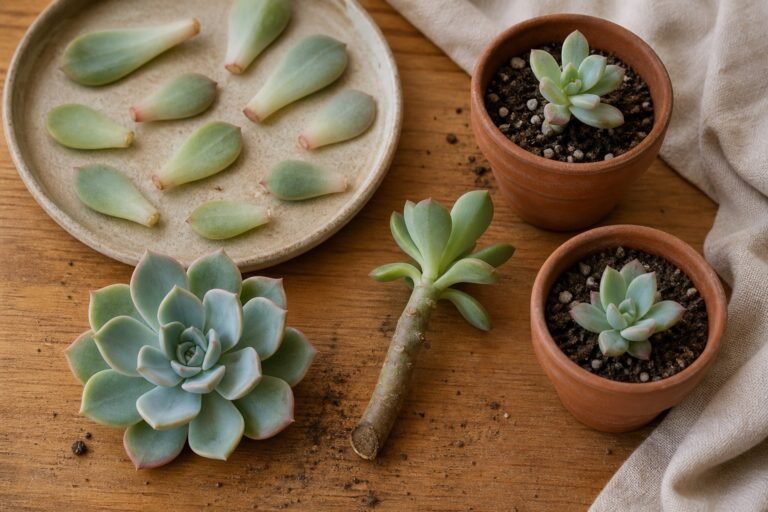
Match five succulent propagation methods to the right plant, then manage callusing, clean cuts, gritty mix, light, and water while new roots form.
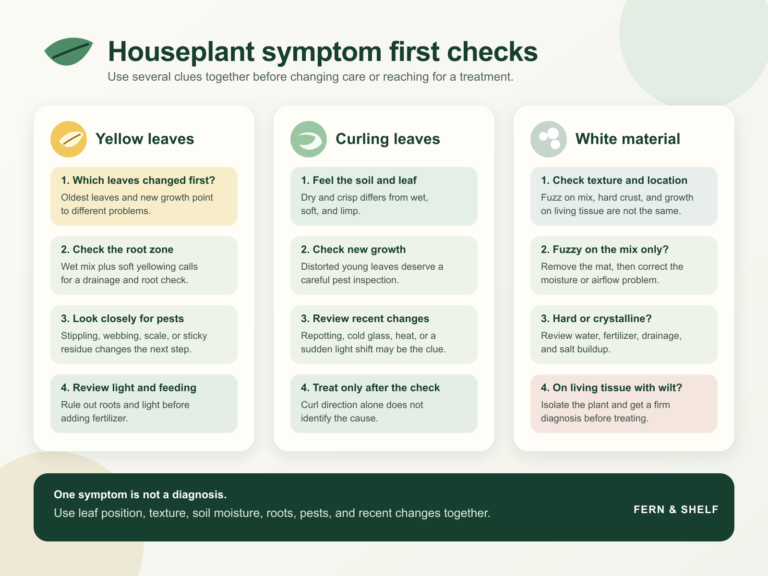
Match a houseplant symptom with moisture, light, damage location, pest clues, and recent changes. Get a transparent troubleshooting order, not a guess dressed up as a diagnosis.
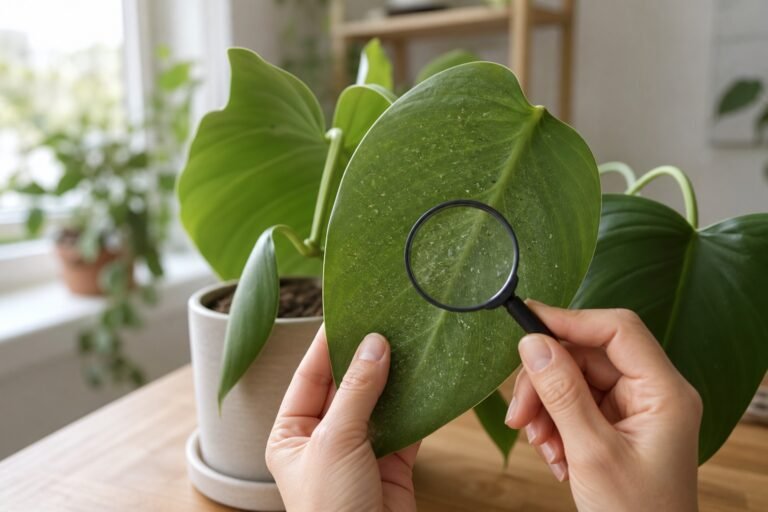
Confirm thrips before treating, then isolate, rinse, prune, follow a suitable pesticide label, repeat as directed, and monitor clean new growth.
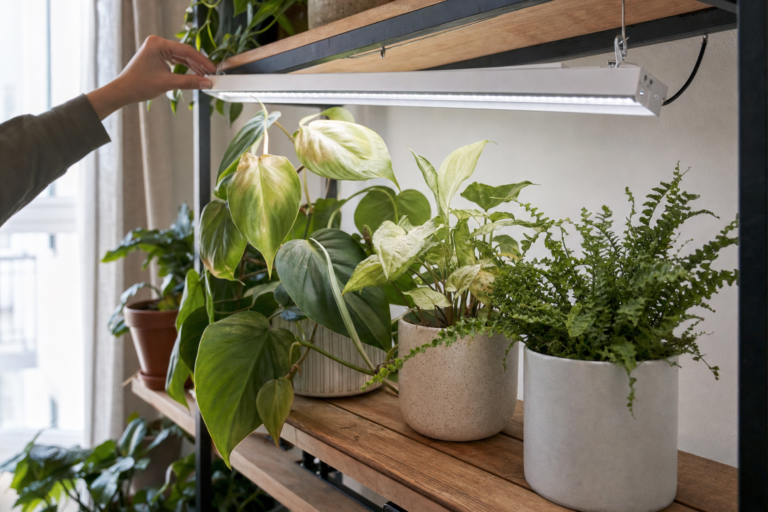
Check seven patterns that point to excess grow light, rule out common lookalikes, and make one safe adjustment without guessing.
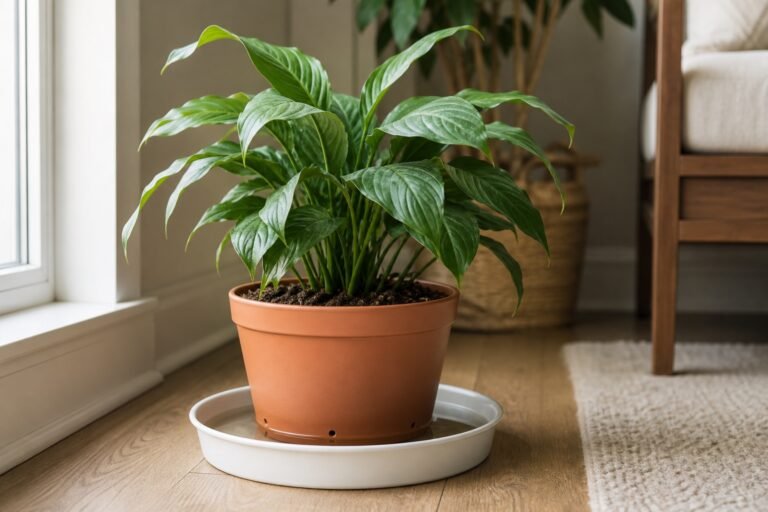
Bottom watering can rehydrate stubborn potting mix and keep water away from crowded foliage. Learn how to soak, check, drain, and prevent salt buildup.
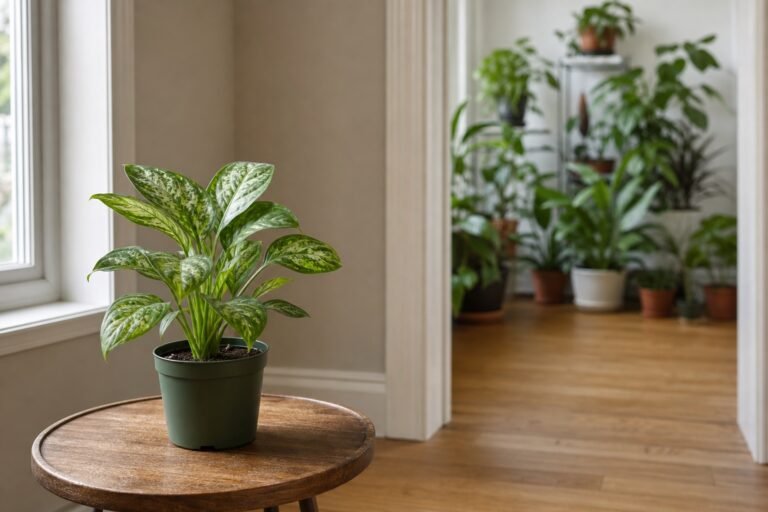
A practical three-week quarantine routine for new houseplants, including where to isolate them, what to inspect, what sticky cards miss, and when to wait longer.

Last updated: June 11, 2026. Fungus gnats are annoying. Spider mites are dangerous. That’s the distinction I want to make right at the top, because I treated my first mite outbreak with the urgency of a minor chore and it cost me a calathea, most of an alocasia, and very nearly a six-foot monstera. Start…
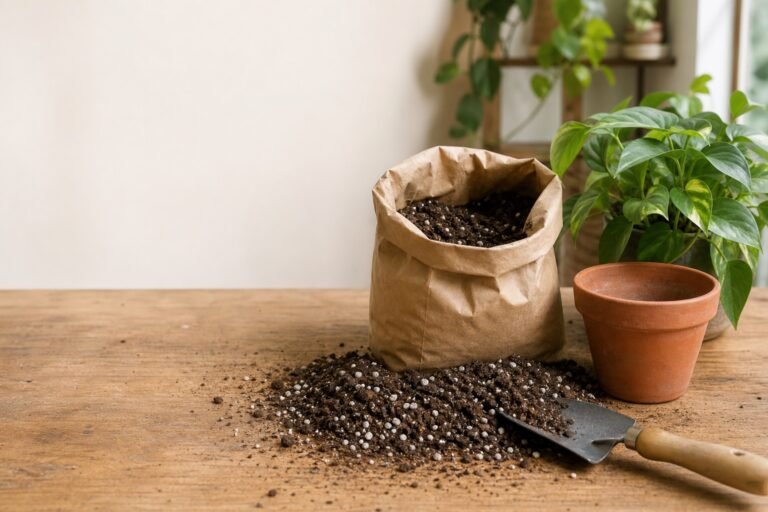
Compare seven potting mixes for indoor plants by drainage, ingredients, fertilizer, peat content, plant type, bag size, and US availability.