How Often Should You Water Indoor Plants? The Honest Answer
Last updated: 28.05.2026.*
Here’s the honest answer to “how often should I water my indoor plants” — and it’s probably not the answer you wanted.
Start here: For a complete overview, see our Indoor Gardening for Absolute Beginners.
There’s no fixed schedule. Not “once a week.” Not “every five days.” Not “twice a month.” Any guide that gives you a single number is wrong, and the people following those guides are the ones whose plants keep dying.
The good news: the actual rule is simple, takes ten seconds to check, and works for almost every indoor plant you’ll ever own. Here it is.
The only watering rule you need
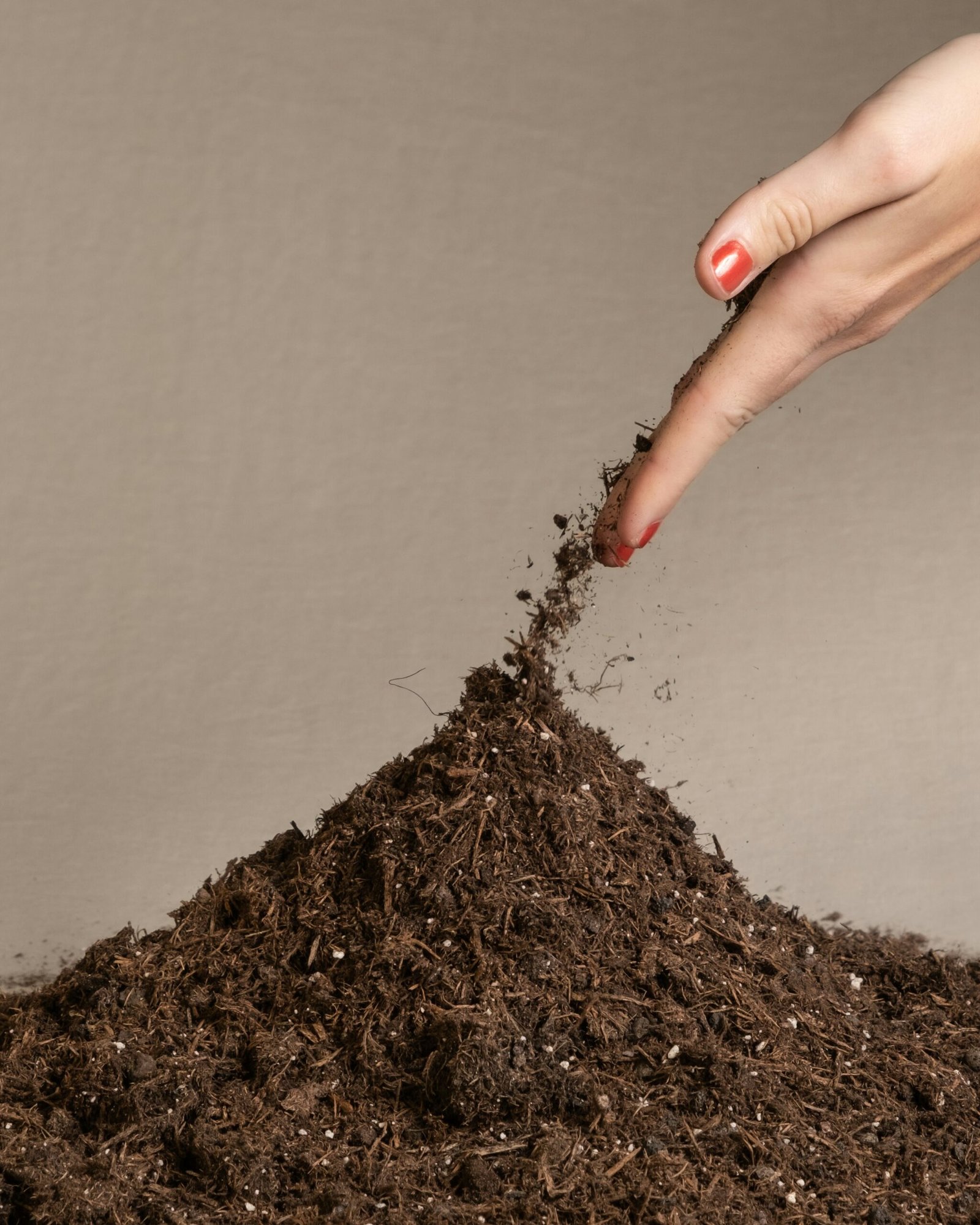
Stick your finger into the soil, up to your second knuckle. If the soil feels dry, water it. If it feels damp, don’t.
That’s the whole rule.
It works because every plant tells you when it needs water through the soil moisture. A pothos in a sunny room dries out faster than the same pothos in a dim room. A snake plant in summer dries out faster than the same snake plant in winter. A small pot dries out faster than a big one. A schedule can’t account for any of this. Your finger can.
If you do nothing else, do this one thing. Your plants will mostly survive.
Why schedules don’t work
Most plant care advice tells you to “water once a week” because that’s a simple thing to say. It’s also wrong almost always.
The amount of water a plant uses depends on:
- How warm the room is
- How much light the plant gets
- How dry the air is
- What season it is
- How big the pot is
- What kind of soil it’s in
- What kind of plant it is
A weekly watering schedule treats all of these as if they’re fixed. They aren’t. If you water on a schedule, you’ll either give your plant too much water (most common — see overwatering signs below) or too little.
Watering by feel handles all the variables automatically. You don’t need to think about them. You just check the soil.
What “water it” actually means
When the soil feels dry and it’s time to water, here’s the right way:
- Water until you see water draining out the bottom of the pot. This means the whole pot got wet, not just the top.
- Wait for the draining to stop. This takes about a minute.
- Pour out anything that collected in the saucer. Plants sitting in standing water develop root rot.
Light watering — a little splash on the top — is almost as bad as no watering. The water never reaches the bottom roots, the plant slowly weakens, and the soil develops dry pockets.
For more on what happens when watering goes wrong, our guide on why pothos keep dying walks through exactly what overwatering looks like and how to fix it.
Rough guides for popular plants (use as starting points only)
These are rough — your apartment may water faster or slower depending on light and temperature. Always confirm with the finger test before watering.
Pothos — every 7–14 days. See our why pothos keep dying guide for full pothos care.
Snake plant — every 14–28 days. Snake plants tolerate drought very well; we cover their care in detail in how to stop killing your snake plant.
ZZ plant — every 21–28 days. Very drought-tolerant.
Spider plant — every 7–10 days.
Heartleaf philodendron — every 7–10 days.
Cactus or succulents — every 21–30+ days. Most beginners overwater these dramatically.
Ferns — every 5–7 days. Ferns like consistent moisture, especially humid varieties; see our bathroom plants guide for ferns specifically.
Orchids — soak weekly, drain fully.
Hydroponic systems — water reservoir refilled every 2–4 weeks (the system handles daily watering itself). See our hydroponic systems guide for setup.
For a complete list of the 9 easiest plants to keep alive and their specific watering needs, see 9 easiest indoor plants for people who kill plants.
Signs you’re watering too much
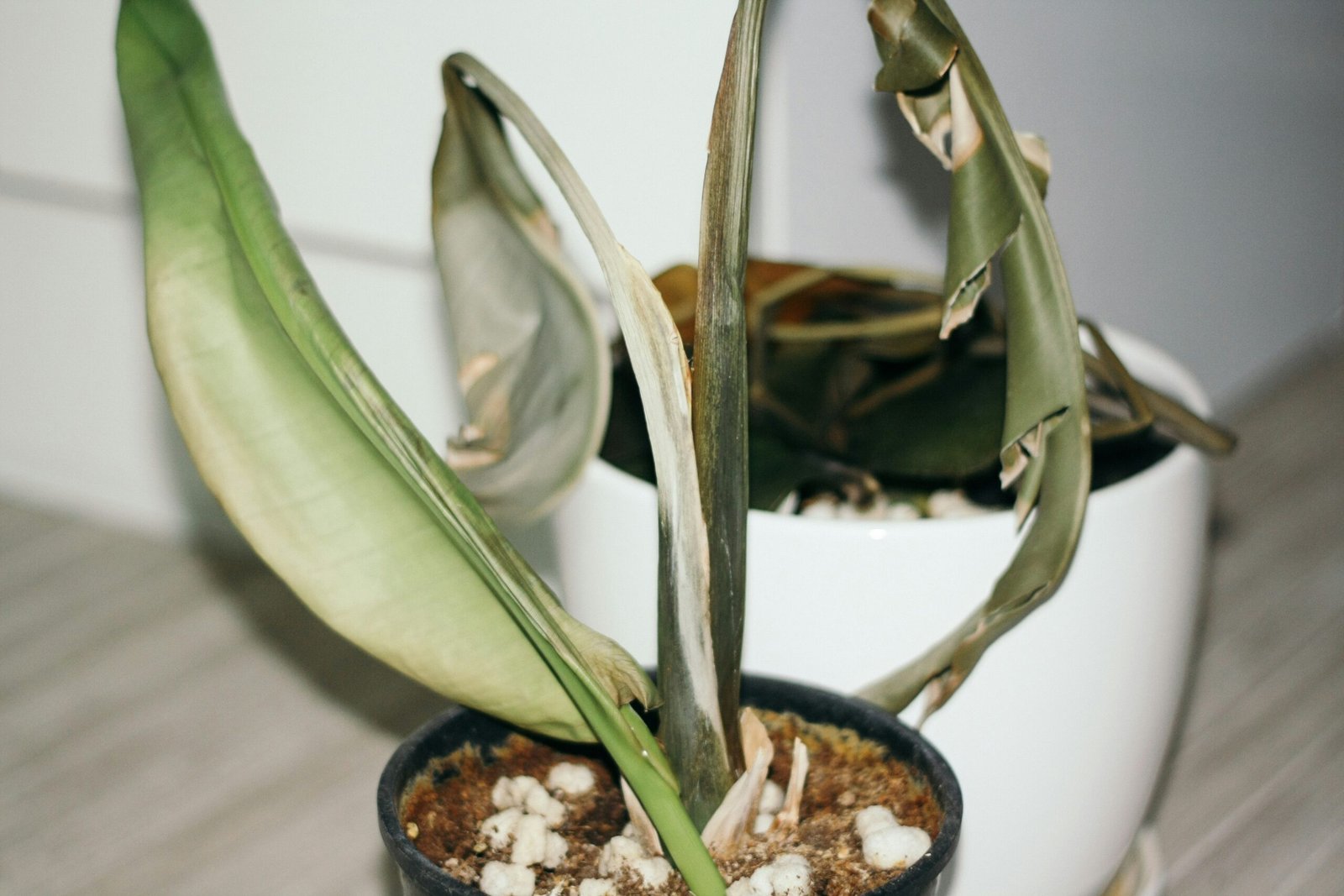
If you see any of these, stop watering and let the soil dry out completely before watering again.
- Yellow leaves, especially older leaves at the base of the plant
- Mushy stems at the base
- A sour smell from the soil
- Leaves dropping off without warning
- Soil that stays wet for many days after watering
Overwatering is by far the most common cause of houseplant death. If you’re unsure whether you’ve been over- or under-watering, the answer is almost always overwatering.
Signs you’re not watering enough
These are less common but still worth knowing:
- Drooping leaves that perk back up within hours of watering
- Crispy, brown leaf tips (can also be from low humidity)
- Soil pulled away from the edges of the pot
- Soil that takes a long time to absorb water when you do water
If you see these, water thoroughly. The plant should recover within a day.
The pot matters as much as the watering
The single biggest watering mistake that kills “easy” houseplants isn’t about timing — it’s about pots without drainage holes.
A pot without a drainage hole traps water at the bottom. The roots sit in that water. Root rot develops within weeks no matter how careful you are with watering.
Always use a pot with drainage holes. If you want to use a decorative ceramic pot that has no hole, keep your plant in a cheap plastic nursery pot inside the decorative one. Water the plant in the sink, let it drain, then return it to the decorative pot.
For more on getting started with the right setup, see our easiest indoor plants to keep alive guide, which covers pots, drainage, and basic care in detail.
Watering tools that help
If you want to remove the guesswork entirely, a soil moisture meter is a small inexpensive tool you stick into the soil — it tells you whether the soil is dry, moist, or wet, so you don’t have to estimate by feel.
Most people don’t need one after the first few months. But for the first month, while you’re learning what “dry” feels like for your specific plants, a meter is genuinely useful.
You can also keep a simple watering can with a long thin spout (easier to direct water into a small pot without splashing) and a spray bottle for misting humidity-loving plants. That’s the entire watering kit.
Watering in winter vs. summer
Plants use less water in winter because:
- Days are shorter, so less light = less photosynthesis = less water demand
- Most plants slow their growth or go dormant in winter
- Indoor heating dries the air, which makes plants need slightly more mist but less root water
In practice: in winter, you’ll water about half as often as in summer. The finger test still works — the soil just stays wet longer in winter, so you’ll find yourself waiting longer between waterings.
Frequently asked questions
My plant is drooping. Should I water immediately?
Check the soil first. If the soil is dry, yes — water thoroughly. If the soil is wet and the plant is drooping, drooping is actually a sign of too much water. Don’t add more.
Can I use tap water?
Most plants tolerate tap water fine. Some sensitive plants (like calatheas, ferns, and certain orchids) react badly to chlorine and fluoride; for those, use filtered water or let tap water sit out for 24 hours before using.
Should I water from the top or bottom?
Top is fine for most plants. Bottom watering (placing the pot in a tray of water and letting the soil absorb up through the drainage hole) is useful for plants with delicate leaves (African violets) or for thoroughly soaking a plant that’s been very dry.
For the full tray depth, soak time, and drain routine, see our guide to bottom watering houseplants safely.
How do I water plants while I’m on vacation?
For trips up to 2 weeks: water thoroughly the day before you leave, group plants in a humid bathroom (showers help), and most easy houseplants will survive. For longer trips, ask a friend or invest in self-watering planters.
What if I really can’t remember to water?
Get a snake plant or ZZ plant. Both genuinely thrive on being ignored for weeks. Or get a self-watering planter that holds 2+ weeks of water in a built-in reservoir.
Related guides and tools
The bottom line
Stop watering on a schedule. Use your finger. Check the soil before every watering decision. Use pots with drainage. Adjust slightly for seasons.
That’s the whole skill. It takes about a month of doing the finger test to build the intuition for what “dry” feels like for your specific plants. Once you have that intuition, watering becomes the easiest part of plant care — not the hardest, which is what most beginners assume it is.
If your plants have been dying despite your best efforts, you’re probably watering on a schedule and watering too often. Switch to the finger test today. The next time you go to water, check first. You’ll be surprised how often the answer is “wait.”