How to Grow Rosemary Indoors (The Herb That Wants to Be Left Alone)
Last updated: 03.07.2026.

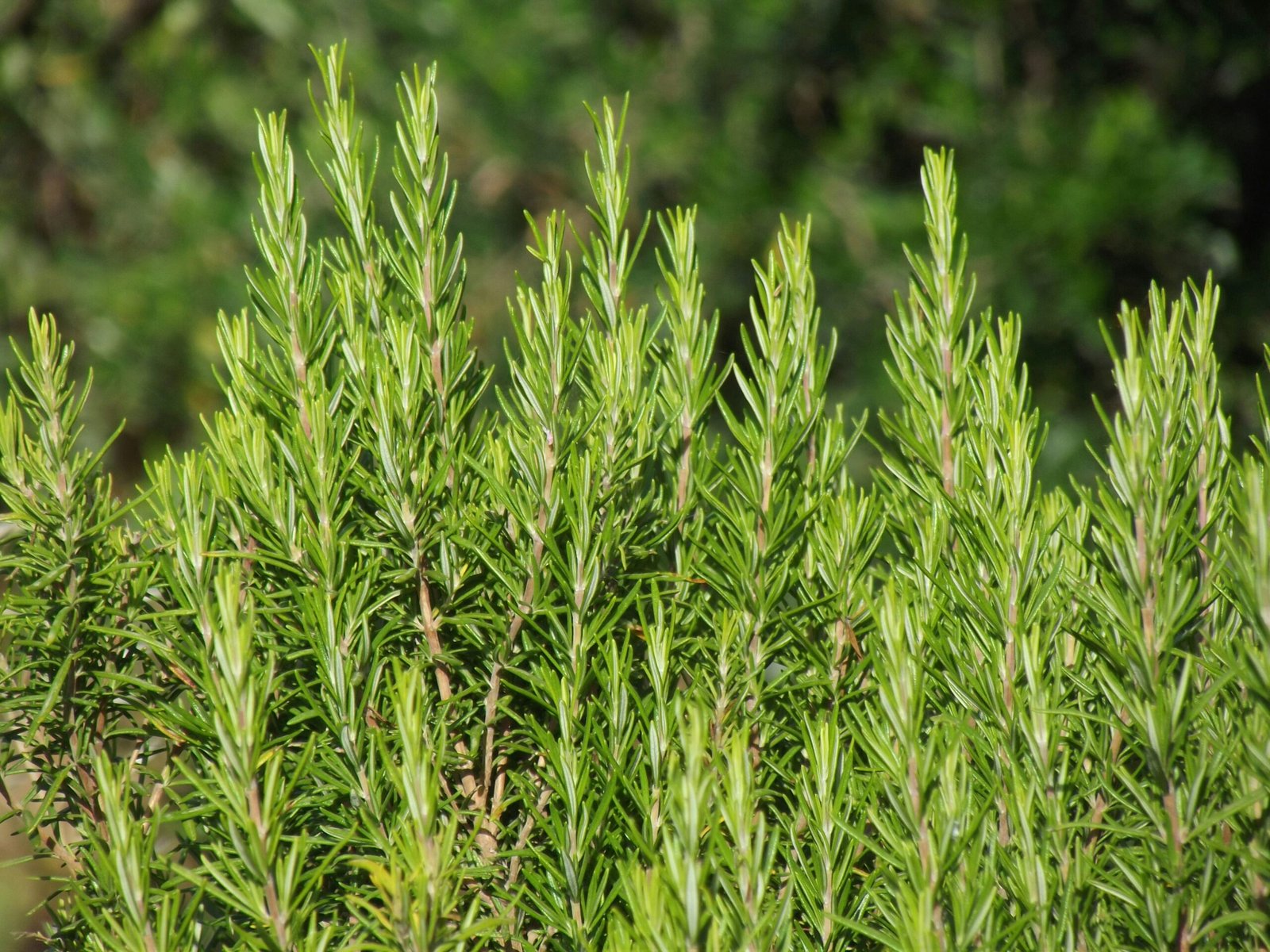
Rosemary is the herb people most often kill with kindness. It looks tough, all woody stems and needle leaves, so we water it like a leafy plant and fuss over it, and it quietly dies of root rot or mildew within a couple of months. The truth is rosemary is a Mediterranean shrub that wants exactly the opposite of fussing: bright light, lean watering, good airflow, and then to be left alone.
Get that mindset right and rosemary is a long-lived, woody, fragrant evergreen that perfumes your kitchen and gives you fresh sprigs all year. Unlike fast herbs such as basil or cilantro, rosemary is a slow, permanent resident. Here is how to keep it alive and thriving indoors, which is genuinely the trickiest of the common herbs to grow inside.
Why indoor rosemary is harder than it looks
Rosemary evolved on dry, sunny, breezy Mediterranean hillsides. An indoor home is the near opposite: lower light, still air, and often too much water. The two things that kill indoor rosemary both come from that mismatch:
- Overwatering and root rot, because people treat it like a thirsty leafy herb.
- Powdery mildew, a white fungal coating that thrives in the still, humid air around an indoor plant.
So growing rosemary indoors is really about recreating a bit of that dry, bright, breezy hillside. Do that and it is easy. Ignore it and rosemary is the herb most likely to disappoint you.
Light: as much as you can give it
Rosemary is a sun worshipper and this is non-negotiable. It wants 6 to 8 hours of bright, direct light a day, the most of any common kitchen herb. A bright south-facing windowsill is the bare minimum.
This is where most indoor rosemary fails, because few windows give that much light, especially in winter or in a north-facing flat. If your light is anything less than a genuinely sunny window, you will need a grow light, and rosemary repays a strong one. A good full-spectrum grow light running 12 or more hours keeps it healthy, and the do you need a grow light guide helps you judge your window. In a dim Berlin Altbau or a north-facing London flat, assume you will need supplemental light.
Watering: less than you think
Here is the rule that saves rosemary: let it dry out between waterings. Rosemary hates wet feet and is very prone to root rot. Water only when the top inch or two (2 to 5 cm) of soil is dry, then water thoroughly and let it drain completely. Never let it sit in a saucer of water.
That said, do not let it go bone dry for long stretches either, because a fully dried-out rosemary can crash quickly and is hard to revive. The target is a steady dry-ish rhythm: thorough drink, then dry down, then drink again. When unsure, wait a day. Rosemary forgives slightly-too-dry far better than too-wet.
Use a pot with a drainage hole and a gritty, fast-draining mix. A cactus or succulent mix, or regular potting mix cut with extra perlite or sand, suits it perfectly. Dense, water-holding soil is a rosemary killer.
Airflow: the overlooked secret
Because rosemary is so prone to powdery mildew indoors, airflow matters more than for almost any other herb. Stagnant air around the plant invites the white fungal film on the leaves.
Give it space rather than crowding it among other plants, and let some air move around it. A cracked window when weather allows, or a small fan running occasionally in the room, makes a real difference. If you do see powdery mildew (white dusty coating), improve airflow immediately, remove affected parts, and avoid wetting the foliage.
Starting rosemary
Like mint, rosemary is slow and unreliable from seed, so skip seeds. Start it one of two easy ways:
- From a starter plant. Buy a healthy rosemary plant from a garden centre (US, UK, or German) for around $5 to $8 (£4 to £6, €5 to €7) and repot it into a pot with good drainage.
- From a cutting. Take a 3 to 4 inch (8 to 10 cm) sprig from healthy growth, strip the lower needles, and root it in moist gritty mix or water. It is slower to root than mint but very doable.
Use a pot at least 6 to 8 inches (15 to 20 cm) wide. Rosemary likes room for its roots and resents being waterlogged in too small a pot.
Harvesting and keeping it healthy
Harvest by snipping sprigs from the soft, green growth, never cutting back into the old bare woody stems, which often do not regrow. Light, regular harvesting actually encourages bushier growth. Do not take more than about a third of the plant at once.
A few ongoing tips: rotate the pot for even growth, feed lightly during the growing season only (it is not a heavy feeder, see how to fertilize houseplants), and keep it in a cooler room in winter rather than next to a hot radiator, since rosemary tolerates cool better than hot dry air.
Rosemary is the most demanding of the common indoor herbs, but only because people give it the wrong care. Treat it like the sun-loving, drought-tolerant Mediterranean shrub it is: lots of light, lean watering, good airflow, and minimal fuss. Do that and you get a fragrant, woody evergreen that lasts for years, far longer than any leafy herb. For the rest of your windowsill, how to grow herbs indoors without sunlight and the easier mint round out the collection.