The Best Plants for an Indoor Vertical Garden (And the Ones That Sulk on a Wall)
Last updated: 04.06.2026.
Affiliate disclosure: As an Amazon Associate I earn from qualifying purchases. Links marked “paid link” may earn Fern & Shelf a commission at no extra cost to you. Read our full Affiliate Disclosure.
Start here: For a complete overview, see our 7 Best Hydroponic Systems for Beginners in 2026.
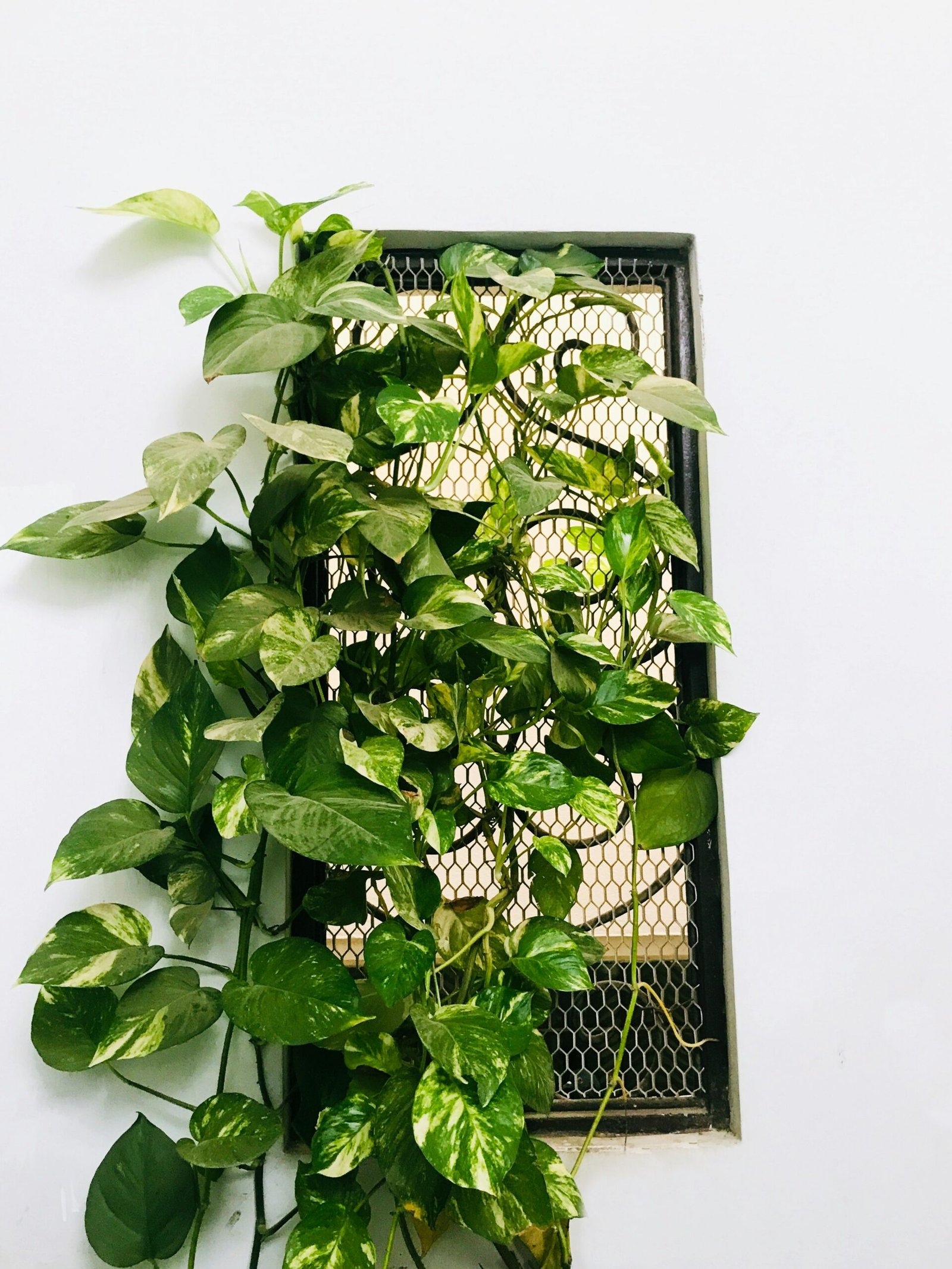
A vertical garden isn’t a normal garden turned sideways. Plants on a wall deal with things floor plants don’t: they dry out unevenly, the top row bakes while the bottom stays damp, roots live in small pockets, and gravity is constantly trying to undo your watering. So the plant list that works is its own specific thing — and the wrong choices look great for two weeks and then crisp up.
I’ve killed enough wall plants to know which ones forgive a vertical setup and which ones hold a grudge. Here’s the list, split into the easy winners, the herbs, and the few I’d skip.
Already built the structure, or still deciding how? If you haven’t set the wall up yet, start with how to build an indoor vertical garden (or grab a ready-made system) — then come back and fill it with these.
The easy winners — plant these first
These tolerate small root pockets, irregular watering, and the shade that taller plants throw on shorter ones. If you’re new, build the whole wall out of just these.
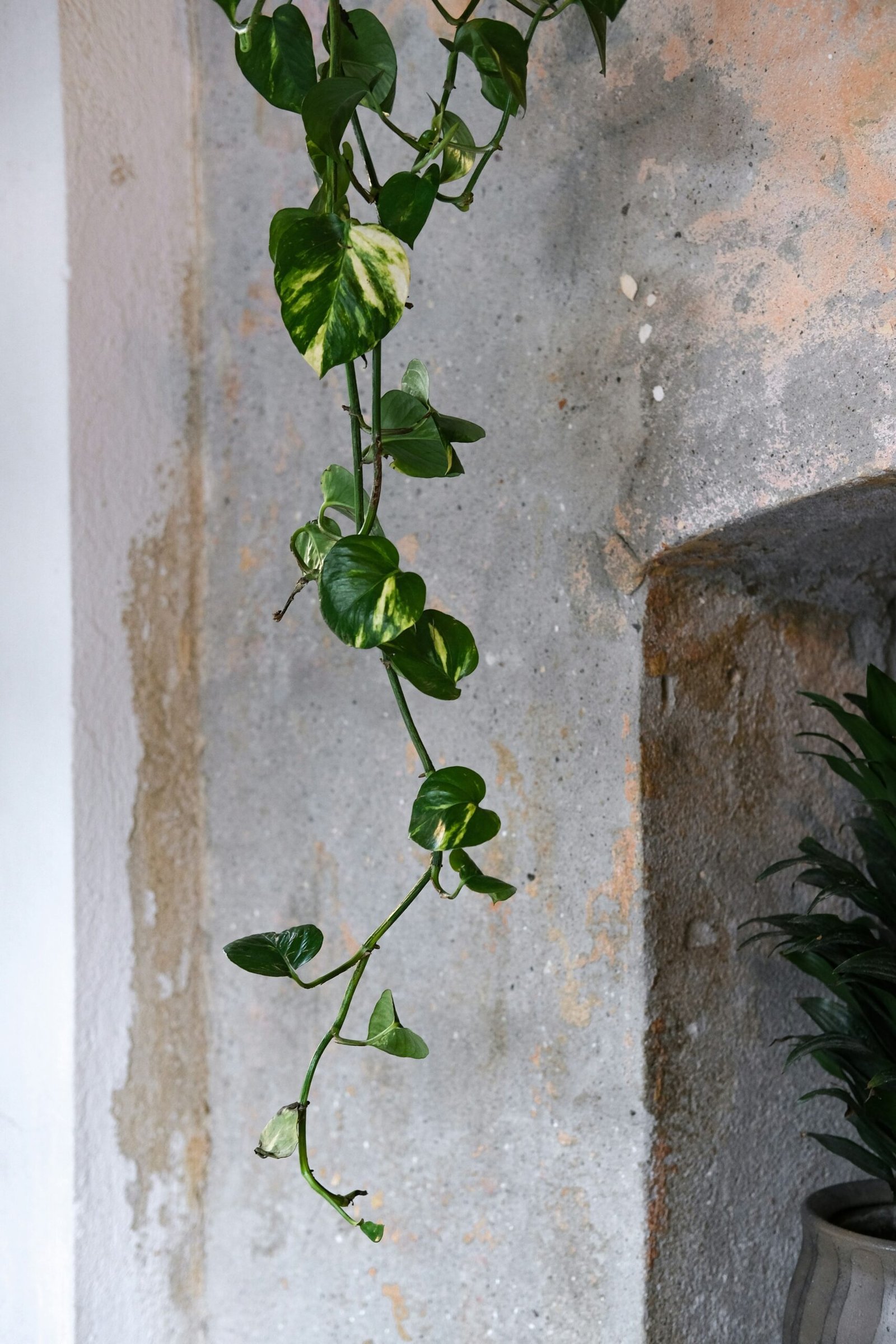
Pothos. The undisputed champion. Trails beautifully down a wall, survives neglect, roots in almost anything, and the variegated kinds add color. One pothos becomes ten cuttings fast. If yours keeps struggling somehow, why your pothos keeps dying covers the usual culprits.
Philodendron (heartleaf). Pothos’s equally tough cousin. Trailing, fast, shade-tolerant. Looks lush filling the lower rows.
Snake plant (small varieties). Upright, architectural, nearly unkillable — handy for adding height variation in pockets. Just don’t overwater; on a wall the lower pockets stay damp and snake plants hate wet feet. If yours is sulking, how to stop killing your snake plant is the fix.
Ferns (Boston, button). Love the humidity that a dense wall of plants creates. Soft texture, great filler. They want the bottom rows where it stays moist.
Spider plant. Throws out babies that dangle down the wall — looks fantastic on a vertical panel and propagates itself endlessly.
String of hearts / trailing succulents (up top only). Drought-tolerant trailers for the dry top row where everything else struggles.
Herbs — the practical, edible layer
A vertical herb wall is the dream for a small kitchen: fresh herbs at arm’s reach, no counter space sacrificed. December basil tasting like July basil. These do well vertically:
Mint. Thrives anywhere, including a wall pocket, and is so vigorous it’s actually better contained vertically than let loose in a pot where it bullies everything.
Thyme, oregano, marjoram. Low, spreading Mediterranean herbs that drape over pocket edges and tolerate the drier upper rows. Forgiving and slow to wilt.
Parsley and chives. Reliable, compact, happy in the middle rows with steady moisture.
Basil — with a caveat. Delicious and worth it, but thirsty and sun-hungry. Put it where it gets the most light and expect to water it most. On a dim wall it gets leggy fast — that’s a light problem, and do you need a grow light helps you decide whether to add one.
A note for UK and German readers: most of these sell under the same names at garden centres (Crocus in the UK, Hornbach or OBI in Germany), though you’ll see “coriander” where US shops say “cilantro.” Speaking of which — cilantro/coriander is one I’d grow in a separate pot, not the wall; it bolts and resents disturbance.
To get started cheaply, a basic herb seed starter variety pack (paid link) (nofollow, sponsored) plus a light organic potting mix (paid link) (nofollow, sponsored) is most of what you need. Prices run about $15–25 / £12–20 / €14–23 for both.
The plants I’d skip on a wall
Not everything belongs vertical. These I’d keep in regular pots:
Fiddle-leaf fig and other big statement plants — too heavy, roots too large for pockets, and they hate being moved.
Most flowering houseplants (orchids, peace lily in bloom) — fussy about water consistency, which a vertical setup can’t really give them.
Succulents in the lower rows — they’ll rot in the damp bottom pockets. Up top only, if at all.
Cilantro, dill, and other taproot herbs — they resent transplanting and tight pockets, and bolt quickly.
Related guides and tools
How to arrange them (the part that makes it look good)
Three rules that do most of the work:
Thirsty and big at the bottom, drought-tolerant and small at the top. Water flows down, so put the plants that want moisture where it collects.
Trailers at the edges, uprights in the middle. Let pothos, spider plant, and string-of-hearts spill over the sides; keep snake plant and upright herbs central for structure.
Mix leaf textures, not just colors. A wall of all-similar leaves reads flat. Pair broad pothos against feathery ferns against fine thyme and it looks intentional.
For light, watering rhythm, and the mounting/drainage mechanics behind all this, the build guide covers the setup, and how long to leave a grow light on sorts the lighting for a shaded wall. If you’d rather buy a system with the planting layout figured out for you, the best indoor vertical garden systems roundup is the place to start.
Start with pothos, a fern, a spider plant, and three herbs. Six plants. Get those thriving, learn your wall’s watering quirks, then expand. A vertical garden that’s half-full and healthy always beats a full one that’s half-dead.