Microgreens vs Mushrooms: Which Apartment Side Hustle Fits You?
Last updated: July 22, 2026.
Microgreens vs mushrooms sounds like a choice between two versions of the same apartment side hustle. Both are compact crops. Both can be sold fresh. Both attract people who want to start small. Once you grow them, the resemblance fades quickly.
I have grown both. Microgreens turned my attention toward light coverage, seeding, tray sanitation, quick harvests, and finding a buyer before the crop was ready. Mushrooms made me think about clean inoculated material, humidity, fresh-air exchange, fruiting blocks, spores, and a room that behaves differently from ordinary living space.
Neither crop is easy money, and neither is automatically legal to produce in an apartment for sale. The better first project is the one whose workflow, room, buyers, and local rules fit you. This guide shows how to make that decision without inventing a national profit number.
Microgreens vs mushrooms at a glance
| Question | Microgreens | Gourmet mushrooms |
|---|---|---|
| What drives the room? | Even light, irrigation, airflow, clean trays, and crop turnover | Humidity, fresh-air exchange, temperature, clean blocks, and spore management |
| What is the basic production unit? | A seeded tray | A fruiting block or bag |
| What expires first? | A scheduled harvest with a short fresh-sales window | A fruiting flush and harvested mushrooms with their own fresh-sales window |
| What makes learning simpler? | Buying small seed lots and repeating a few tray recipes | Starting with reputable ready-to-fruit blocks rather than making sterile culture and substrate |
| What commonly strains an apartment? | Wet trays, soil or coir, rack lights, cleanup, and cold storage | Humidity, condensation, fresh-air needs, spores, cleanup, and cold storage |
| Best first buyer test | A small sample and preorder conversation for specific crops and pack sizes | A small sample and preorder conversation for a named species and pack size |
1. Microgreens vs mushrooms starts with the room
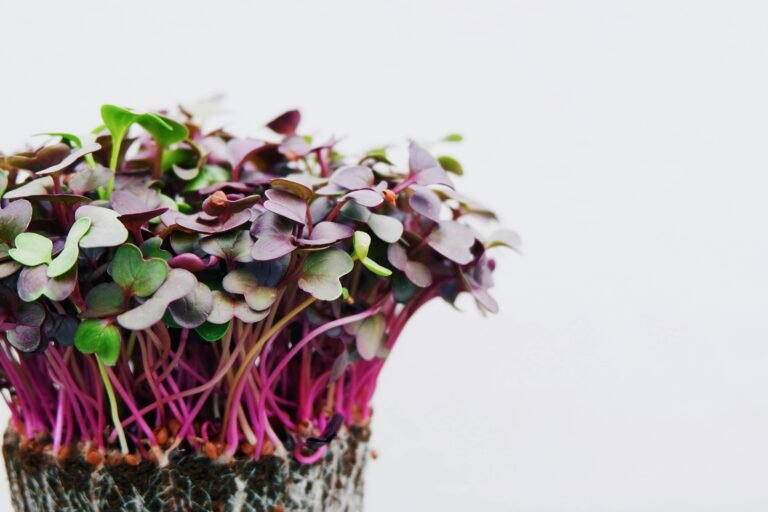
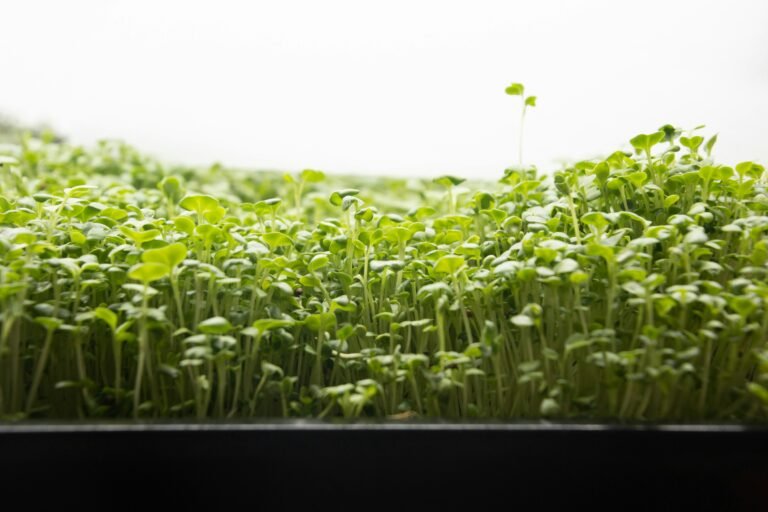
Microgreens need a place where trays can germinate, move under even light, be bottom-watered, and be removed for harvest and cleaning. A shelf multiplies capacity, but every active tier needs its own workable light layout. Water, crop debris, electrical cords, and food-contact tools need separation and a cleaning routine.
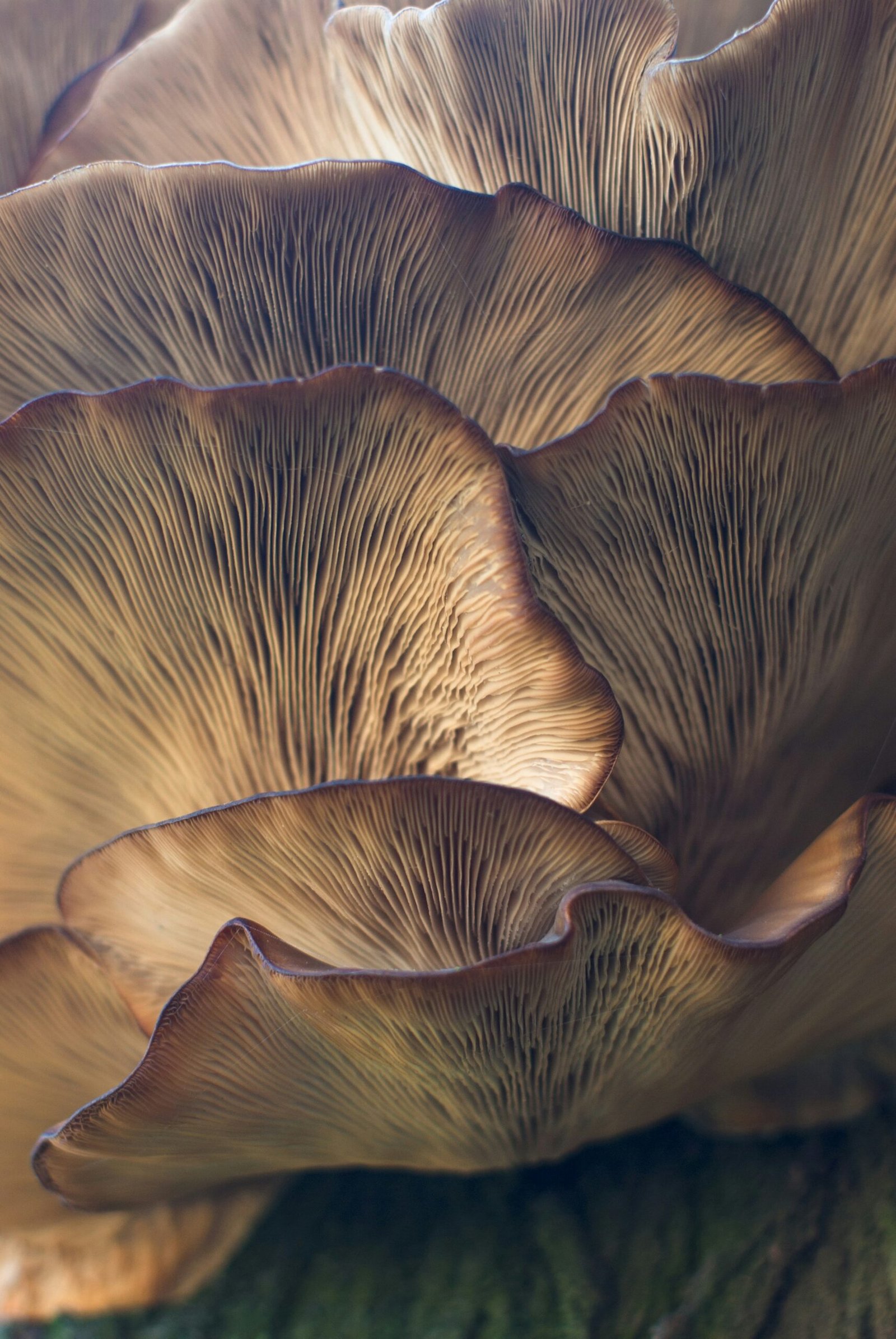
Mushroom fruiting replaces the light problem with an environmental problem. Oyster mushrooms, for example, need high humidity and enough fresh air to form well. A tent can contain that environment, but it also creates wet surfaces that must be cleaned and inspected. Mature oyster crops can release a visible load of spores. That matters in a bedroom, shared ventilation system, or home with respiratory sensitivities.
Before choosing either crop, read the lease, ask the insurer about home-based food production, and check zoning and local food rules. A spare room is not a regulatory category. It is simply a room in a home.
2. Microgreens vs mushrooms at beginner scale
A fair beginner comparison is not a few microgreens trays against a mushroom lab. It is a small microgreens test setup against a few purchased ready-to-fruit mushroom blocks. Making spawn, preparing substrate, sterilizing or pasteurizing material, and inoculating bags is a separate learning curve.
For microgreens, the first test covers seeding consistency, germination, lighting, watering, harvest, package quality, and sell-through. For mushrooms, it covers block handling, fruiting conditions, fresh-air exchange, harvest timing, quality, and sell-through. Run only enough units to repeat the process and serve a buyer sample.
Do not compare a discounted kit price with a complete business cost. The SBA startup-cost guide includes equipment, supplies, utilities, licenses, insurance, labor, marketing, and other categories that product lists often omit.
3. Microgreens vs mushrooms production clocks
Many microgreens move from sowing to harvest quickly, but the schedule varies by crop, temperature, seed lot, and method. The pressure is predictable: sowing dates create future harvest dates whether or not orders appear. The fastest-growing microgreens guide covers quick crops, but speed is useful only when the crop sells.
Mushroom timing depends heavily on the starting point. A ready-to-fruit block can produce much sooner than a bag you make from culture, grain spawn, and substrate. Fruiting can also arrive in flushes rather than a smooth daily quantity. Ask a block supplier for the expected process and variability, then record your own results.
With either crop, do not promise a standing weekly quantity after one successful cycle. Repeat the method, include failures, and leave capacity for cleaning and replacement.
4. Microgreens vs mushrooms food-safety work
FDA guidance says microgreens grown in substrate and harvested above it without roots are not subject to the sprout-specific Subpart M requirements. They can still be covered produce under the Produce Safety Rule unless an exclusion or exemption applies. The rule addresses areas such as agricultural water, worker hygiene, and equipment and sanitation for covered farms.
Mushrooms are also a food crop, but the hazards and controls depend on whether you buy finished blocks, prepare substrate, inoculate, package whole mushrooms, or make a processed product. A clean-looking tent does not answer those questions.
Start with the FDA Produce Safety Rule overview. Then ask the state agriculture or health agency which farm, facility, labeling, and retail rules apply to the exact production and sales method. The official guidance and rules in this article were checked on July 22, 2026.
5. Compare labor by task, not by crop reputation
Microgreens are often described as simple because the crop is small. The hidden labor is repetitive: weighing seed, sowing, moving trays, watering, checking, cleaning, harvesting, packing, labeling, selling, and delivering. A fast crop can create a fast recurring workload.
Mushrooms can look passive while a purchased block fruits, but the room still needs observation, humidity and air management, harvest timing, cleanup, and sales. If you make your own blocks, substrate preparation and inoculation add a different kind of labor and contamination control.
Time every task for three cycles. Include shopping, receiving, recordkeeping, cleaning, customer messages, and delivery. If you count only the pleasant growing work, both crops look more profitable than they are.
6. Microgreens vs mushrooms contribution
Revenue is the money collected. It is not profit. For each crop, subtract seed or block cost, substrate or medium, packaging, payment fees, expected loss, and variable delivery cost from the sale. The remainder is a contribution before labor and fixed overhead.
Next subtract labor at the hourly value you want the business to support, plus an allocation for utilities, insurance, permits, rent, equipment wear, marketing, and other fixed costs. Compare the result with the space occupied and the number of days that space is tied up.
The SBA break-even guide provides the basic contribution and break-even formulas. Use collected local prices. Do not borrow a restaurant price from another city or a national producer average.
The USDA NASS 2025 mushroom report is useful for national industry context. It is not a price sheet or profit forecast for an apartment grower. Its producer totals combine operations and markets that do not resemble a few specialty blocks sold locally.
7. Test microgreens vs mushrooms buyers separately
Some chefs, grocers, and farmers-market shoppers buy both products. That does not mean the customer lists are interchangeable. A restaurant may use oyster mushrooms by the case and microgreens only as an occasional garnish. Another may want a weekly mild mix and no mushrooms at all.
Bring a small, legal sample and ask specific questions:
- Which species or crop do you already buy?
- What package size and delivery day fit your kitchen?
- What quality problem would make you reject it?
- Would you place a paid trial order, rather than simply accept a free sample?
Our guides to selling microgreens to restaurants and selling at farmers markets cover those channels. Use the same interview discipline for mushrooms instead of assuming the buyer will take both.
8. Pick one crop system first
Running both from day one sounds diversified. In a small room it also means two environmental plans, two sanitation workflows, two production clocks, two sets of buyers, and twice as many reasons an unsold harvest can arrive at once.
Choose one crop for a limited pilot. Repeat at least three normal cycles, record all labor and loss, and secure a paid reorder before expanding. Add the second only if the room and cleaning workflow can keep it genuinely separate and the buyer demand is real.
Who should choose microgreens?
Microgreens are the better first test if you have a washable rack area, can manage lights and wet trays safely, like repeatable schedules, and already know buyers who want specific fresh greens. They also suit someone willing to sow and harvest frequently rather than wait for a less predictable flush.
Read how to start a microgreens business before treating a starter kit as the whole operation.
Who should choose mushrooms?
Mushrooms are the better first test if you can safely manage a humid fruiting enclosure with fresh-air exchange, have a plan for spores and wet surfaces, and have buyers for a named gourmet species. Starting with purchased blocks lets you test fruiting and sales before taking on spawn and substrate production.
The gourmet mushroom business guide goes deeper into that workflow.
Frequently asked questions
Are microgreens more profitable than mushrooms?
Not in a way that can be answered nationally. Profit depends on local selling price, sold quantity, input cost, crop loss, labor, space, delivery, and overhead. Compare contribution per sold unit and then subtract labor and fixed costs.
Which is easier in an apartment?
A few microgreens trays are usually simpler than a mushroom production lab, while ready-to-fruit mushroom blocks can be simpler than a multi-rack microgreens schedule. The apartment’s ventilation, washable space, lease, and food-business rules can change the answer.
Can I sell both to the same restaurants?
Some restaurants buy both, but do not assume overlap. Ask for a paid trial order for each product, package size, and delivery schedule.
Should I start both at once?
No, unless you already understand both workflows and have separate, suitable space. For a first side-hustle test, one crop provides cleaner records and cheaper mistakes.
The bottom line
In the microgreens vs mushrooms decision, microgreens offer a faster, schedule-driven tray workflow. Mushrooms offer a block-and-flush workflow with more demanding humidity and fresh-air management. Both still require food-safety controls, legal approval, cold handling, buyers, and honest cost records.
I enjoyed growing both, but I would not launch both together. Choose the room you can operate safely and the product someone has agreed to buy. Then let three ordinary cycles, not a viral income claim, make the next decision.