Why Houseplant Leaves Turn Yellow: 8 Reliable Checks
Last updated: July 23, 2026.
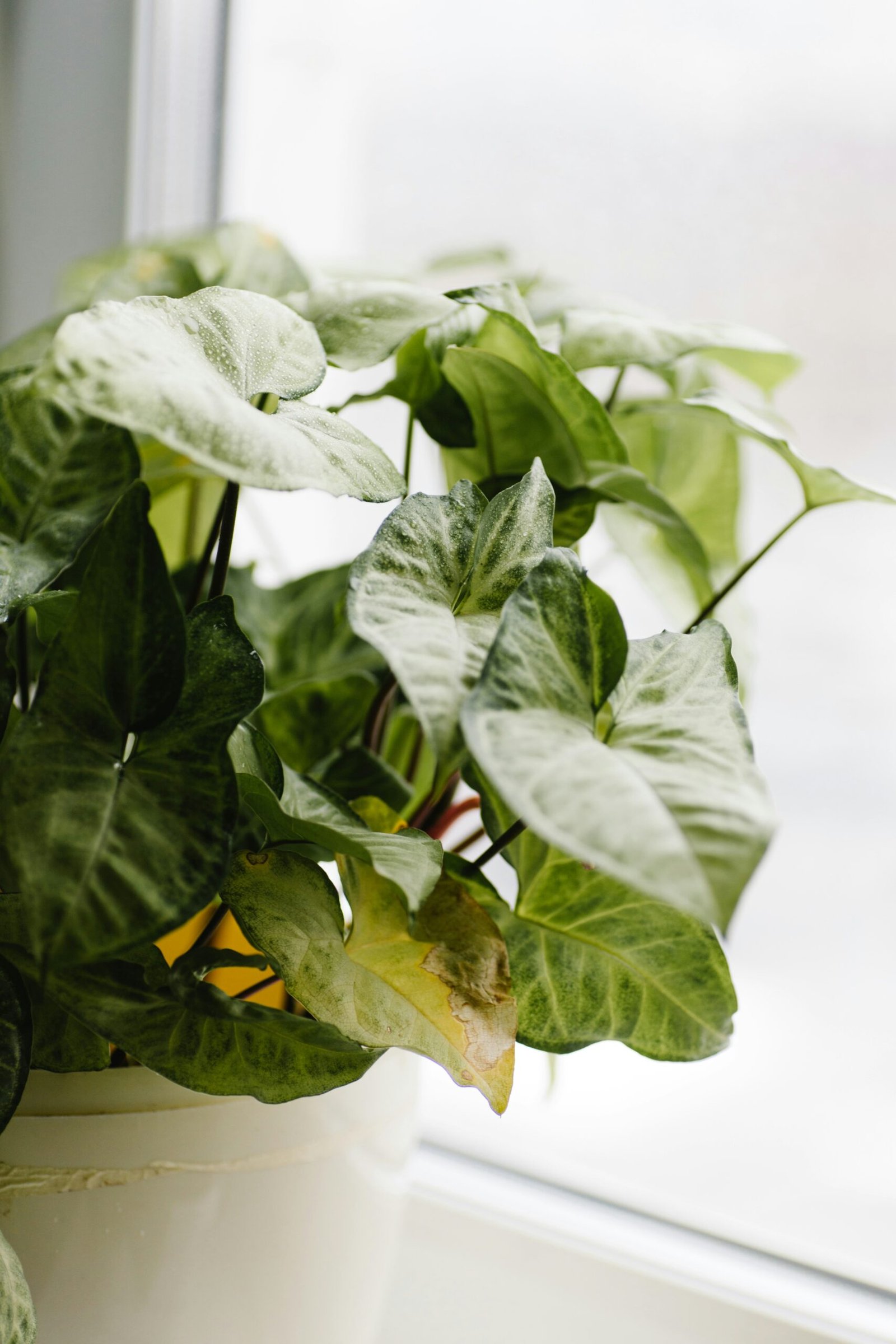
Why houseplant leaves turn yellow is rarely settled by color alone. The same yellow leaf can point to wet roots, a pot that has gone bone dry, weak light, pests, fertilizer salts, or normal aging. Color gets you into the right neighborhood. The pattern tells you which door to knock on.
Start here: For a complete overview, see our Indoor Gardening for Absolute Beginners.
I use the eight checks below in order. Start with the soil and roots because a watering problem can become serious quickly. Then inspect the leaf position, undersides, recent changes, and new growth. Do not fertilize first and hope for the best. A stressed root system cannot use a generous feed, and the extra salts may make things worse.
The pattern is a clue, not a lab result. Several problems can happen together, especially when low light keeps potting mix wet for too long. Change one part of the routine at a time and watch the next leaves, rather than expecting an old yellow leaf to become your progress report.
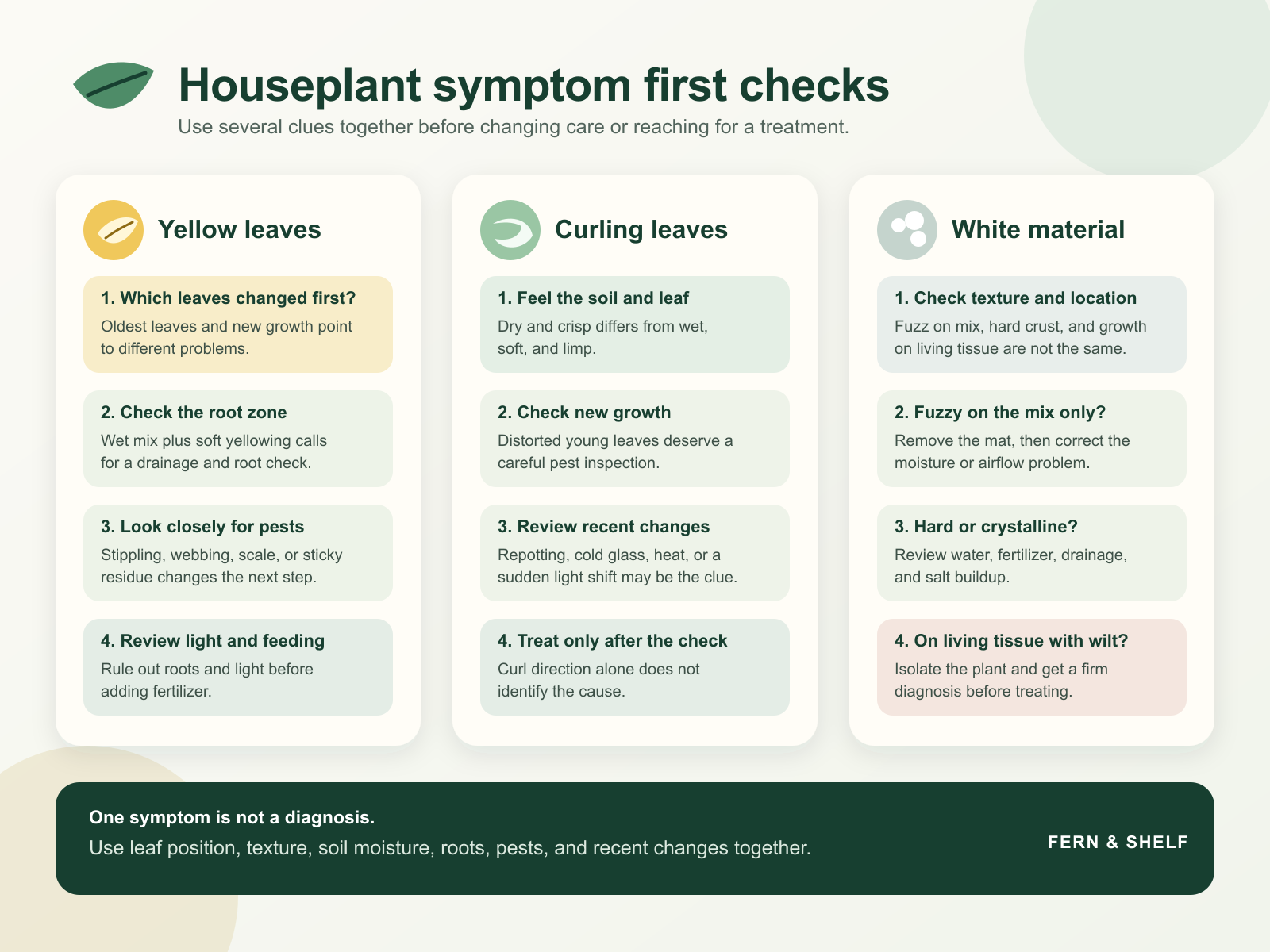
Yellow leaf diagnostic matrix
If you are trying to work out why houseplant leaves turn yellow, start with the row that matches the whole plant, not the most damaged leaf.
| What you see | Most useful next check | Likely direction | First move |
|---|---|---|---|
| One or two old lower leaves, with healthy new growth | Is the yellowing slow and limited to the oldest foliage? | Normal leaf aging | Remove the leaf when it releases easily and keep watching |
| Several yellow leaves, limp growth, and mix that stays wet | Lift the root ball and inspect roots | Excess water, poor drainage, or root rot | Stop adding water, drain the saucer, and assess the roots |
| Yellowing with dry brown margins, wilt, and a very light pot | Check moisture through the root zone | Drought or uneven watering | Water thoroughly if the mix accepts water, then correct the routine |
| Whole plant looks pale and stretched toward a window | Compare growth nearest and farthest from the light | Insufficient light | Move gradually to a brighter suitable spot |
| Tiny pale dots, webbing, sticky residue, or visible insects | Inspect both leaf surfaces with bright light | Mites or another sap-feeding pest | Isolate the plant and identify the pest before treating |
| Yellow tissue between green veins | Note whether old or new leaves changed first | Nutrient availability, root injury, or unsuitable pH | Check roots and care history before adding fertilizer |
| Brown tips, yellow margins, and a pale crust on soil or pot | Review fertilizer rate and water quality | Soluble salt injury | Pause feeding and leach the mix if the plant and pot allow it |
| Sudden damage after a move, cold night, or strong sun | Match the damaged side to the exposure | Temperature or light shock | Stabilize conditions and avoid another abrupt move |
This matrix narrows the search. It cannot identify every plant problem from a photograph. The University of Maryland Extension makes the same point in its guide to yellowing leaves on indoor plants: pattern and progression matter, and environmental stress is often mistaken for a pest or disease.
A five-minute diagnosis before you change anything
1. Feel deeper than the soil surface
A dry top inch does not prove that the whole pot is dry. Push a wooden skewer into the mix, feel through a drainage hole, or lift the pot and compare its weight with the same pot after watering. If the root zone is still cool and damp, leave the watering can alone.
2. Check the roots when the plant is declining fast
Gently slide the root ball out if several leaves are yellowing, the plant is wilting in wet mix, or the pot smells sour. Healthy roots are generally firm and pale. Dark, soft roots point toward decay. If that is what you find, use the full overwatered plant rescue process rather than waiting for the pot to dry on its own.
3. Inspect the undersides, stems, and leaf joints
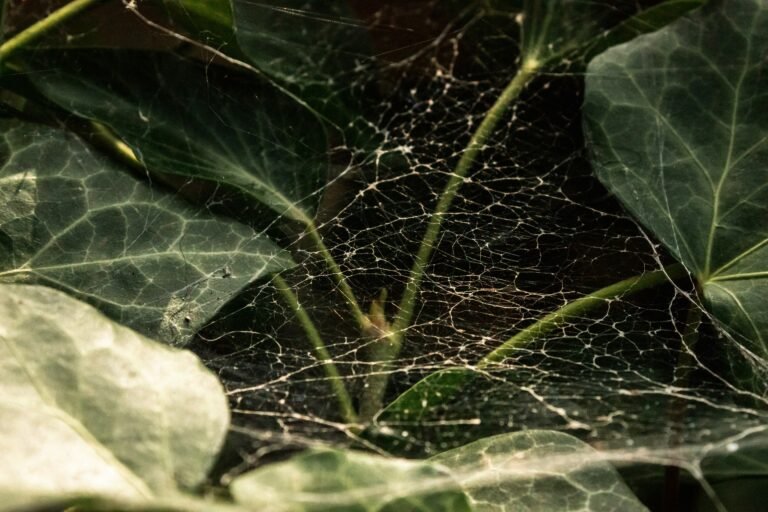
Use a phone flashlight. Look for moving specks, fine silk, cottony clusters, scale-like bumps, and sticky honeydew. A sheet of white paper under the leaf makes mites easier to spot: tap the foliage and watch for tiny moving dots.
4. Mark which leaves changed first
Old leaves and new leaves are not interchangeable evidence. Uniform yellowing that begins low on the plant can fit nitrogen shortage, but it also fits normal aging, prolonged drought, and wet-root stress. Yellow tissue between green veins on young leaves can point toward iron availability. Roots, watering, and potting mix still need to be checked before fertilizer earns the blame.
5. Rebuild the last three weeks
Did the plant move to another window? Did the heat or air conditioner come on? Was it repotted, fed, left standing in a decorative cachepot, or allowed to dry while you were away? A recent change often explains more than the leaf color does.
Why houseplant leaves turn yellow in different patterns
1. Excess water and damaged roots
Overwatering means the root zone stays wet for too long. It is not simply the number of times you pick up the watering can. A large pot, dense mix, low light, cool room, or blocked drainage can keep roots short of oxygen even when you water infrequently.
The University of Maryland Extension calls overwatering the leading reason indoor plants fail. Its indoor plant diagnostic guide tells readers to check drainage and inspect the roots, since decayed roots are dark and soft instead of pale and firm. Look for a pot that remains heavy, limp foliage in wet mix, yellowing across several leaves, fungus gnats, and dark soft roots.
Empty standing water from the saucer. Check that drainage holes are open. If the roots are still firm, wait until the plant reaches its normal watering threshold before watering again. If roots are soft or the crown is collapsing, move to the rescue steps above. After recovery, the guide on how often to water indoor plants helps rebuild the routine around the plant and season instead of a calendar.
2. Drought or water that never reaches the roots
A thirsty plant often feels different before it looks different. The pot becomes light, stems lose firmness, and the mix may pull away from the container. Yellowing can spread from older leaves, while margins turn dry and brown. University of Maryland Extension lists drought among the environmental stresses that can yellow indoor plants, but those signs overlap with other problems.
Water slowly until the entire root ball is moist and excess drains out. If water races down a gap and leaves the middle dry, soak the nursery pot briefly, then let it drain completely. A root-bound plant that dries again within a day or two may need a slightly larger pot and fresh mix.
3. Too little usable light
Low light usually works slowly. The plant becomes pale, new leaves stay small, and spaces between leaves lengthen as stems lean toward the window. University of Minnesota Extension lists pale green to yellow foliage and leggy growth among the signs of insufficient light.
Move the plant closer to a suitable window in stages, or add a grow light that fits the species. Do not carry a shade-grown plant straight into harsh afternoon sun. If the room will remain dim, choose from the low-light plants that cope best, while remembering that low light is not the same thing as darkness.
4. Mites and other sap-feeding pests
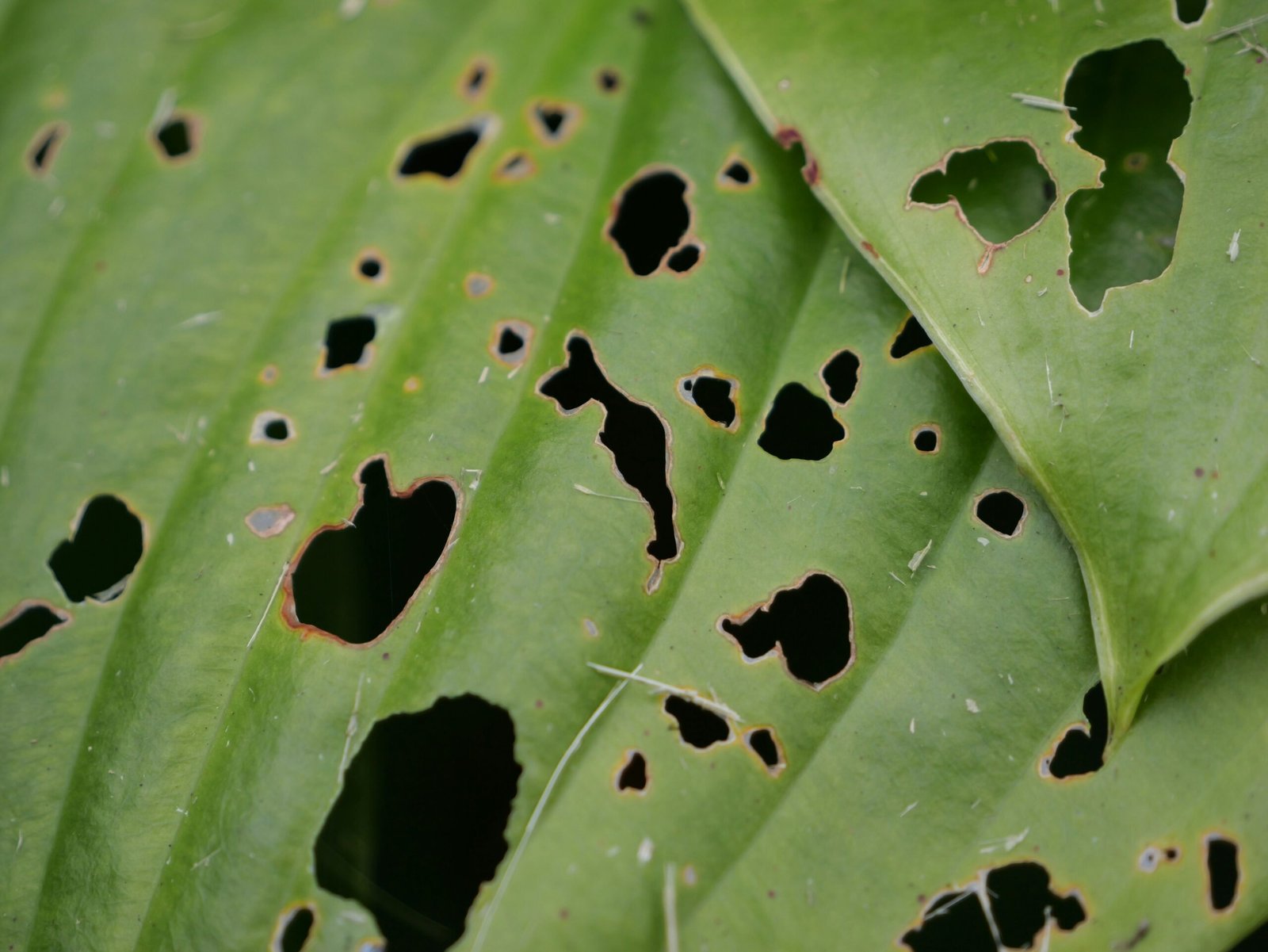
Spider mite damage begins as tiny pale or yellow dots called stippling. A heavy population may add fine webbing. University of Minnesota Extension recommends checking both leaf surfaces and tapping suspect foliage over white paper. Sticky residue points more toward aphids, scale, mealybugs, or whiteflies.
Isolate the plant before moving it across the room for better light. Then identify the pest. The treatment for mites is different from the fix for wet roots, and spraying a badly stressed plant adds another burden. If you confirm stippling, moving specks, or webbing, follow the spider mite treatment schedule.
5. Nutrient shortage or poor nutrient availability
True nutrient problems have patterns, but the pattern is not proof by itself. Nitrogen shortage tends to affect older leaves first and produces fairly uniform yellowing. Iron chlorosis tends to show first on young growth, with greener veins running through yellow tissue. Root damage, high pH, and persistent wetness can keep a nutrient unavailable even when it is present in the mix.
Rule out water, root, light, and pest problems first. If the plant is actively growing, the roots are healthy, and the potting mix is old or depleted, follow the measured approach in our houseplant fertilizer guide. Use the product label for the exact rate. More fertilizer is not a faster cure.
6. Fertilizer salts and hard-water buildup
A pale crust on the soil or pot rim, yellow margins, brown tips, stalled growth, and damaged roots can point toward soluble salts. Fertilizer is one source. Hard water and softened water can contribute too. The University of Maryland Extension includes high soluble salts among causes of foliage that fades, yellows, browns, or wilts.
Pause feeding. If the pot drains freely and the plant is not already waterlogged, leach the mix with plain water and let it drain. Severe buildup may call for fresh potting mix. When browning is more obvious than yellowing, use the separate guide to brown tips on houseplant leaves.
7. A sudden change in temperature or light
Damage that appears soon after a move deserves its own line of inquiry. Cold glass, a drafty door, an air-conditioning vent, or an abrupt jump into direct sun can injure the exposed side first. Illinois Extension includes sudden temperature and light changes among common causes of leaf drop and poor foliage color.
Move the plant away from the extreme, then hold conditions steady. Do not compensate for cold injury by watering extra. If the main symptom is folded or rolled foliage, the leaf-curling diagnostic guide is the better route.
8. Normal aging
Plants retire leaves. One old lower leaf can turn yellow while the rest of the plant keeps growing normally. That is usually maintenance, not an emergency. Trouble begins when several leaves change quickly, new foliage is affected, stems weaken, or the root zone tells a different story.
Wait until the leaf is fully yellow and releases with a gentle pull, or cut it with clean scissors. Keep the plant’s normal care steady. A fertilizer dose for one aging leaf is more likely to create a new problem than solve one.
Can a yellow leaf turn green again?
A partly pale leaf may regain some color if the cause is corrected early. A fully yellow leaf usually does not return to its old green state. Judge the fix by what happens next: yellowing stops spreading, stems regain firmness, and new leaves open with normal color and shape.
Give the plant time, but do not wait on a collapsing crown or dark soft roots. Those need action now. For everything else, take a photo, write down what you changed, and compare the next two weeks. Plant memory is unreliable. A dated photo is not.
If you still cannot tell why houseplant leaves turn yellow after these checks, ask a local Extension office or reputable nursery to inspect the whole plant and root ball. Bring the care history too. The watering dates and recent changes may matter more than the leaf you carry in.
Extension sources used for this diagnosis
- University of Maryland Extension: Yellowing Leaves on Indoor Plants
- University of Maryland Extension: Diagnose Indoor Plant Problems
- University of Minnesota Extension: Lighting for Indoor Plants
- University of Minnesota Extension: Twospotted Spider Mites
- Colorado State University Extension: Plant Nutrition
- Illinois Extension: Houseplant Troubleshooting