Brown Tips on Houseplant Leaves: Why It Happens and How to Stop It
Last updated: 22.06.2026.
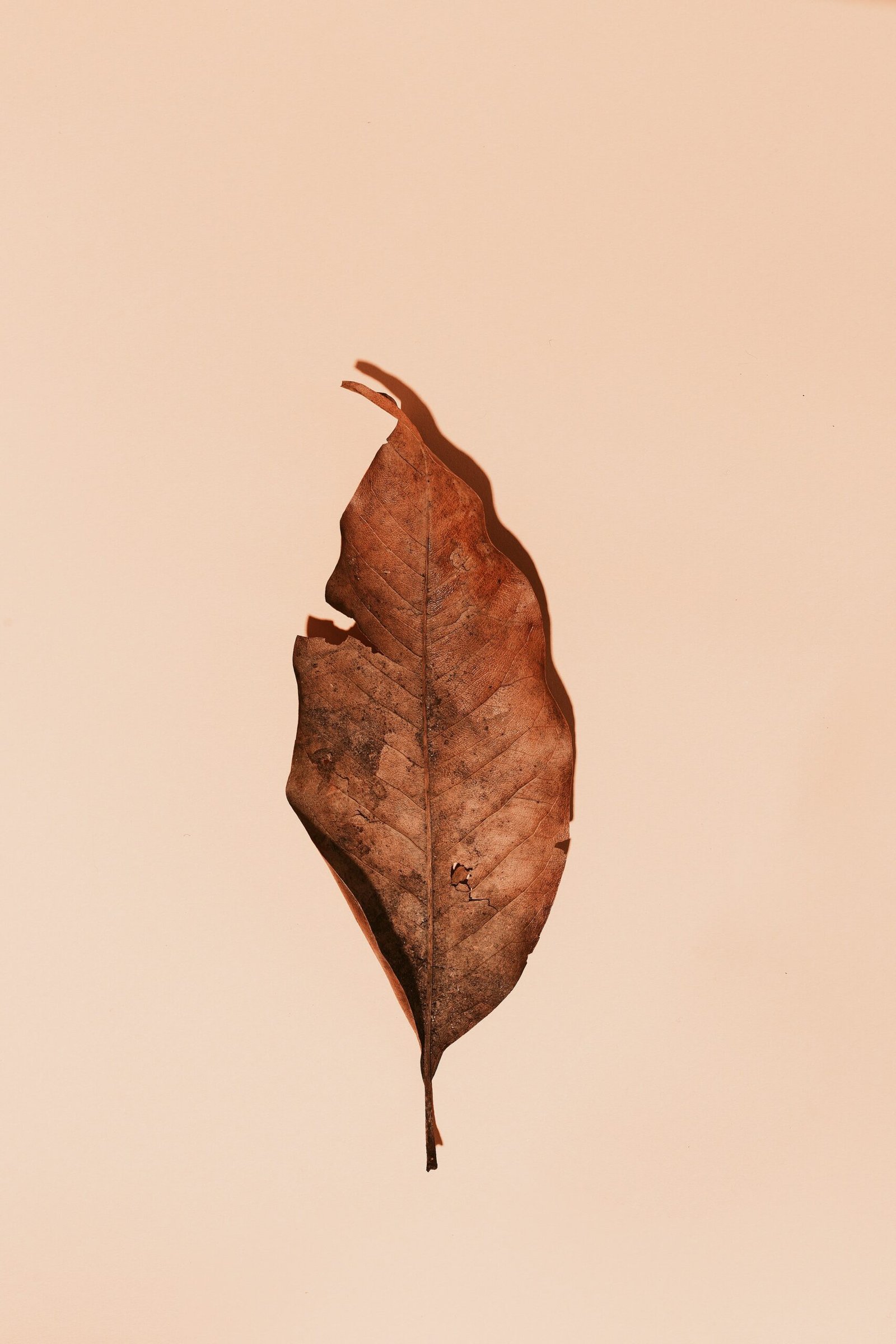
Brown, crispy tips on otherwise healthy leaves are maybe the most common houseplant complaint there is. The plant is not dying, it is not covered in pests, it just has these dry brown edges that look bad and keep spreading. It is the plant equivalent of chapped lips: rarely serious, almost always a sign of one specific thing being off.
Start here: For a complete overview, see our Indoor Gardening for Absolute Beginners.
The frustrating part is that brown tips have several possible causes that all look identical. So this is a diagnosis guide. Work through the likely culprits in order, match the pattern, and fix the right one. And one comforting fact first: a brown tip that has already happened will not turn green again, so the goal is stopping new ones, not reviving the old.
First, the comforting context
A few brown tips on a generally healthy plant are extremely common and not an emergency. Many popular houseplants, especially ones with thin or dramatic leaves like calatheas, spider plants, and palms, are simply prone to it. You are managing it, not curing a disease.
You can trim the brown tips off with clean scissors purely for looks. Cut following the leaf’s natural shape and leave a thin sliver of brown rather than cutting into green, which just creates a new brown edge. Now, the causes.
Cause 1: Low humidity (the most common)
This is the number one reason, especially in winter. Most popular houseplants are tropical and want more moisture in the air than a typical heated or air-conditioned home provides. Dry air pulls moisture from the leaf faster than the plant can replace it, and the thinnest part, the tip, dries out first.
The tell: brown, crispy, dry tips, often worse in winter when heating runs, and common on humidity-lovers (calathea, fern, prayer plant, palms).
The fix: raise the humidity. Group plants together, move them to a naturally humid bathroom or kitchen (the bathroom humidity plant list thrives there), set pots on a pebble tray, or run a small cool-mist humidifier, which is the most effective option. Dry indoor air is a big part of winter houseplant care, and a German Altbau or a centrally heated US apartment both run dry in the cold months.

Cause 2: Inconsistent watering
Both underwatering and erratic watering cause brown tips. If a plant dries out too much between waterings, or you water heavily then forget for two weeks then water heavily again, the stress shows up as crispy edges.
The tell: brown tips plus soil that is often bone dry, or a clear feast-and-famine watering pattern.
The fix: water more consistently. Check the soil regularly and water when the top inch is dry, rather than on an erratic schedule. The full method is in how often to water indoor plants. Note that constant overwatering causes a different look, soft yellowing and mushy root rot, rather than dry crispy tips.
Cause 3: Fertilizer burn or salt buildup
Too much fertilizer leaves salts in the soil that damage roots and burn leaf tips brown. If you feed often and also see a white crust on the soil or pot rim, this is likely your cause.
The tell: crispy brown tips plus a white crust on soil or rim, on a plant you fertilize regularly.
The fix: flush the soil by running water through the pot several times to wash out the salts, then feed less and more diluted. The right approach is in how to fertilize houseplants, where the rule is dilute more than the label says.
Cause 4: Tap water sensitivity (fluoride, chlorine, salts)
Some plants, especially spider plants, dracaenas, calatheas, and prayer plants, are sensitive to the fluoride, chlorine, and mineral salts in tap water. These build up and brown the tips.
The tell: brown tips specifically on known sensitive plants, despite good humidity and watering.
The fix: water with filtered, distilled, or rainwater, or leave tap water out overnight before using it (this lets some chlorine dissipate, though not fluoride). For most plants tap water is fine, so only chase this one for the sensitive species above.
Cause 5: Too much direct sun or heat
Occasionally brown tips and patches come from scorching, a plant getting more harsh direct sun than it likes, or sitting too close to a hot radiator or heat vent.
The tell: brown or bleached patches on the side facing the window or heat source, on a plant that prefers indirect light.
The fix: move it back from intense direct sun or away from the heat source. Match the plant to its light, the low-light plants guide covers which plants want less.
How to diagnose yours quickly
Run this checklist:
- Is the air dry, especially in winter? Most likely humidity. Add moisture.
- Is the soil often bone dry or watered erratically? Inconsistent watering. Water steadily.
- White crust on the soil and you fertilize a lot? Salt buildup. Flush and feed less.
- A known sensitive plant despite good care? Try filtered water.
- Brown patches facing a window or radiator? Scorch. Move it.
Most of the time, indoors, it is humidity or watering, and fixing those two solves the majority of brown-tip cases. Trim the existing crispy bits for looks, fix the underlying cause, and watch the new growth come in clean. Brown tips are the plant telling you about its environment, and once you learn to read which cause it is, they are one of the easiest problems to put right.