Can You Reuse Old Potting Soil? (Yes, But Read This First)
Last updated: 07.07.2026.
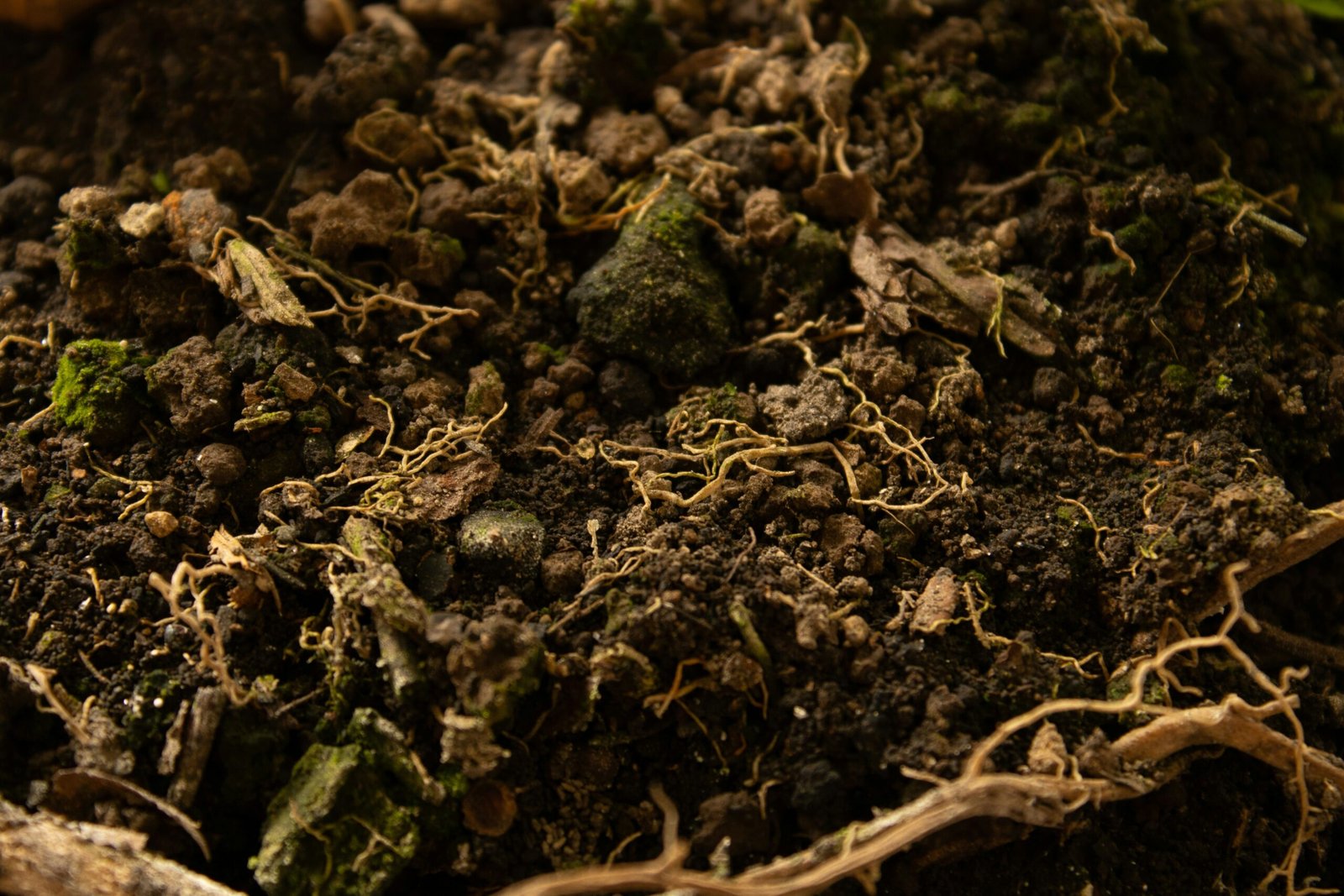
Every time I repot something, I end up staring at a pile of old soil and the same question: do I throw this out or can I use it again? Bags of mix are not free, and dumping perfectly good-looking soil feels wasteful. So can you reuse old potting soil? Short answer: yes, usually, with a couple of important exceptions and a quick refresh. Let me walk through exactly when it is fine, when it is not, and how to bring old soil back to life.
Start here: For a complete overview, see our Indoor Gardening for Absolute Beginners.
The short answer
You can reuse old potting soil in most cases, as long as it came from a healthy plant and you refresh it before reusing. Old soil loses its structure and nutrients over time, so you cannot just scoop it into a new pot and expect the same results. But with a bit of amending, reused soil is perfectly good for most plants and saves you money and waste.
The two situations where you should NOT reuse it are the important part, so start there.
When you must NOT reuse old soil
Throw it out (do not reuse for houseplants) if:
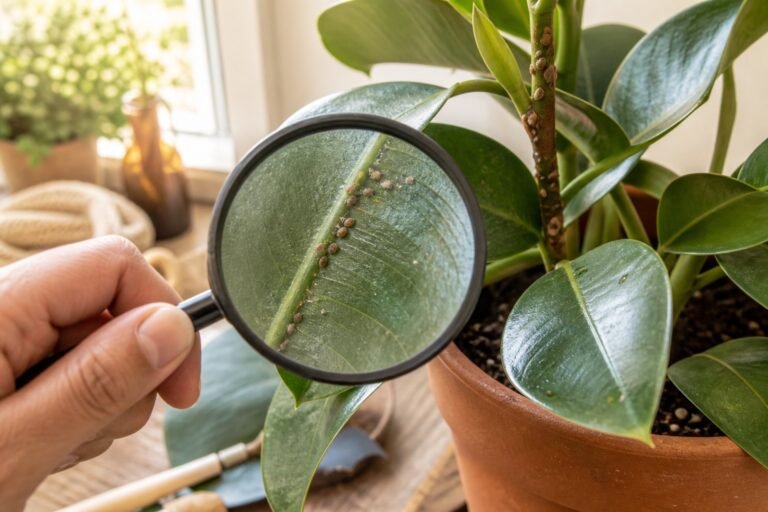
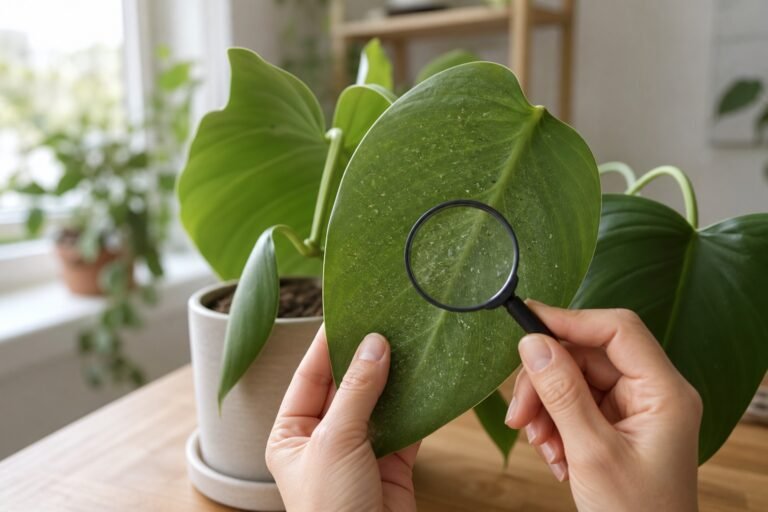
The plant died of disease, root rot, or pests. If the previous plant had root rot, a fungal disease, or a pest infestation like fungus gnats or root mealybugs, the soil is contaminated. Reusing it just passes the problem to the next plant. Bin it (or send diseased soil to green waste, not your other pots).
It smells sour or is full of mold. Old soil that smells rotten or is riddled with white mold has gone anaerobic or fungal. Not worth saving for indoor use.
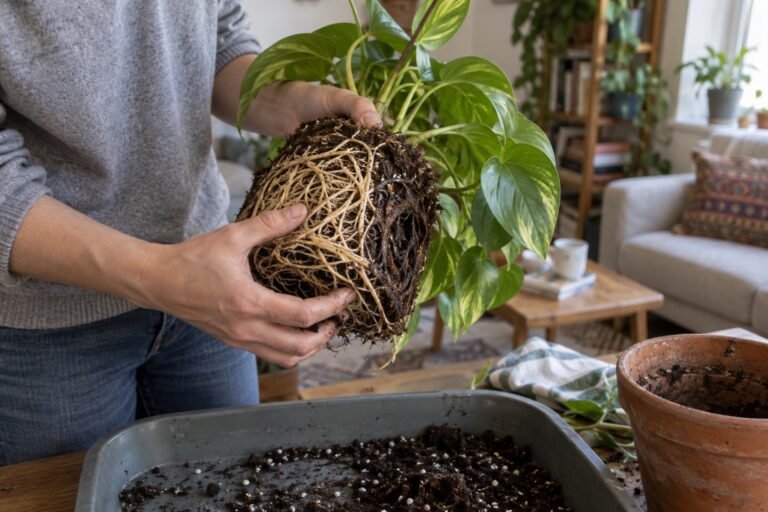
If the old soil is from a plant you simply repotted because it outgrew its pot, and the plant was healthy, you are good to reuse it. That is the common case.
Why old soil needs refreshing
Even healthy old soil is not as good as it was. Over a year or two in a pot, three things happen:
- It compacts. The structure breaks down, so it holds less air and drains worse.
- The nutrients are used up. The plant ate them. Old soil is depleted.
- It can become water-repellent. Very dry old soil (especially peat-based) sometimes goes hydrophobic and stops absorbing water properly.
So reusing old soil is not about scooping it straight back, it is about rebuilding what it lost. That takes about five minutes.
How to refresh old potting soil (step by step)
1. Sift out the old roots and debris. Pull out old root balls, dead leaves, and any clumps. A quick sift through your fingers or a coarse sieve is enough.
2. Optionally sterilize it. If you want to be safe about pests and weed seeds, spread the moist soil on a tray and bake it at about 180 to 200°F (82 to 93°C) for 30 minutes, or solarize it in a sealed black bag in the sun. This kills fungus gnat larvae and pathogens. Optional for healthy soil, worth it if you are unsure.
3. Amend it to rebuild structure. Mix the old soil roughly half-and-half with fresh material to restore lightness and drainage. Add perlite for air and some fresh coco coir or potting mix for body. Our soil amendments guide explains what each one does.
4. Add nutrients back. Since old soil is depleted, mix in some worm castings or compost, or plan to feed the plant sooner, following how to fertilize houseplants.
That is it. Refreshed old soil plus a bit of fresh amendment is genuinely good growing medium.
When it is worth just buying fresh instead
Reusing is great, but sometimes fresh is the smarter call:
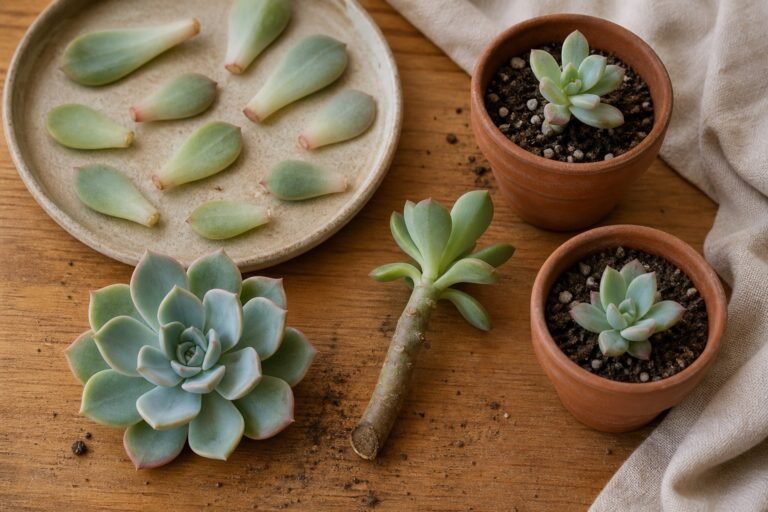
- For seedlings, cuttings, and fragile plants, use fresh sterile mix, since young roots are vulnerable to any leftover pathogens.
- For your most valuable or fussy plants, do not gamble with old soil.
- When you need a specific soil type (a fast-draining succulent blend, for example), starting fresh is easier.
In those cases, a fresh bag is cheap insurance. For which one to buy, see the best potting soil for indoor plants, and a bag runs only a few dollars (about $8 to $15, £6 to £12, €9 to €14) at any garden centre. A good habit is to keep a bag of fresh mix on hand and stretch it by blending it with refreshed old soil, so you get the savings of reuse and the reliability of fresh.
The frugal, low-waste approach
Here is how I do it now: healthy old soil gets sifted, amended with perlite and a scoop of fresh mix and worm castings, and reused for tough, forgiving plants (pothos, snake plants, herbs). Diseased or moldy soil gets binned. Fresh bagged mix is reserved for seedlings and special plants. That balance saves money, cuts waste, and keeps my plants healthy. Reusing potting soil is not just fine, it is the sensible thing to do, as long as you refresh it and know the two times to say no.