How to Get Rid of Mealybugs on Houseplants (The Routine That Actually Clears Them)
Last updated: 13.06.2026.
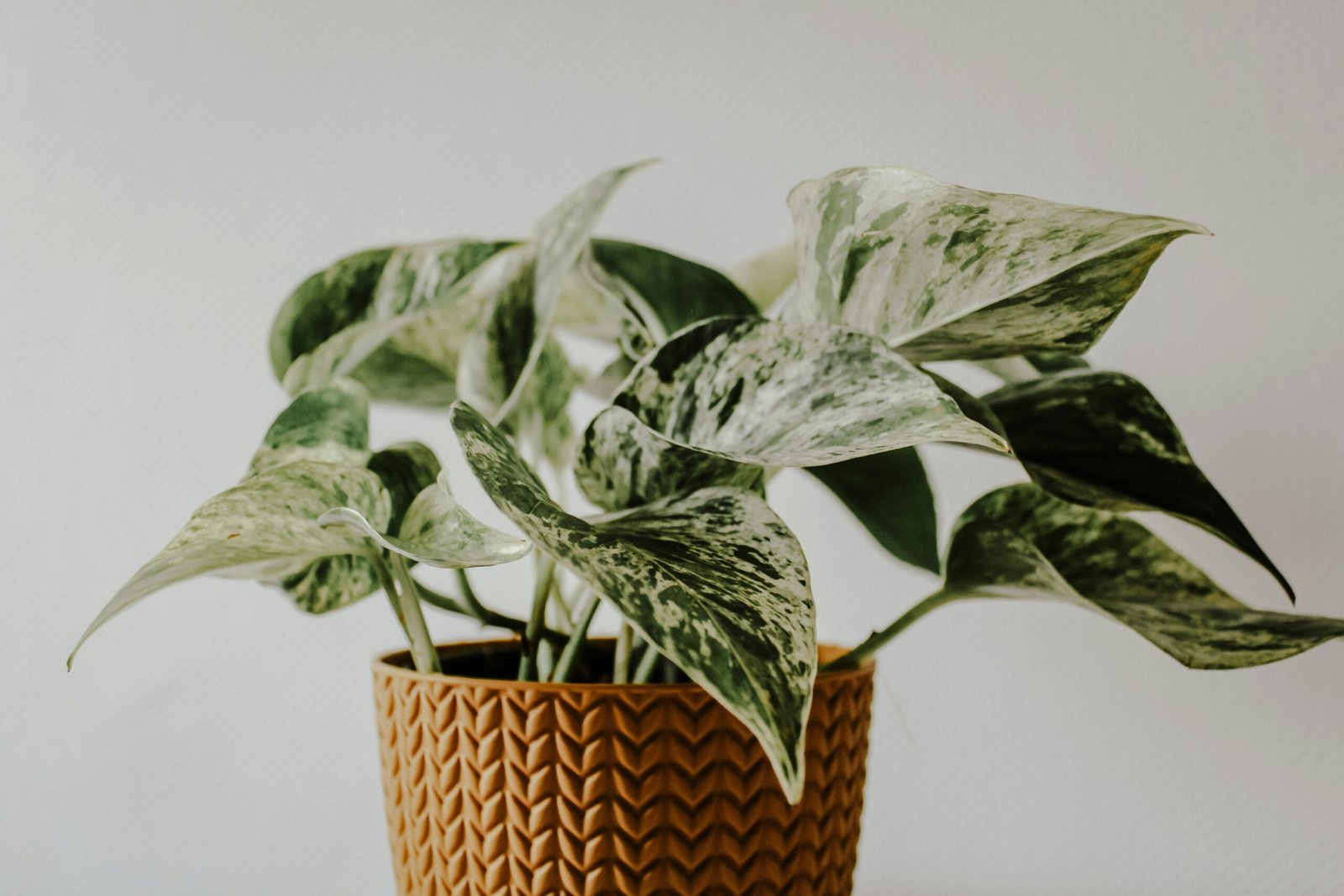
I thought it was mold at first. Little white fuzzy specks tucked into the joints where the leaves met the stem of my favorite hoya. I wiped them off and went on with my day. Two weeks later they were everywhere, the leaves were going sticky, and I had a full mealybug problem on my hands.
Start here: For a complete overview, see our Indoor Gardening for Absolute Beginners.
Mealybugs are the slow-motion houseplant pest. They do not swarm like fungus gnats or spin webs like spider mites. They just sit there in the crevices looking like bits of cotton, quietly multiplying and sucking the sap out of your plant until it starts to yellow and weaken. The good news is they are very beatable. The bad news is you cannot do it in one go. It takes a routine. Here is the one that works.
First, confirm it is actually mealybugs
The giveaway is the white, cottony, waxy clumps, usually hiding where leaves join stems, on the undersides of leaves, and sometimes down at the soil line on the roots. They look like tiny tufts of cotton wool or specks of flour that do not brush away cleanly.
Two other signs confirm it: a sticky residue (called honeydew) on the leaves or the surface below the plant, and sometimes a black sooty mold growing on that sticky residue. If you see white fuzz plus stickiness, it is mealybugs. They are different from the webbing of spider mites, covered in how to get rid of spider mites, and different again from soil-dwelling fungus gnats, so it helps to know which one you actually have before you treat.
Step 1: Quarantine the plant immediately
This is the step people skip and then regret. Mealybugs spread from plant to plant, crawling across touching leaves or hitching a ride. The moment you spot them, move that plant away from every other plant in the house. A separate room, a windowsill on its own, anywhere isolated. Then check the plants that were sitting next to it, because there are often early-stage bugs you have not noticed yet.
For a preventive setup before any pest is visible, the guide to how to quarantine a new houseplant covers inspection, monitoring, and release criteria.

Step 2: Spot-treat with alcohol (the fast knockdown)
For the bugs you can see, 70% isopropyl alcohol is your first weapon. Dip a cotton swab in it and touch each mealybug directly. The alcohol dissolves their waxy coating and kills them on contact, and you will see them go from white to translucent. A bottle of isopropyl alcohol and a bag of cotton swabs is all you need, for about $5 to $8 (£4 to £6, €5 to €7) at any US drugstore, a UK Boots, or a German dm-drogerie markt.
For a heavier infestation, mix a little alcohol with water in a spray bottle and mist the affected areas, but always test on one leaf first since some sensitive plants react. Wipe the dead bugs and residue off afterward.
Step 3: Treat the whole plant (the follow-through)
Spot-killing the visible bugs is not enough, because the ones you cannot see, plus the eggs, are still there. This is why mealybugs come back for people who stop after step two.
Treat the entire plant, every leaf, both sides, every joint and crevice, with one of these:
- Insecticidal soap. A ready-made insecticidal soap spray coats and smothers them. Gentle, effective, repeat every few days.
- Neem oil. A neem oil concentrate mixed with water and a drop of mild soap disrupts their life cycle and deters new ones. Apply in the evening, not in direct sun, to avoid leaf burn.
Whichever you choose, the key word is repeat. Mealybug eggs hatch in waves, so a single treatment misses the next generation.
Step 4: Repeat every 5 to 7 days until they are gone
This is the whole secret, and the reason “I tried neem once and they came back” is so common. You need to break the breeding cycle, which means treating again every 5 to 7 days for at least three to four weeks, even after you stop seeing them. Keep checking the hidden spots: leaf joints, new growth, the underside of leaves, and the soil surface.
Mark it on your calendar so you do not lose track. Skipping a week is how an almost-cleared plant becomes a full infestation again.
Step 5: Check the roots if it keeps coming back
If you have treated faithfully and they still return, the culprit may be root mealybugs living in the soil. Slide the plant out of its pot and look at the root ball for the same white waxy specks. If you find them, repot into fresh sterile potting mix after rinsing the roots, and discard the old soil. The repotting basics are in how to repot a houseplant.
Related guides and tools
How to stop them coming back
Prevention is mostly vigilance:
- Quarantine every new plant for two to three weeks before it joins the others. Most infestations arrive on a new plant from the shop. A spare shelf or a north-facing windowsill in a Berlin Altbau or a London flat works as a holding zone.
- Inspect regularly. Check the crevices of your plants when you water. Catching a few mealybugs early is a five-minute job. Catching hundreds late is a month-long campaign.
- Keep plants healthy. Stressed, overwatered, or over-fertilized plants are more attractive to pests. Right-sized watering (see how often to water indoor plants) keeps plants strong and less inviting.
- Wipe leaves during routine care so you spot trouble and remove dust at the same time.
Mealybugs feel demoralizing because they look like your plant has a disease and they keep reappearing. But they are not a death sentence, just a slow, beatable nuisance. Isolate the plant, knock down what you can see with alcohol, treat the whole plant with soap or neem, and above all repeat the treatment for a few weeks past the point where you think you are done. That last bit of patience is what actually clears them. My hoya pulled through, and so will yours.
A reminder for the worried: mealybugs harm plants, not people or pets, so there is no rush beyond saving the plant. Steady routine beats panic every time.