Indoor Plants for Studio Apartments: 10 Picks That Won’t Take Over Your Space
Last updated: 31.05.2026.
Affiliate disclosure: As an Amazon Associate I earn from qualifying purchases. Links marked “paid link” may earn Fern & Shelf a commission at no extra cost to you. Read our full Affiliate Disclosure.
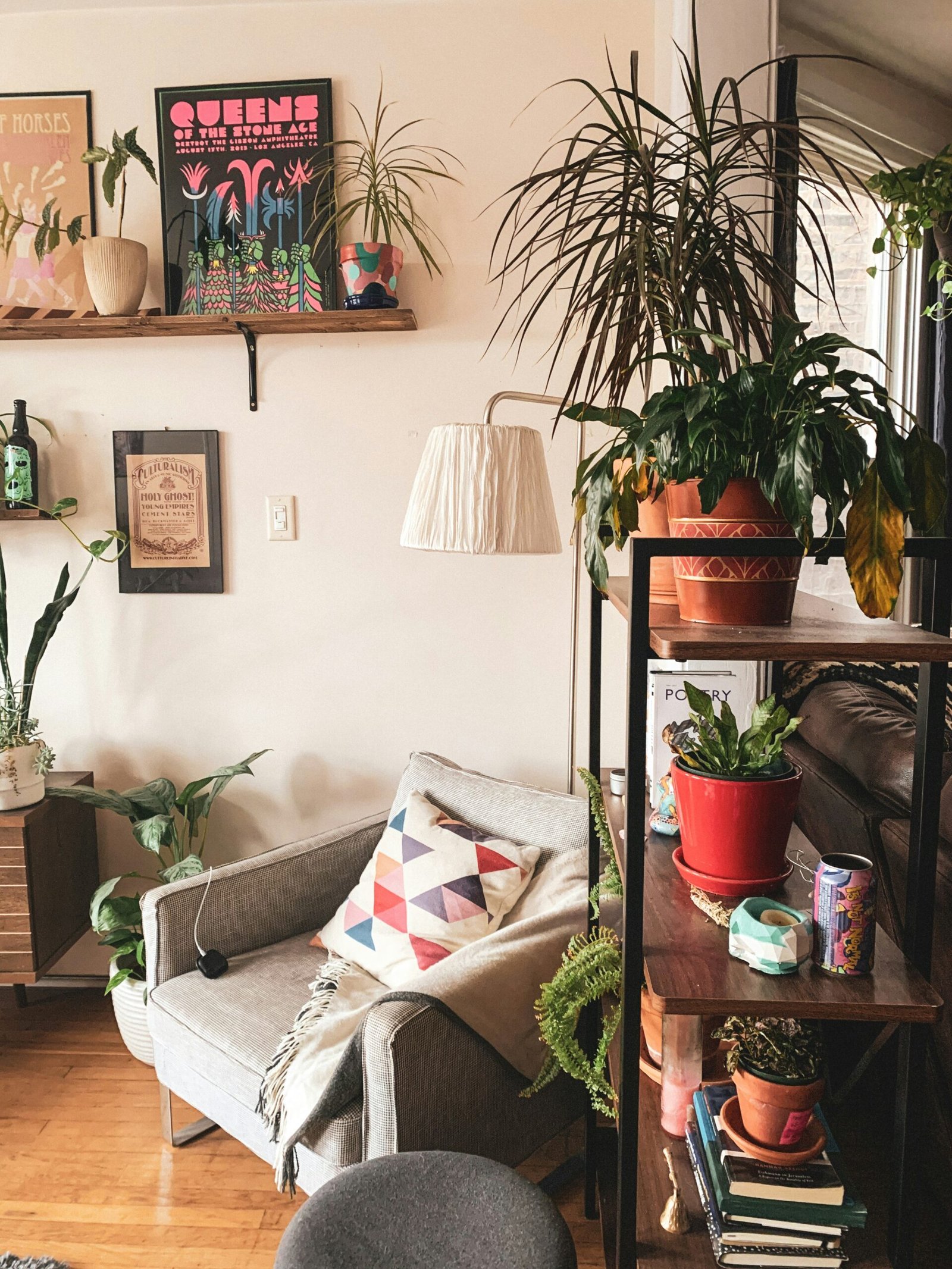
The mistake most studio apartment dwellers make with plants is the same mistake first-time gardeners make everywhere: they buy too many, too fast, and end up with either dead plants or a cluttered apartment where every surface is occupied.
In a studio, plant selection matters more than in larger spaces. Pick the wrong plants — the wrong size, the wrong shape, the wrong growth habit — and within a year you’ll be living with vines crawling across your ceiling and a 5-foot fiddle-leaf fig in your only good window spot. Pick the right plants and you’ll have a calm, alive space that doesn’t feel crowded.
These ten plants are specifically chosen for studio apartments. Each one stays compact, doesn’t outgrow its space, and works visually with limited square footage.
What “good for studios” actually means
The criteria for a studio-friendly plant:
- Stays small or grows slowly. Plants that triple in size every year become problems fast.
- Compact form (not sprawling). Tight rosettes, upright growth, or contained trailers work; wide spreading plants don’t.
- Doesn’t shed heavily. Cleanup of dropped leaves in a small space gets old fast.
- Tolerates the light you actually have — usually limited and inconsistent in studios.
- Visually serves the space. A studio is your whole apartment; the plants are part of the décor.
Every plant below meets all five criteria.
1. Snake plant (small or dwarf variety)
The bulletproof studio plant. Look specifically for the ‘Hahnii’ or ‘Birdsnest’ dwarf varieties (8–12 inches tall) rather than the standard 3-foot-tall snake plant — the dwarf stays small forever.
- Light: Anything from bright indirect to dim.
- Water: Every 3–4 weeks.
- Why it works in a studio: Vertical form takes up minimal floor space. Modern, architectural look that suits small apartments.
For complete snake plant care, see how to stop killing your snake plant.
Dwarf snake plant on Amazon → (paid link)
2. ZZ plant
Similar architectural look to a snake plant, but with glossy waxy leaves on arching stems. Grows slowly — a small ZZ stays small for years. Bulletproof.
- Light: Low to medium.
- Water: Every 3–4 weeks.
- Why it works in a studio: Sculptural shape, narrow footprint, almost impossible to kill.
ZZ plant live on Amazon → (paid link)
3. Pothos (compact variety like ‘Pearls and Jade’)
Standard golden pothos can grow 10+ feet in a year if given the chance. For studios, pick a compact variegated pothos like ‘Pearls and Jade’, ‘Manjula’, or ‘N’joy’ — these have similar care needs but much smaller, slower growth.
- Light: Anything from bright indirect to surprisingly dim.
- Water: Every 1–2 weeks.
- Why it works in a studio: Trailing growth works on shelves and hanging planters without taking up floor space.
Compact pothos varieties on Amazon → (paid link)
4. Peperomia (any small variety)
Peperomias are a whole family of small, compact plants with interesting leaves — watermelon-patterned, ripple-textured, succulent-like rounded leaves. Most varieties stay under 12 inches tall and never need repotting into larger pots.
- Light: Medium indirect.
- Water: Every 1–2 weeks.
- Why it works in a studio: Small, decorative, low-maintenance. The variety means you can collect several without space concerns.
Peperomia varieties on Amazon → (paid link)
5. Air plants (Tillandsia)
The most space-efficient plant on Earth — no soil, no pot needed. Mount on driftwood, display in a glass globe, or just place on a shelf. Soak in water for 20 minutes weekly, then return to display spot.
- Light: Bright indirect.
- Water: Weekly soak in tap water.
- Why it works in a studio: Zero footprint. Genuinely portable. Look modern and unusual.
Air plant variety pack on Amazon → (paid link)
6. Haworthia (succulent)
Like a small aloe but slower-growing and more architectural. Stays under 6 inches tall. Cluster-forming, so over years you get more plants from one purchase. Tolerates lower light than most succulents.
- Light: Bright indirect (will tolerate medium).
- Water: Every 2–3 weeks.
- Why it works in a studio: Tiny footprint, slow growth, doesn’t get leggy in lower apartment light like most succulents.
Haworthia succulent on Amazon → (paid link)
7. String of pearls or string of hearts (trailing succulent)
Trailing succulents that hang gracefully from a shelf or hanging planter. They take essentially zero floor space and add visual movement to a small room.
- Light: Bright indirect (string of pearls needs more light than most plants here).
- Water: Every 2–3 weeks.
- Why it works in a studio: Vertical/trailing growth uses unused space (above eye level). Visually striking without taking floor area.
String of pearls live plant on Amazon → (paid link)
String of hearts on Amazon → (paid link)
8. Lithops (living stones)
A genuinely tiny succulent that looks like a pair of small pebbles. Stays roughly thumb-sized forever. Comes in multiple colors and patterns.
- Light: Bright indirect (some direct sun helps).
- Water: Sparingly — every 3–4 weeks at most.
- Why it works in a studio: Smallest “interesting” houseplant available. Strong conversation piece. Lives on a windowsill in a 2-inch pot.
Lithops on Amazon → (paid link)
9. Calathea (compact varieties)
If you want something with more visual drama than the architectural plants above, calatheas have patterned leaves in pinks, purples, and silver-greens. They’re slightly more demanding (need higher humidity), so they suit studio apartments with humid kitchens or bathrooms specifically.
- Light: Medium indirect.
- Water: Every week or so.
- Humidity: Prefers 50%+ humidity — kitchens and bathrooms work well.
- Why it works in a studio: Striking leaves, stays compact, beautiful in a contained spot.
If your studio has a humid bathroom, see our houseplants that love bathroom humidity guide — calatheas thrive there.
Calathea live plant on Amazon → (paid link)
10. A countertop hydroponic herb garden
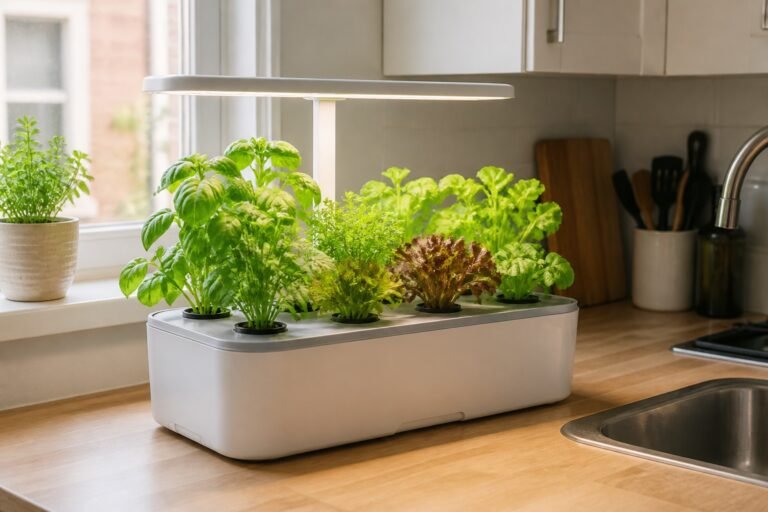
Not a plant — a system. A countertop hydroponic garden like the Click & Grow Smart Garden 9 lets you grow 9 herbs in less than 2 square feet of counter space, with built-in lighting that handles dim apartments perfectly.
This is the studio-apartment-perfect indoor garden because:
- Takes 1.5 sq ft of counter space, not floor space
- Grows real herbs you can cook with
- Provides its own light (works in any room, no window needed)
- Doesn’t require any other “system” or setup
For the full comparison of countertop hydroponic options, see best indoor herb garden kits or Click & Grow vs AeroGarden vs LetPot.
Check Click & Grow Smart Garden 9 on Amazon → (paid link)
Where to put plants in a small studio
A few placement principles that work in tight spaces:
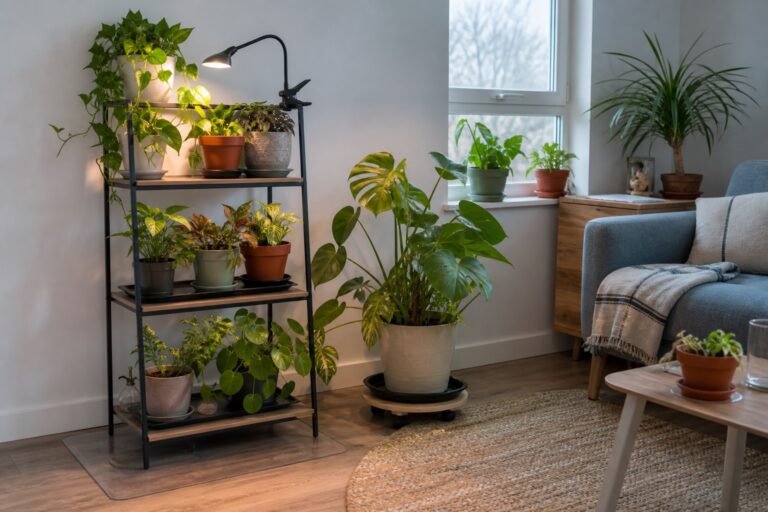
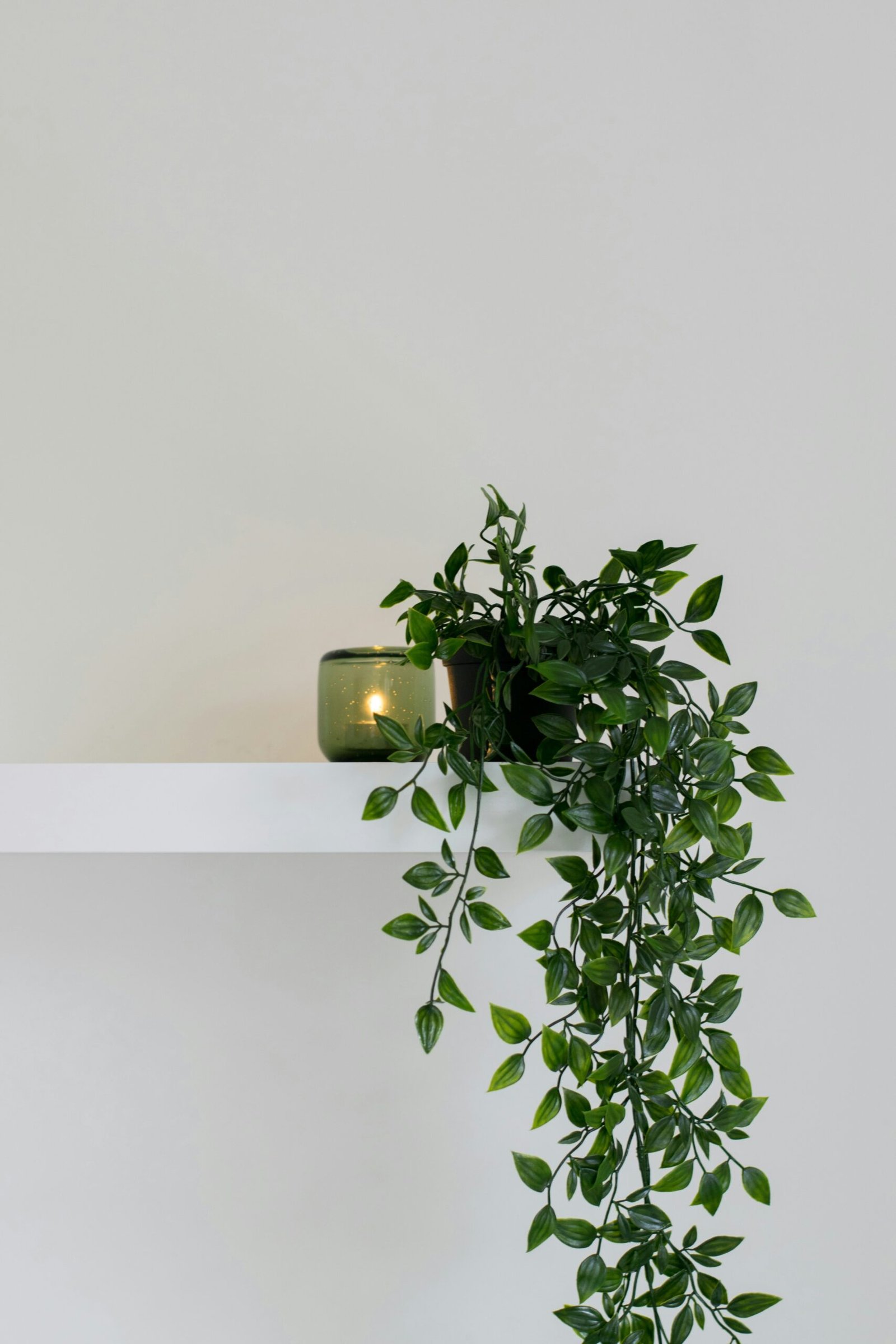
Use vertical space, not floor space. Wall shelves, hanging planters from a tension rod across a window, and tall narrow plant stands give you growing space without crowding the floor.
One plant per visual zone. Resist the urge to cluster plants on every surface. One striking plant per nook is more visually calming than five small plants competing for attention.
Group by light, not aesthetics. Group plants based on what they need (bright window plants together, low-light plants in dim corners), not how they look. The visual arrangement comes second.
Avoid floor plants over 3 feet tall. They eat visual square footage and make the room feel crowded. Stick to plants under hip height for floor placement.
For more on apartment-specific plant setups, our indoor gardening for renters guide covers tips for renters who can’t drill into walls.
What to skip in a studio
A few plants we love elsewhere but don’t recommend for studios:
- Fiddle-leaf figs — get too tall, take up too much floor space, drop leaves
- Standard monstera deliciosa — gets huge fast, needs floor space and stakes
- Large palms — same issue
- Standard pothos in a small pot — fine for the first year, but grows out of control without pruning
- Spider plants — produce many “spiderettes” that take up shelf space over time
Save these for when you have a larger apartment.
How many plants is the right number for a studio?
The honest answer: fewer than you think. For most studios:
- 300–400 sq ft: 4–7 plants total
- 400–500 sq ft: 6–10 plants total
- 500+ sq ft: 8–15 plants total
These numbers are deliberately conservative. The goal is “calm and alive,” not “houseplant jungle.” Studios feel best with restraint.
If you want more plants than the numbers above suggest, you probably want to expand into a vertical garden system — which gives you 20+ plants in 2 square feet of floor space without crowding the room.
Frequently asked questions
Will my landlord care about indoor plants?
Almost never. Plants are not pets. Standard leases don’t restrict houseplants. Just protect your floors with saucers under every pot (see indoor gardening for renters).
What if my studio has only one window?
Make that window your “plant zone.” Group most plants near or in front of it. Use lower-light tolerant plants (snake plant, ZZ, dwarf pothos) in the dimmer parts of the apartment.
Can I grow plants in a windowless basement studio?
Yes, but you’ll need grow lights. See do you need a grow light for the decision.
How do I move plants when I move apartments?
Most easy houseplants travel fine in cardboard boxes for short distances. See indoor gardening for renters for the full moving-with-plants checklist.
Are any of these pet-safe?
Air plants, peperomia, and haworthia are non-toxic to cats and dogs. ZZ plant, pothos, snake plant, calathea, and string of pearls/hearts are mildly toxic if chewed.
The bottom line
A studio apartment is a constraint that actually makes plant care easier. Pick 4–8 of the plants above, place them thoughtfully, and you’ll have a calm, alive space without the clutter that comes from over-collecting.
The best advice for a studio plant collection isn’t about which plants to buy — it’s about restraint. Start with three plants. Live with them for two months. Add more only when those three are thriving.
For more on the easiest plants to keep alive in any apartment, see the easiest indoor plants to keep alive. For a complete list of beginner picks, see 9 easiest indoor plants for people who kill plants.