How to Get Rid of Spider Mites on Houseplants (Before They Take Everything)
Last updated: June 11, 2026.
Fungus gnats are annoying. Spider mites are dangerous. That’s the distinction I want to make right at the top, because I treated my first mite outbreak with the urgency of a minor chore and it cost me a calathea, most of an alocasia, and very nearly a six-foot monstera.
Start here: For a complete overview, see our Indoor Gardening for Absolute Beginners.
Spider mites are barely visible, they multiply absurdly fast in warm dry rooms, and by the time most people notice the webbing, the infestation is weeks old. Here’s how to confirm you have them, the treatment routine that actually ended mine, and how to keep them from coming back every winter.
How to know it’s spider mites
The mites themselves are about the size of a grain of dust, so you diagnose by evidence:
Stippling. Tiny pale yellow dots scattered across leaves, as if someone drained the color out one pinprick at a time. Each dot is a cell a mite has emptied. This is the early sign everyone misses, and it’s one of the patterns I cover in my yellow leaves diagnosis guide.
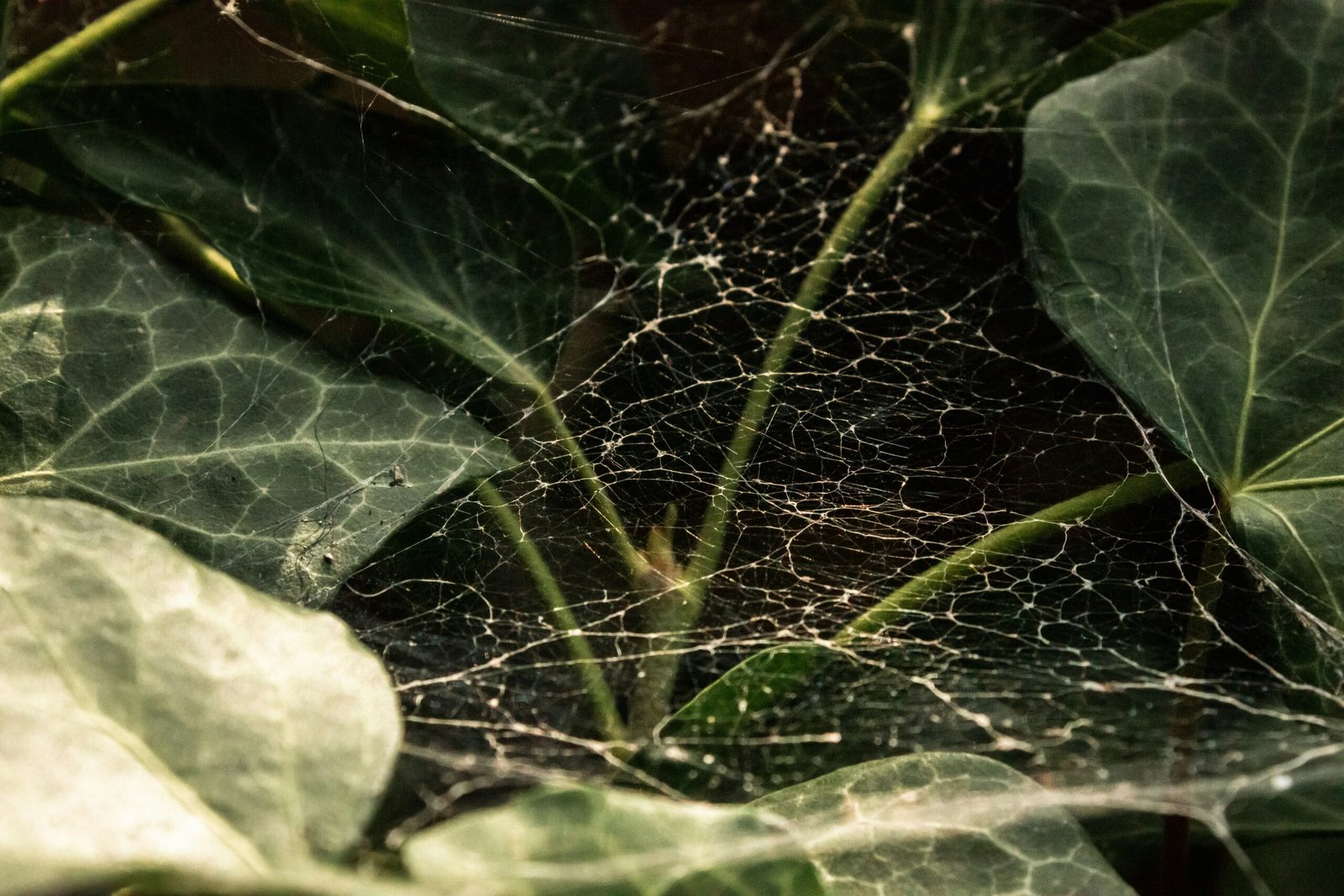
Fine webbing. Delicate silk between leaves, along stems, and at leaf joints. Much finer than actual spider web. Webbing means the colony is established and you’re past the early stage.
The paper test. Hold a sheet of white paper under a leaf and tap the leaf sharply. If specks fall onto the paper and then start walking, that’s your answer.
A general dusty, faded, tired look. Mites drain plants gradually, so the plant just looks “off” before it looks attacked.
Favorite victims in my experience: calatheas, alocasias, palms, English ivy (or just “ivy” if you’re actually English), and hibiscus. But nothing is safe.
Step 1: Quarantine, immediately
Move the infested plant away from every other plant. A different room if possible, or the bathroom, which has the bonus of humidity mites hate. Mites travel between touching leaves, ride on drafts, and hitch on your sleeves. Check the neighbors of the infested plant with the paper test too, because in my outbreak, the plant I spotted was the third one infested, not the first.
This is also your reminder to quarantine anything new for a week or two before it joins the shelf, whether it came from a nursery, a supermarket, or a cutting swap with a friend.
Step 2: Physically blast them off
Before any product touches the plant, take it to the shower or sink and hose it down thoroughly, paying special attention to the undersides of leaves where mites live. Lukewarm water, decent pressure. This alone removes a huge share of the population and all of the webbing. For big floor plants too heavy to move, wipe every leaf, top and bottom, with a damp cloth.
Trim off the worst leaves. Anything more than half stippled isn’t coming back, and it’s housing the enemy. Bag the trimmings and take them out, don’t leave them in the kitchen bin overnight.
Step 3: Treat, and then treat again (this is where everyone fails)

My weapon of choice is insecticidal soap, about $10 to $13 a bottle, sold at any Home Depot or Lowe’s, and as “fatty acid” sprays at UK garden centres and German Baumärkte. It kills on contact and is safe to use indoors. Neem oil works too and adds a residual effect; fair warning that it smells like a health food shop having a bad day, so I spray in the bathtub with the fan on.
Soak the plant, and I mean soak: every leaf underside, every stem joint, the top of the soil. Contact sprays only kill what they touch.
Now the part that separates success from a re-infestation in three weeks: repeat every 5 to 7 days, at least three times. No spray kills the eggs reliably, and at typical room temperatures of 70 to 80°F (21 to 27°C) a new generation hatches and starts laying in under two weeks. One treatment is a setback for them. Three on schedule is extinction. Put it in your phone calendar; I’m serious.
For a severe outbreak on a plant collection you really care about, there’s a delightfully ruthless escalation: predatory mites (Phytoseiulus persimilis), live good-guy mites that eat the bad ones and then starve politely. They’re standard practice in commercial greenhouses, the RHS lists them as a preferred control, and they’re easy to mail-order in the US, UK, and Germany.
Related guides and tools
Why you got them (and how to not get them again)
Spider mites worship dry air. Outbreaks spike in winter, when central heating in a Boston apartment or a radiator-cooked Berlin flat drops indoor humidity to desert levels. That’s the same season your plants are already stressed, which is why mite checks are part of my winter houseplant care routine.
Prevention that works: keep humidity up around vulnerable plants (grouping plants, a pebble tray, or a small humidifier; a cheap hygrometer tells you where you stand), rinse or wipe leaves every month or so, and inspect leaf undersides whenever you water. A 30-second look while the watering can drains has caught two early outbreaks for me since the monstera incident.
And if you’re now wondering about the other tiny pest in your plant room, the little black flies doing lazy laps around the soil are a different beast with a different fix: that’s the fungus gnat playbook. Different enemy, same satisfying ending.