Fern & Shelf field guide

Indoor Plant Database: 60 Detailed Care Profiles

An indoor plant database should answer the question you have while you are standing beside the pot. How much of the mix should dry before watering? Will this plant cope with a dim room, or merely decline more slowly there? Is it a sensible choice around a cat? These 60 profiles put those practical details in one place.

Search by common or botanical name, then narrow the list by light, difficulty, mature size, growth habit, humidity and pet safety. Each card shows the care cue that matters most. Open the full profile for soil, temperature, feeding, propagation and a short problem guide.

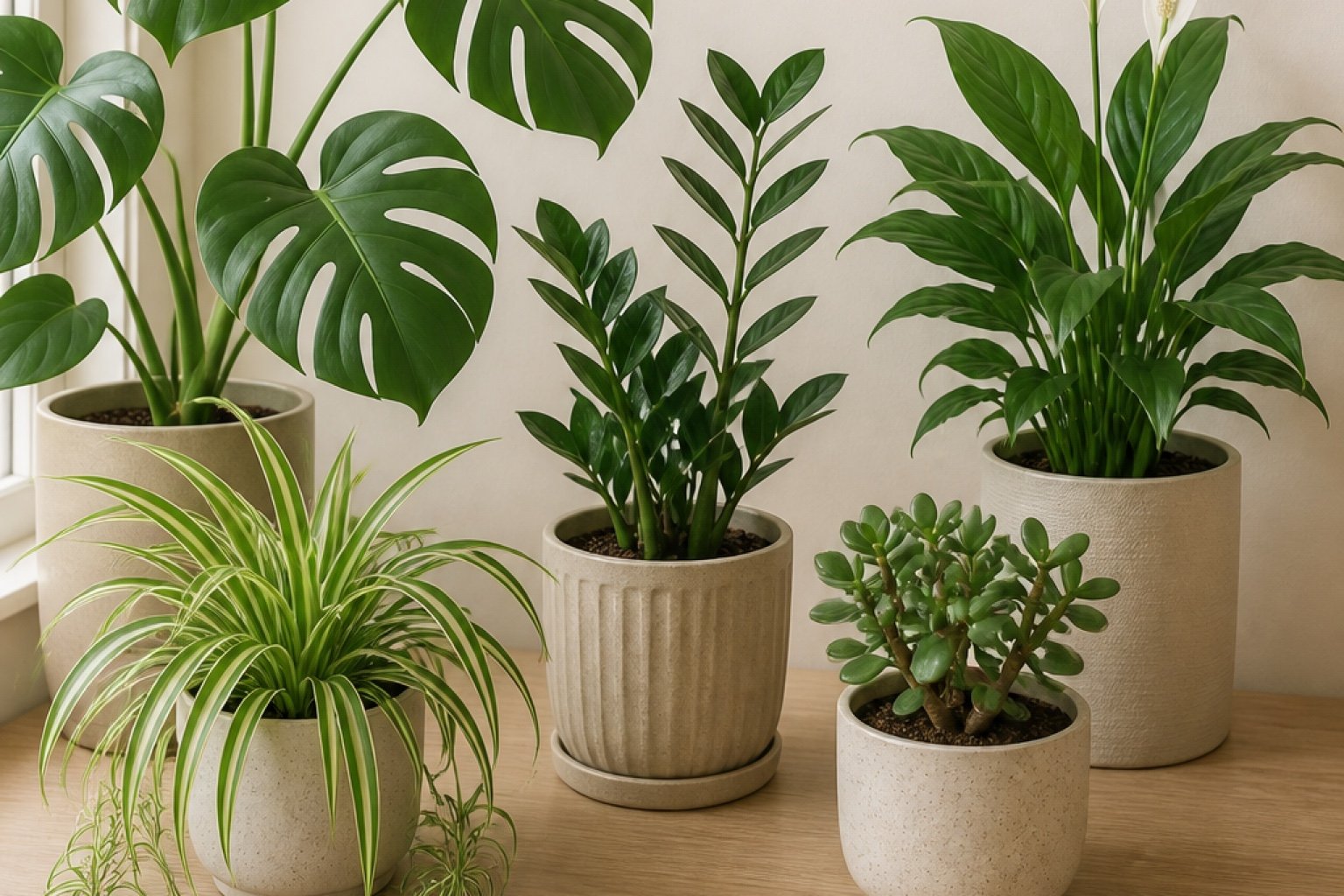
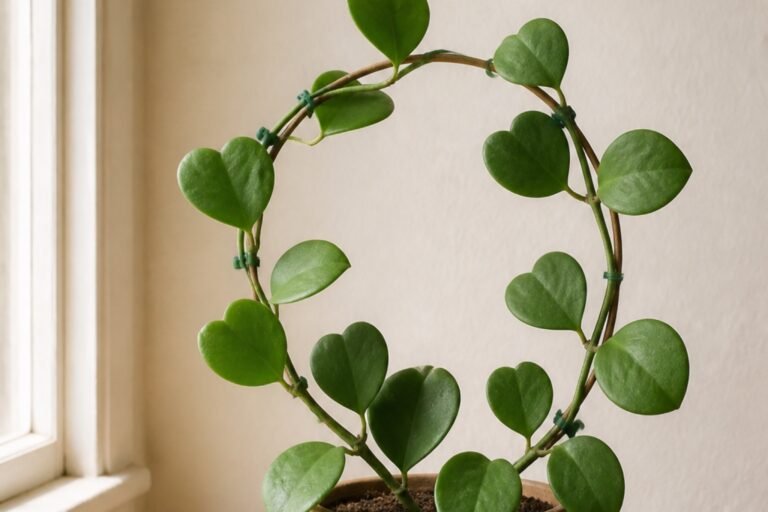
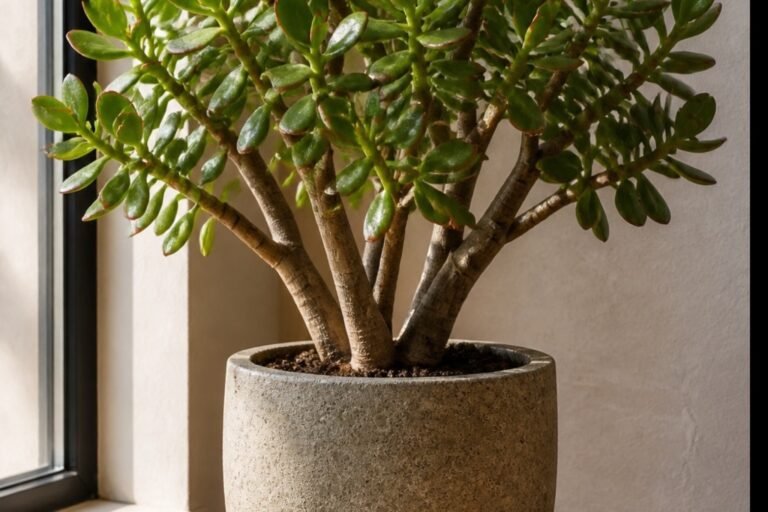
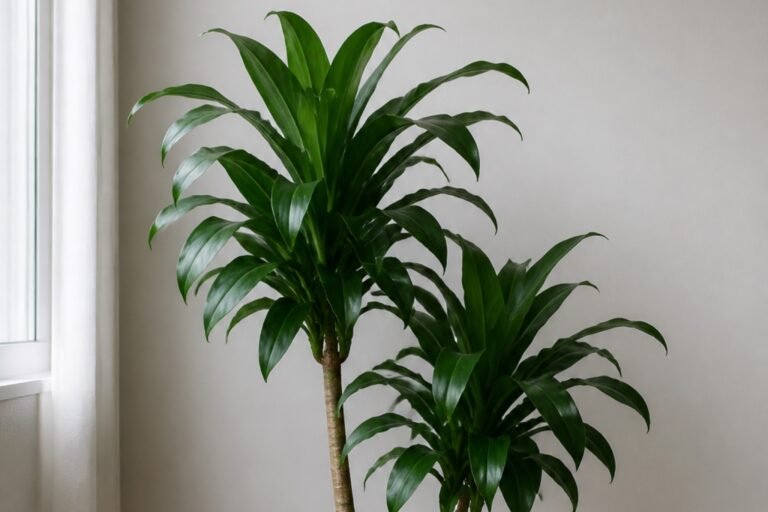
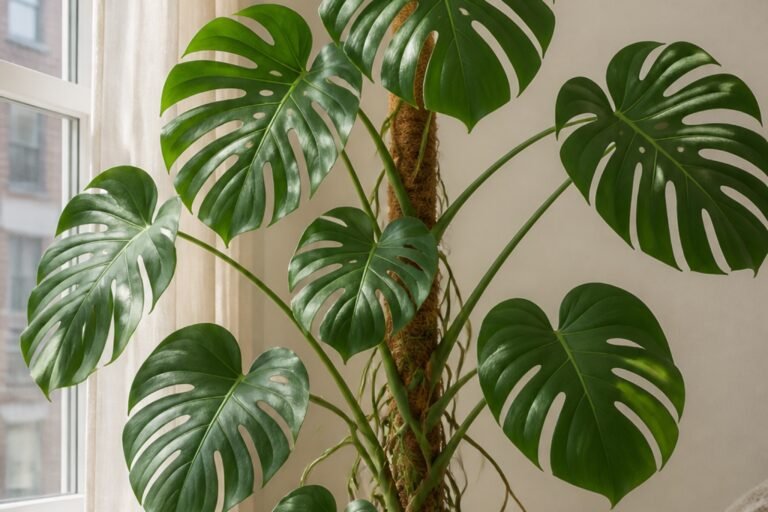
Indoor plant database featuring Monstera, spider plant, ZZ plant, peace lily and jade plant
Five indoor plants represented in the Fern & Shelf plant database.

Plant profiles

60 profiles

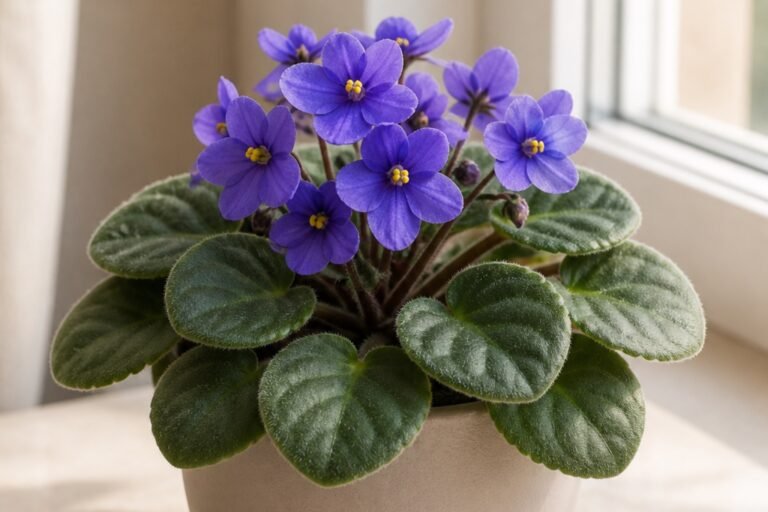
Streptocarpus ionanthus

African Violet Care: Light, Water and Repeat Blooms

African violet care starts with bright filtered light, an airy small pot, and steady moisture. Learn how to improve blooms and prevent crown rot.

Water when: Water when the surface is just dry, before the fine root ball becomes hard or the rosette wilts.

Cats: Verified non-toxic Dogs: Verified non-toxic
  • Moderate
  • Bright indirect light

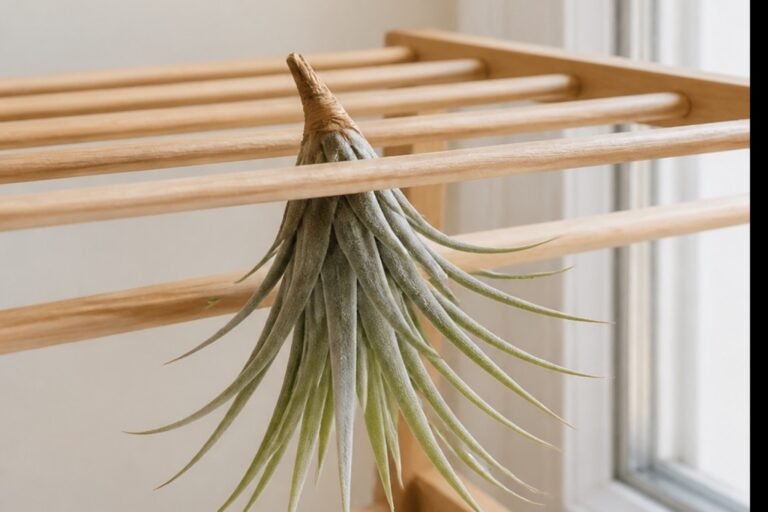
Tillandsia ionantha

Air Plant Care: Light, Water and Drying

Air plant care depends on thorough wetting followed by complete drying. Learn light, airflow, display choices, flowering, pups, and rot prevention.

Water when: Wet thoroughly when leaves tighten or the plant has dried since its prior watering, then drain upside down.

Cats: Not verified Dogs: Not verified
  • Moderate
  • Bright indirect light

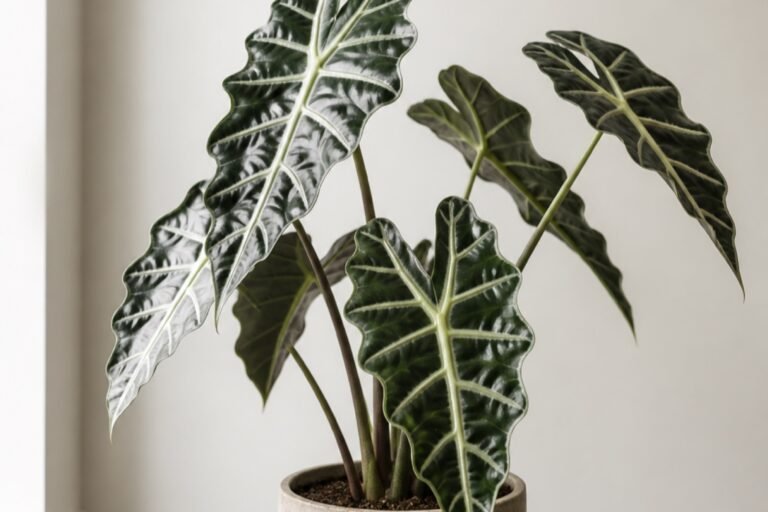
Alocasia × mortfontanensis 'Polly'

Alocasia Polly Care: Light, Water, Dormancy and Mites

Alocasia Polly care balances warm bright light, a partial dry-down, and an airy root zone. Learn how to handle yellow leaves, mites, and dormancy.

Water when: Water thoroughly after the upper 1 to 2 inches of mix have dried and the pot feels lighter.

Cats: Toxic Dogs: Toxic
  • Demanding
  • Bright indirect light

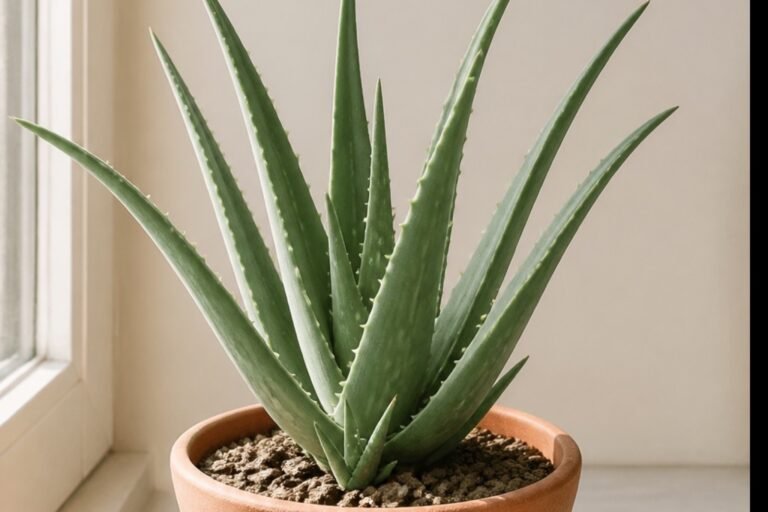
Aloe vera

Aloe Vera Care Indoors: Light, Water and Pups

Aloe vera care indoors needs real sun and a fully dry root zone. Learn watering cues, succulent soil, offset division, rot checks, and pet…

Water when: Water when the mix is dry through the container, the pot is light, and mature leaves begin to thin.

Cats: Toxic Dogs: Toxic
  • Easy
  • Some direct sun

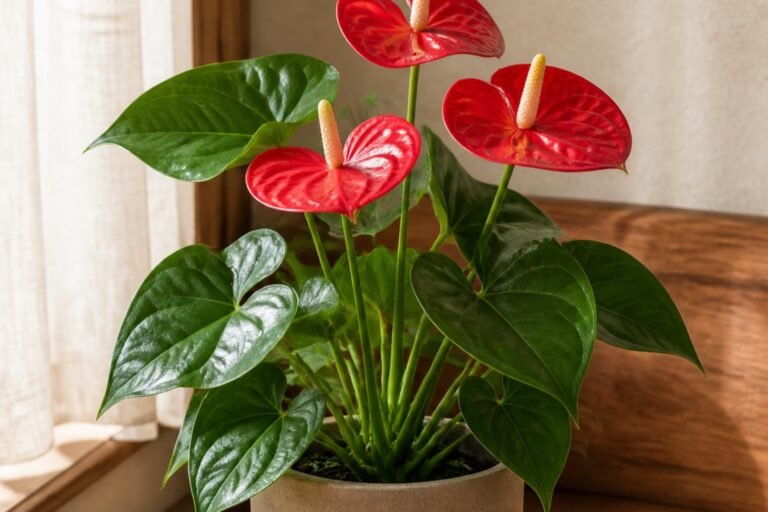
Anthurium andraeanum hybrids

Anthurium Care Indoors: Light, Water and Repeat Flowers

Anthurium care indoors needs filtered light, warm roots, and an airy mix. Learn watering cues, flower care, repotting, brown-leaf checks, and pet safety.

Water when: Water when the upper inch is dry and the pot feels lighter while the lower mix remains faintly moist, not…

Cats: Toxic Dogs: Toxic
  • Moderate
  • Bright indirect light

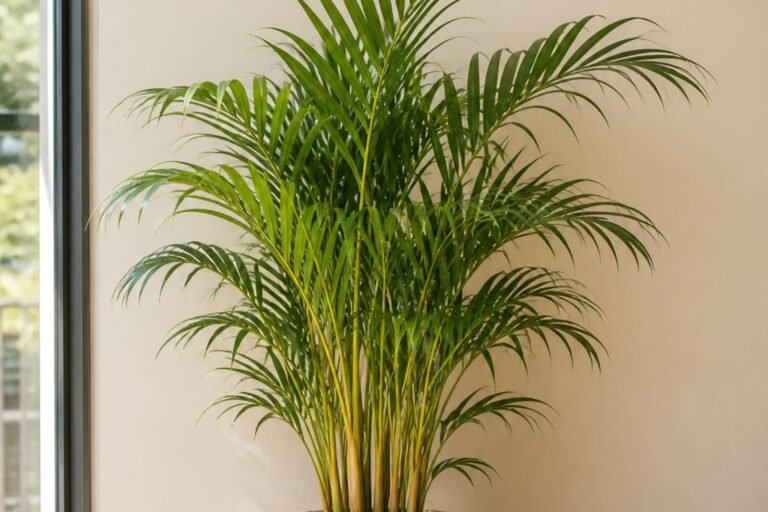
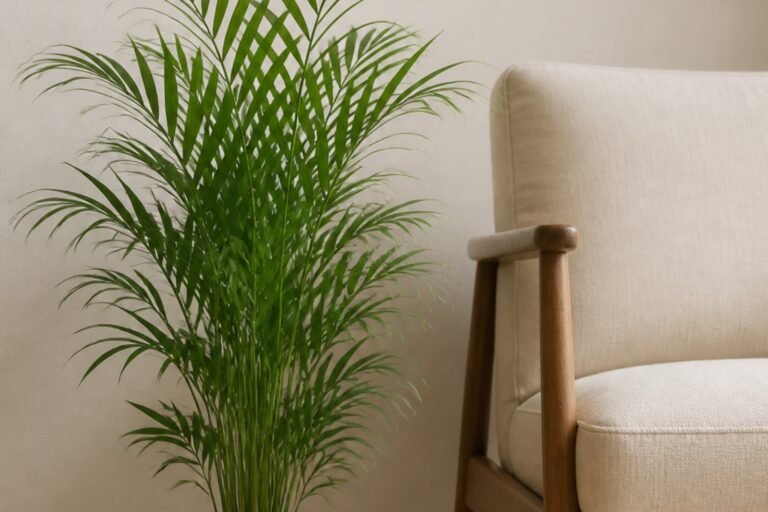
Chrysalidocarpus lutescens

Areca Palm Care: Light, Water and Brown Tips

Areca palm care depends on bright filtered light and a root ball that never stays soaked. Learn watering cues, pet safety, feeding, and brown-tip…

Water when: Water after the upper inch or two begins to dry and the pot loses some weight.

Cats: Verified non-toxic Dogs: Verified non-toxic
  • Moderate
  • Bright indirect light

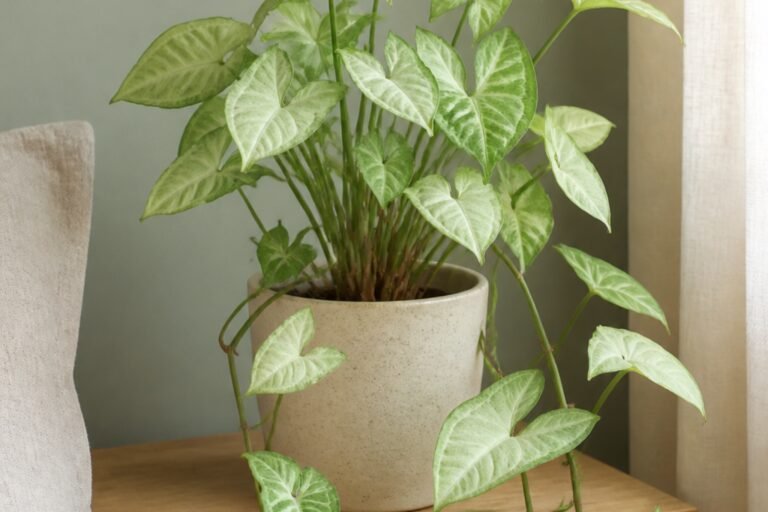
Syngonium podophyllum

Arrowhead Plant Care: Light, Water and Trailing Growth

Arrowhead plant care changes as a compact juvenile begins to vine. Learn light, watering cues, pruning, propagation, common problems, and pet safety.

Water when: Water when the upper 1 to 2 inches are dry and the pot has lost some weight, then let excess…

Cats: Toxic Dogs: Toxic
  • Easy
  • Bright indirect light

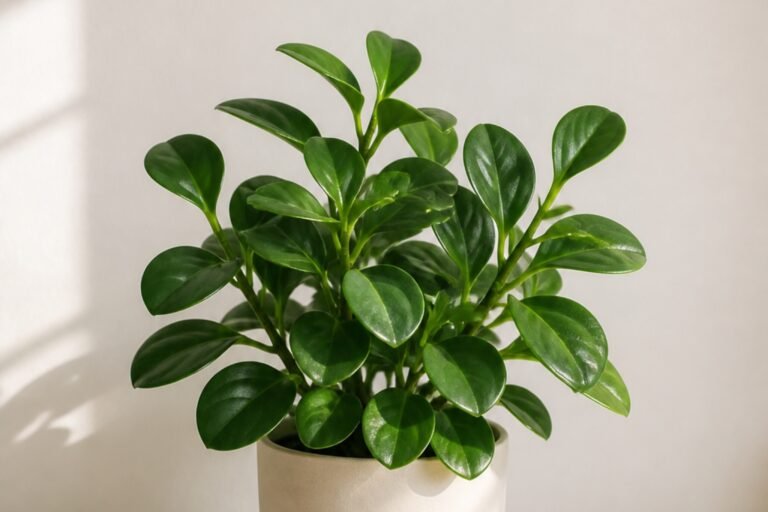
Peperomia obtusifolia

Baby Rubber Plant Care: Light, Water and Fuller Growth

Baby rubber plant care needs bright filtered light and a partial dry-down. Learn how to prevent soft stems, leaf drop, stretch, and root rot.

Water when: Water after the upper part of the mix has dried and the pot feels light, before leaves become soft.

Cats: Verified non-toxic Dogs: Verified non-toxic
  • Easy
  • Bright indirect light

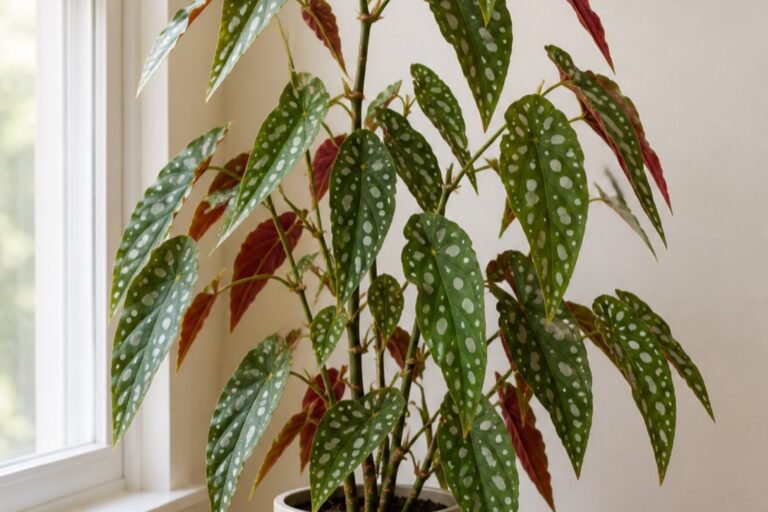
Begonia maculata

Begonia Maculata Care: Light, Water and Leggy Canes

Begonia maculata care needs bright filtered light, an airy root zone, and timely pruning. Learn how to handle leaf drop, brown edges, and weak…

Water when: Water when the upper inch has dried and the pot feels lighter, then drain the root ball fully.

Cats: Toxic Dogs: Toxic
  • Demanding
  • Bright indirect light

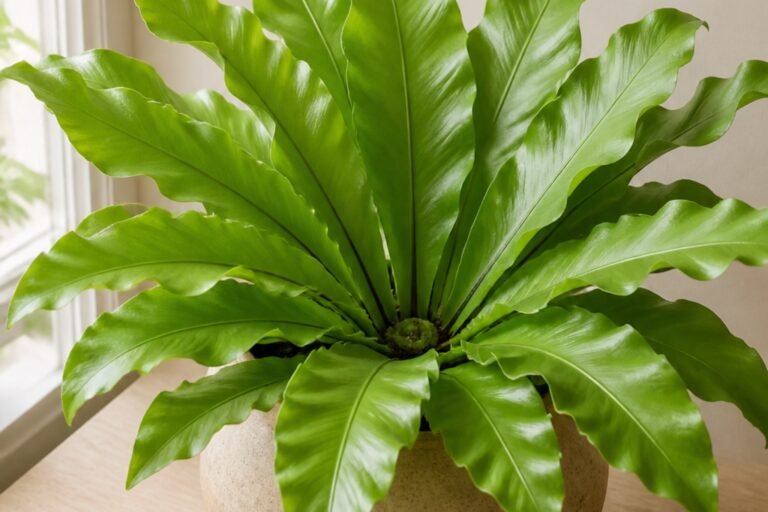
Asplenium nidus

Bird’s Nest Fern Care: Light, Water and Crown Health

Bird's nest fern care starts with filtered light, a moist but airy mix, and a dry crown. Learn how to prevent rot, brown edges,…

Water when: Water the mix when its surface starts to dry, keeping water out of the central crown.

Cats: Not verified Dogs: Not verified
  • Moderate
  • Medium indirect light

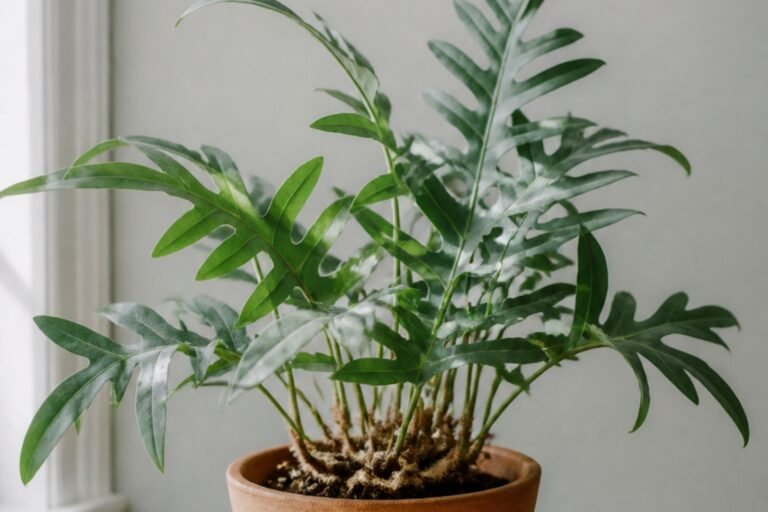
Phlebodium aureum

Blue Star Fern Care: Rhizomes, Water and Brown Fronds

Blue star fern care starts with surface rhizomes, filtered light, and an airy root zone. Learn watering cues, brown-frond causes, humidity, pests, and safety.

Water when: Water when the upper inch is dry and the pot feels lighter, while the deeper substrate still has a little…

Cats: Verified non-toxic Dogs: Verified non-toxic
  • Moderate
  • Medium indirect light

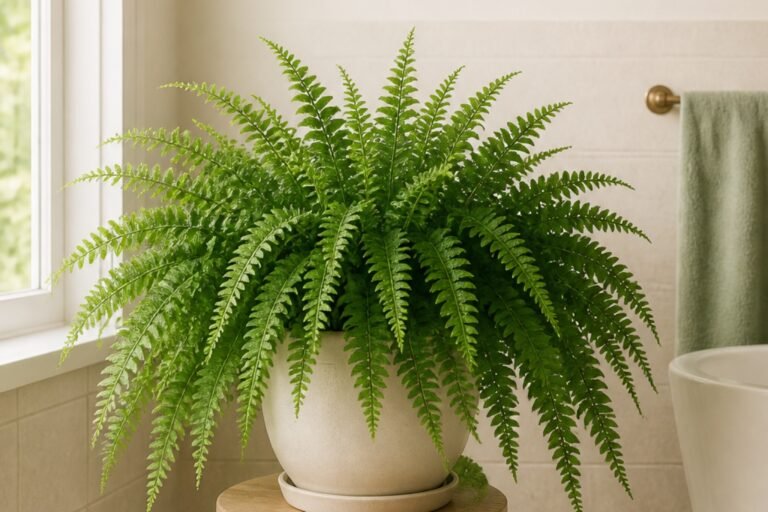
Nephrolepis exaltata

Boston Fern Care: Light, Water and Humidity

Boston fern care gets easier when moisture and humidity stay steady. Learn the right light, watering cue, soil, pet safety, and brown-tip fixes.
Water when: Water when the surface begins to lose moisture, before the root ball dries through.

Cats: Verified non-toxic Dogs: Verified non-toxic
  • Moderate
  • Medium indirect light

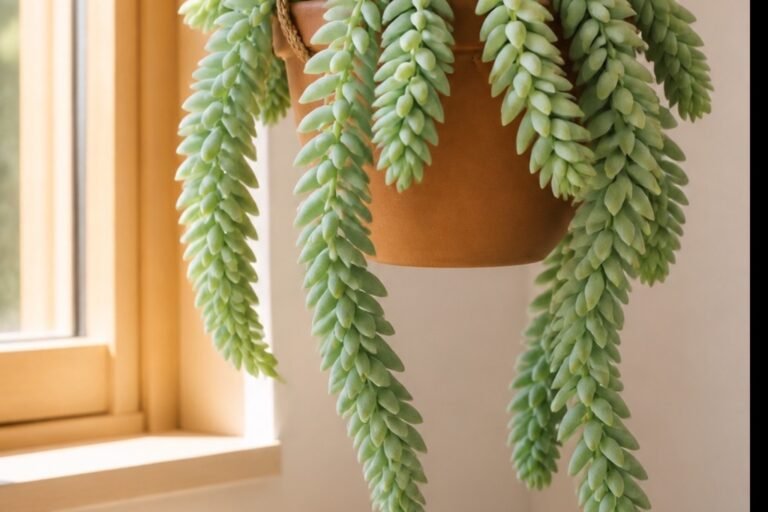
Sedum morganianum

Burro’s Tail Care: Light, Water and Leaf Drop

Burro's tail care protects fragile leaves while giving roots sun and dry time. Learn watering, pot choice, propagation, pest checks, and pet safety.

Water when: Water when the mix is dry through the pot, the container is light, and mature leaves begin to soften.

Cats: Verified non-toxic Dogs: Verified non-toxic
  • Moderate
  • Some direct sun

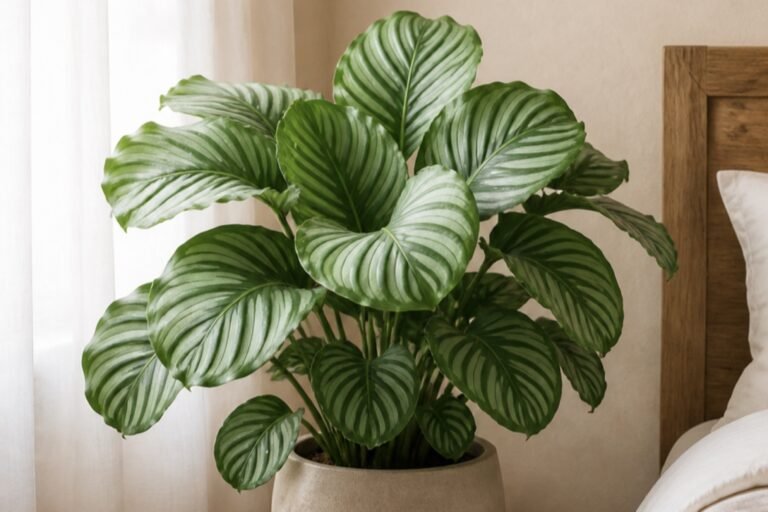
Goeppertia orbifolia

Calathea Orbifolia Care: Water, Humidity and Brown Tips

Calathea orbifolia care calls for filtered light, even root moisture, and steady humidity. Learn what causes curled leaves, brown tips, and fading bands.

Water when: Water when the upper inch begins to dry and the pot feels slightly lighter, before the root ball dries deeply.

Cats: Verified non-toxic Dogs: Verified non-toxic
  • Demanding
  • Medium indirect light

Aspidistra elatior

Cast Iron Plant Care: Light, Water and Problems

Cast iron plant care is simple once light and drainage are right. Learn when to water, when to repot, and what yellow or marked…

Water when: Water after the upper few inches of potting mix dry and the container feels lighter.

Cats: Verified non-toxic Dogs: Verified non-toxic
  • Easy
  • Low-light tolerant

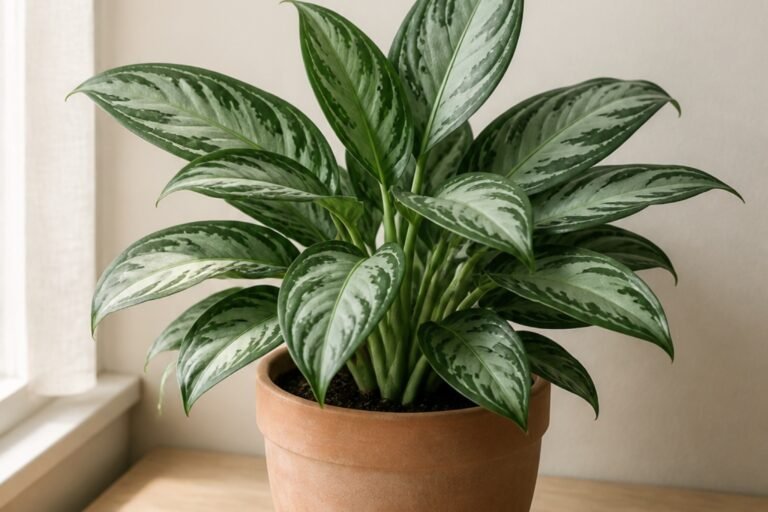
Aglaonema commutatum

Chinese Evergreen Care: Light, Water and Color

Chinese evergreen care depends on leaf color and cultivar. Learn the right filtered light, watering cue, soil, safety, and fixes for yellow leaves.

Water when: Water after the upper inch or two dries and the pot loses some weight.

Cats: Toxic Dogs: Toxic
  • Easy
  • Low-light tolerant

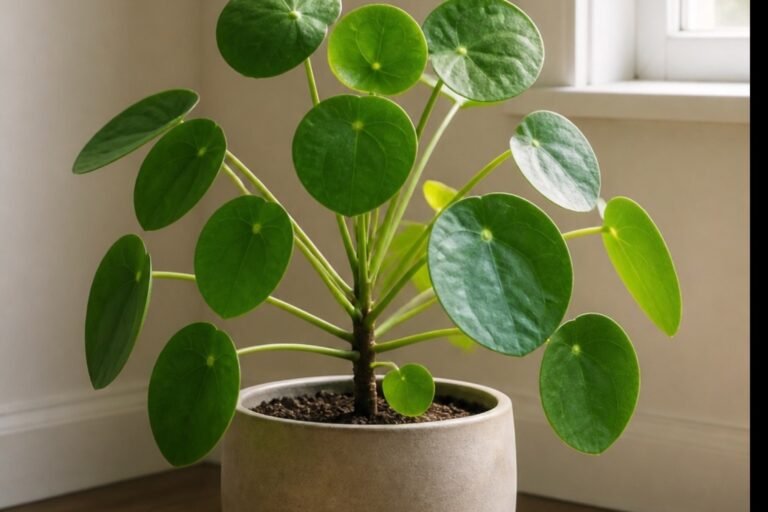
Pilea peperomioides

Chinese Money Plant Care: Light, Water and Pups

Chinese money plant care balances bright filtered light with a short dry spell. Learn watering cues, rotation, repotting, pups, and yellow-leaf fixes.
Water when: Water when the upper inch or two is dry and the pot feels noticeably lighter.

Cats: Not verified Dogs: Not verified
  • Moderate
  • Bright indirect light

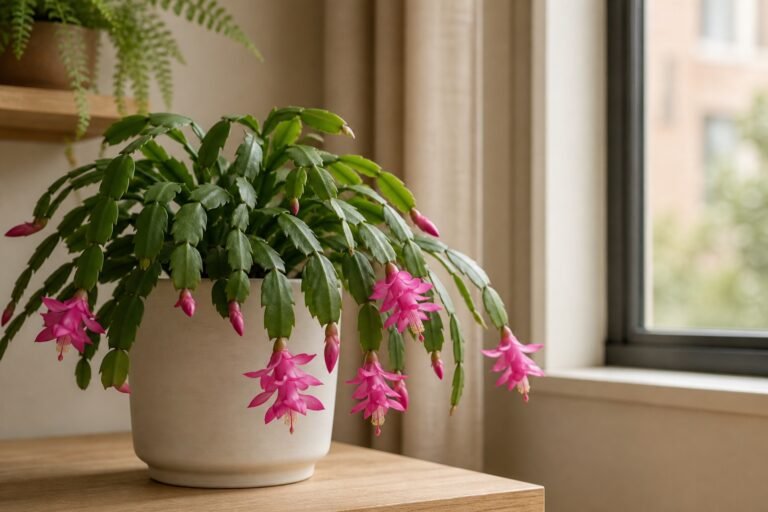
Schlumbergera × buckleyi

Christmas Cactus Care: Water, Buds and True ID

Christmas cactus care starts with the right plant ID and an airy root zone. Learn watering cues, short-day flowering, bud drop, propagation, and pet…

Water when: Water when the upper inch is dry and the pot is lighter while segments remain firm, then drain completely.

Cats: Not verified Dogs: Not verified
  • Moderate
  • Bright indirect light

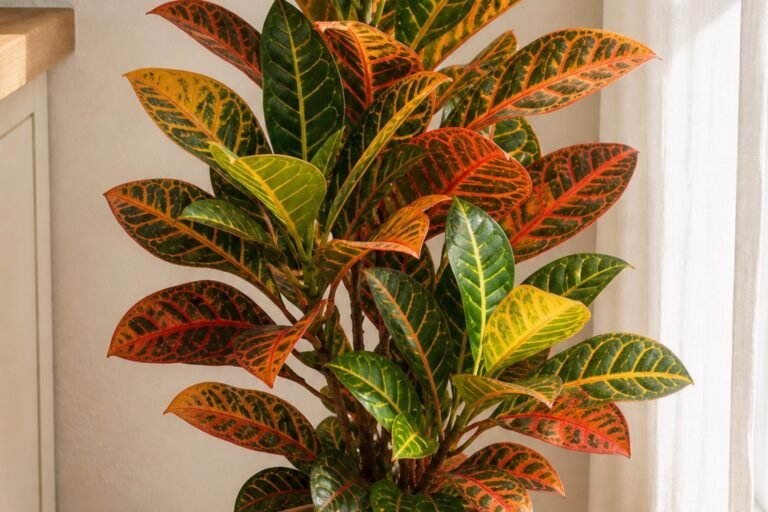
Codiaeum variegatum

Croton Plant Care Indoors: Color, Water and Leaf Drop

Croton plant care indoors needs strong light and steady warmth. Learn watering cues, color loss, sudden leaf-drop checks, pruning, pests, and sap safety.

Water when: Water when the upper 1 to 2 inches are dry and the pot is lighter, before the whole root ball…

Cats: Toxic Dogs: Toxic
  • Demanding
  • Some direct sun

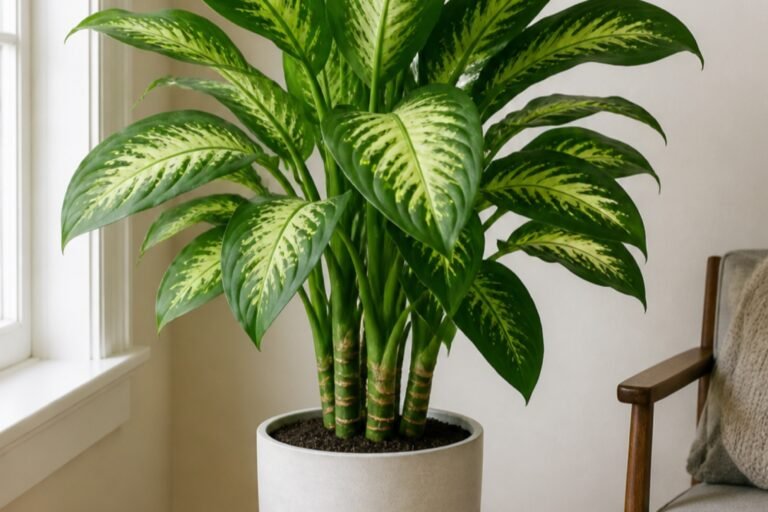
Dieffenbachia seguine

Dieffenbachia Care Indoors: Light, Water and Bare Canes

Dieffenbachia care indoors calls for filtered light, a modest pot, and careful watering. Learn what causes yellow leaves, bare canes, and root trouble.

Water when: Water thoroughly after the upper inch of potting mix feels dry and the pot has become lighter.

Cats: Toxic Dogs: Toxic
  • Moderate
  • Medium indirect light

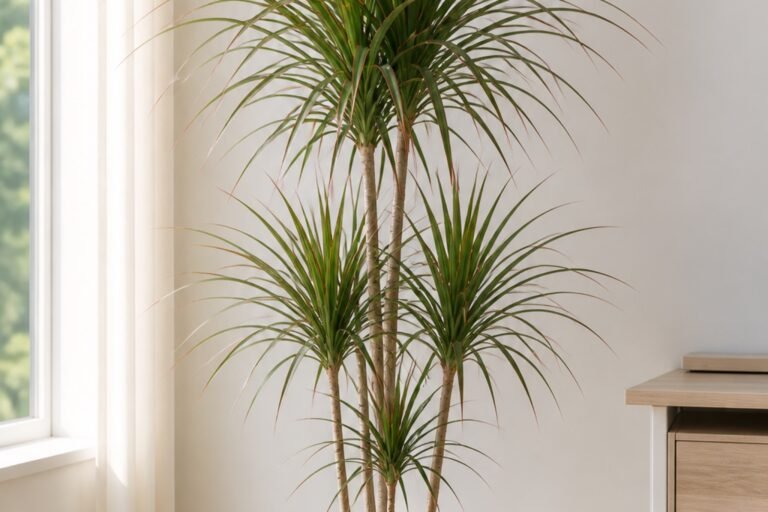
Dracaena reflexa var. angustifolia

Dracaena Marginata Care Indoors: Light, Water and Tips

Dracaena marginata care indoors depends on filtered light and a partly dry root ball. Learn watering cues, cane pruning, brown-tip checks, and pet safety.

Water when: Water after the upper half of the potting mix has dried and the container feels clearly lighter.

Cats: Toxic Dogs: Toxic
  • Easy
  • Bright indirect light

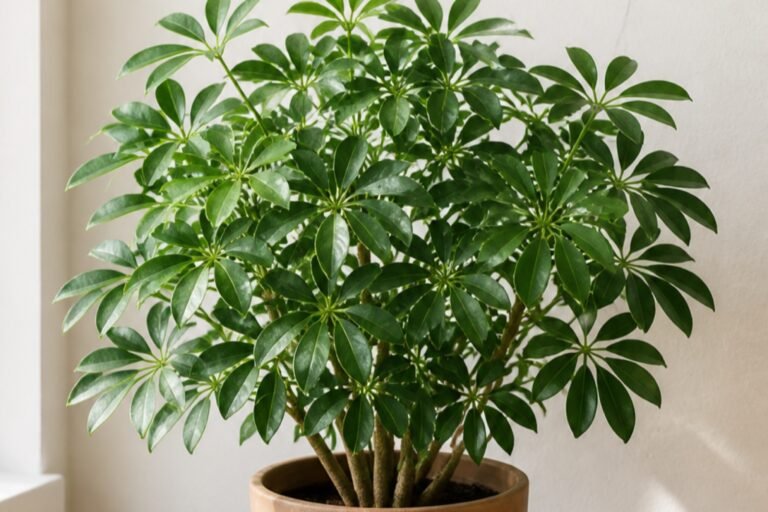
Heptapleurum arboricola

Dwarf Umbrella Tree Care Indoors: Light, Water and Pruning

Dwarf umbrella tree care indoors depends on bright light, a real drying interval, and timely pruning. Learn how to prevent leaf drop and lanky…

Water when: Water thoroughly after the upper 1 to 2 inches of potting mix have dried and the pot feels lighter.

Cats: Toxic Dogs: Toxic
  • Moderate
  • Bright indirect light

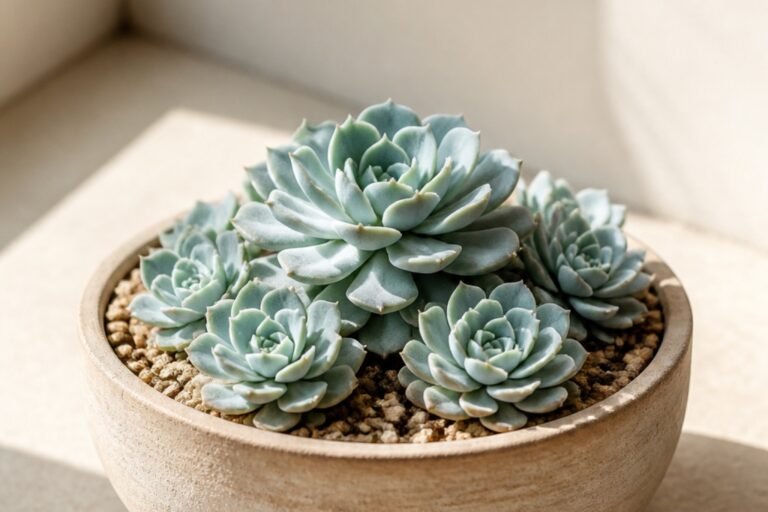
Echeveria elegans

Echeveria Elegans Care Indoors: Light, Water and Shape

Echeveria elegans care indoors requires direct light, a full dry interval, and a small airy pot. Learn watering, farina care, offsets, and rot checks.

Water when: Water only when the mix is dry through the container and the pot feels very light.

Cats: Verified non-toxic Dogs: Verified non-toxic
  • Moderate
  • Some direct sun

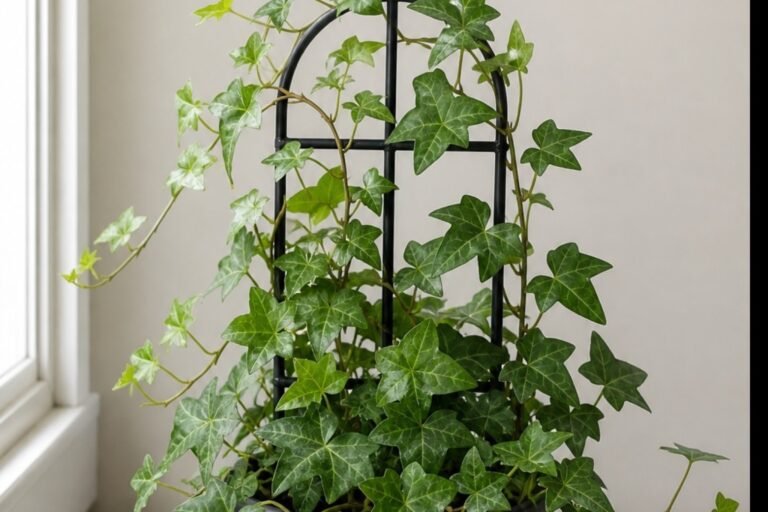
Hedera helix

English Ivy Care Indoors: Light, Water and Mites

English ivy care indoors needs bright light, cool air, and close pest checks. Learn watering, pruning, support, spider mite control, and pet safety.

Water when: Water when the soil surface begins to dry and the pot loses some weight.

Cats: Toxic Dogs: Toxic
  • Moderate
  • Bright indirect light

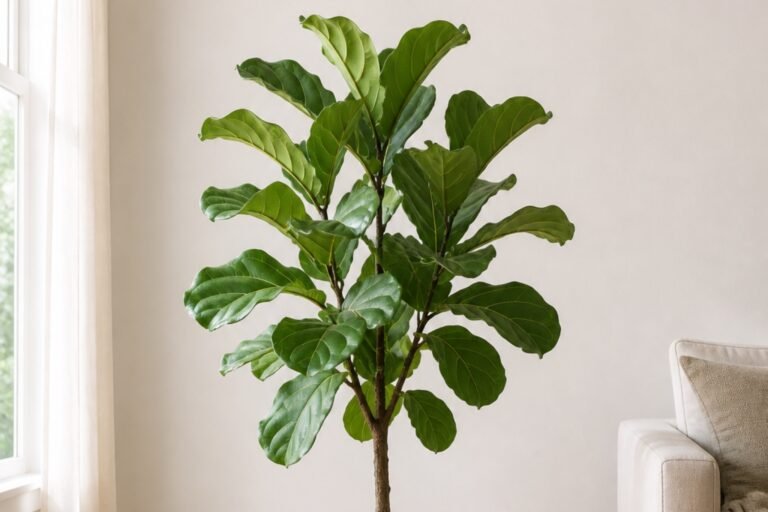
Ficus lyrata

Fiddle Leaf Fig Care: Light, Water and Brown Spots

Fiddle leaf fig care improves with a bright stable location and soil checks before watering. Learn how to read spots, leaf drop, and weak…

Water when: Water when the upper 2 inches of mix have dried and the pot feels lighter.

Cats: Toxic Dogs: Toxic
  • Demanding
  • Bright indirect light

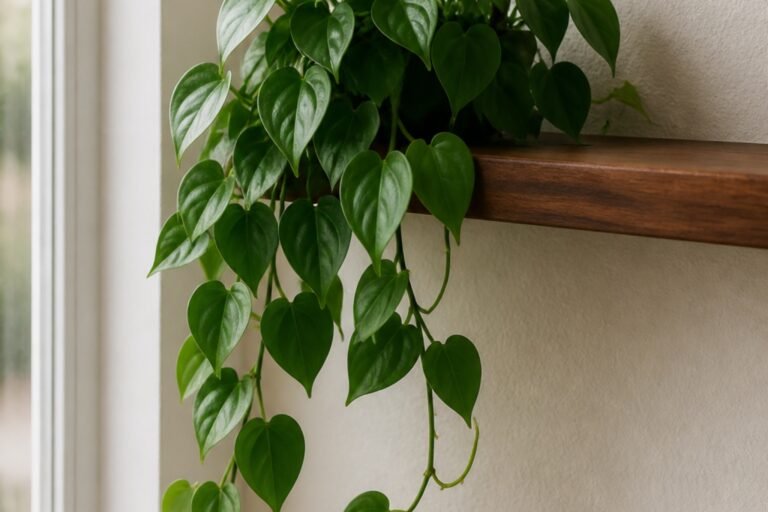
Philodendron hederaceum

Heartleaf Philodendron Care: Light, Water and Fuller Vines

Heartleaf philodendron care is easier with useful light, slightly moist soil, and clean pruning. Learn how to fix sparse vines and yellow leaves.

Water when: Water when the upper inch or two has dried while the deeper root zone remains slightly moist.

Cats: Toxic Dogs: Toxic
  • Easy
  • Medium indirect light

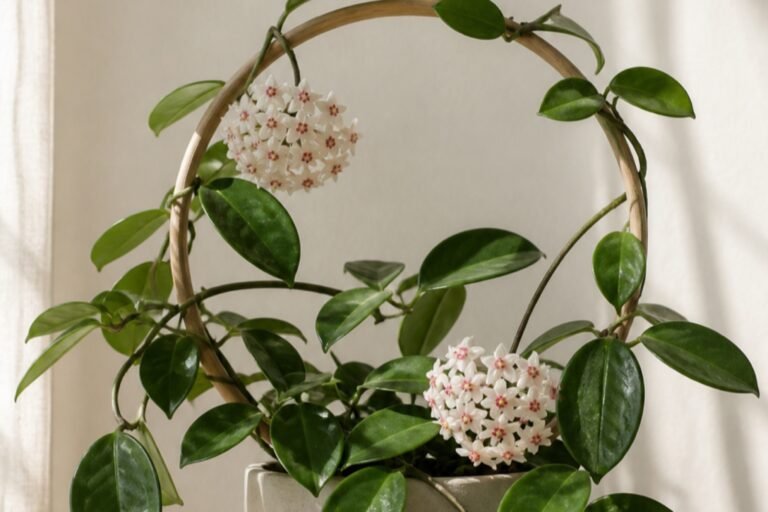
Hoya carnosa

Hoya Carnosa Care: Light, Water, Flowers and Long Vines

Hoya carnosa care works best with bright light, a compact airy pot, and a full dry-down. Learn why vines stay bare, leaves wrinkle, and…

Water when: Water thoroughly after most of the potting mix has dried and the container feels distinctly lighter.

Cats: Verified non-toxic Dogs: Verified non-toxic
  • Moderate
  • Bright indirect light

Hoya kerrii

Hoya Kerrii Care: Light, Water and New Vine Growth

Hoya kerrii care starts with a node-bearing plant, bright filtered light, and a dry interval. Learn watering cues, pot choice, support, and common fixes.
Water when: Water when most of the mix is dry and the pot feels noticeably lighter.

Cats: Verified non-toxic Dogs: Verified non-toxic
  • Moderate
  • Bright indirect light

Crassula ovata

Jade Plant Care: Light, Water and Strong Growth

Jade plant care needs strong light and a fully dry root zone between drinks. Learn watering cues, pruning, propagation, rot checks, and pet safety.

Water when: Water when the mix is dry through the pot, the container feels light, and mature leaves begin to soften.

Cats: Toxic Dogs: Toxic
  • Easy
  • Some direct sun

Dracaena fragrans 'Janet Craig'

Janet Craig Dracaena Care: Light, Water and Brown Tips

Janet Craig dracaena care is forgiving in lower light when the pot can dry slightly. Learn how to prevent brown tips, weak leaves, and…

Water when: Water after the upper inch or two of mix has dried and the pot feels noticeably lighter.

Cats: Toxic Dogs: Toxic
  • Easy
  • Low-light tolerant

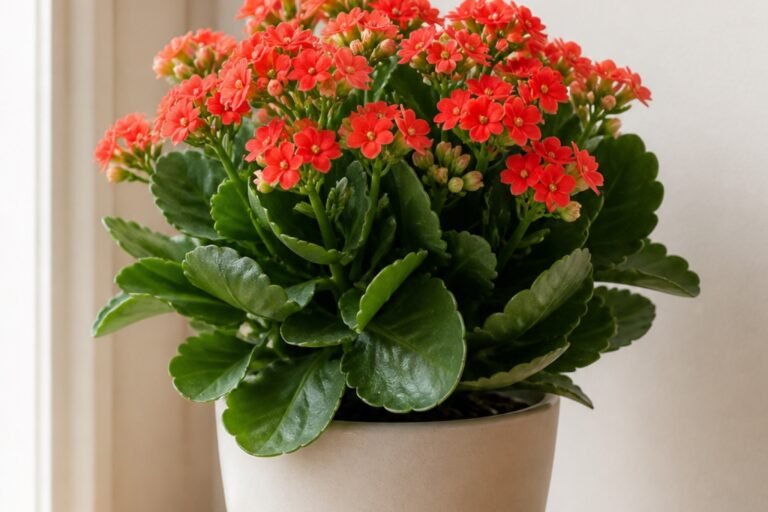
Kalanchoe blossfeldiana

Kalanchoe Blossfeldiana Care: Water, Light and Reblooming

Kalanchoe blossfeldiana care calls for strong light, a real dry interval, and long nights for reblooming. Learn watering, pruning, and safety cues.

Water when: Water when most of the mix is dry and the pot feels light, then soak and drain.

Cats: Toxic Dogs: Toxic
  • Moderate
  • Some direct sun

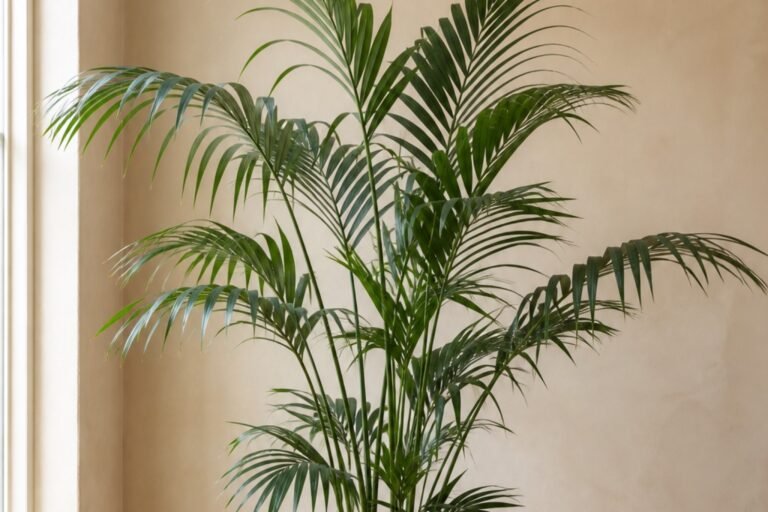
Howea forsteriana

Kentia Palm Care Indoors: Light, Water and Brown Tips

Kentia palm care indoors calls for filtered light, measured watering, and patience. Learn what causes brown tips, yellow fronds, weak growth, scale, and mites.

Water when: Water when the upper 2 inches are dry and the pot feels noticeably lighter, before the full root ball dries…

Cats: Verified non-toxic Dogs: Verified non-toxic
  • Moderate
  • Bright indirect light

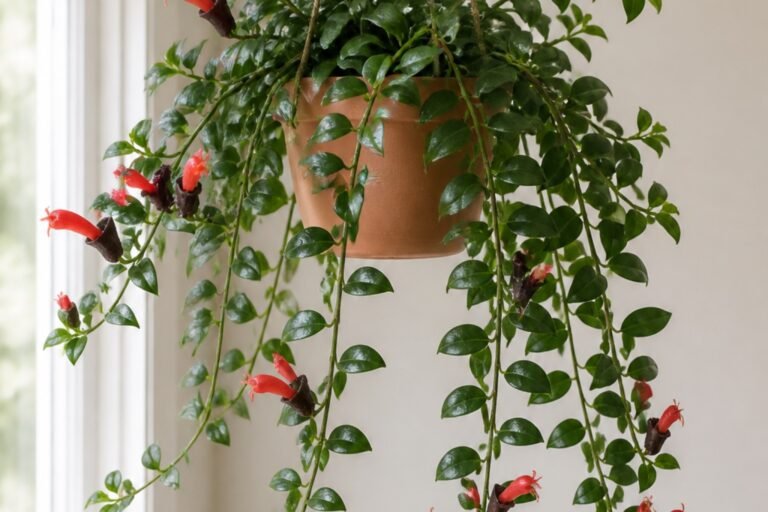
Aeschynanthus radicans

Lipstick Plant Care Indoors: Water, Light and Flowers

Lipstick plant care indoors needs bright filtered light, an airy mix, and measured water. Learn what stops flowers, causes leaf drop, invites pests, and…

Water when: Water when the upper inch is dry and the pot feels lighter, before the deeper root zone becomes hard and…

Cats: Not verified Dogs: Not verified
  • Moderate
  • Bright indirect light

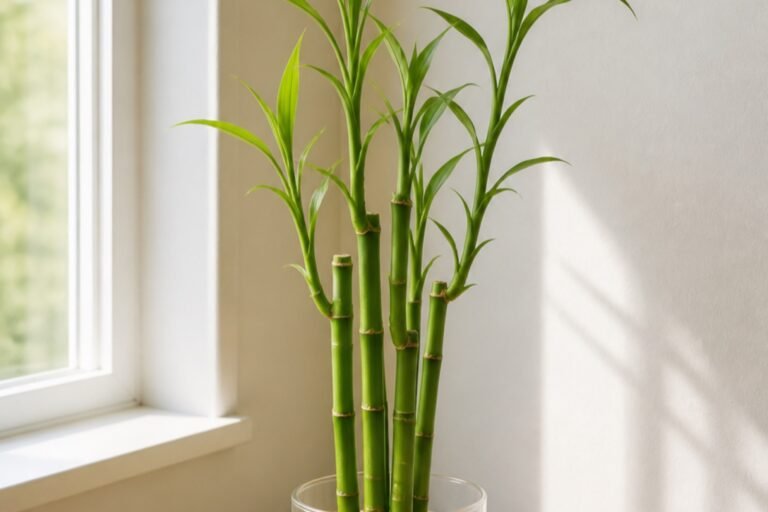
Dracaena sanderiana

Lucky Bamboo Care: Water, Soil, Light and Yellow Canes

Lucky bamboo care depends on whether the canes grow in water or soil. Learn how to manage light, roots, brown tips, yellow stems, and…

Water when: In soil, water when the upper inch feels dry; in water culture, keep roots submerged and refresh cloudy or stale…

Cats: Toxic Dogs: Toxic
  • Easy
  • Medium indirect light

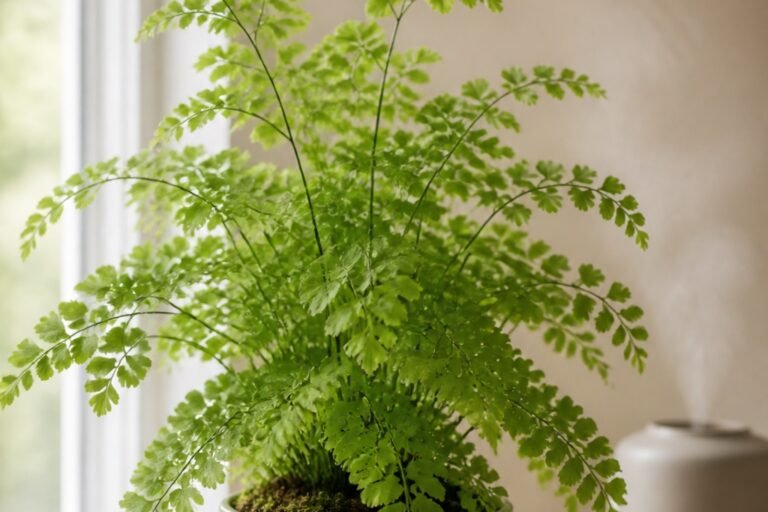
Adiantum raddianum

Maidenhair Fern Care: Moisture, Light and Recovery

Maidenhair fern care rewards consistency. Learn how to balance moisture, humidity, filtered light, and drainage, plus what to do after fronds crisp.

Water when: Water when the surface just begins to lose moisture, before the root ball dries through.

Cats: Not verified Dogs: Not verified
  • Demanding
  • Medium indirect light

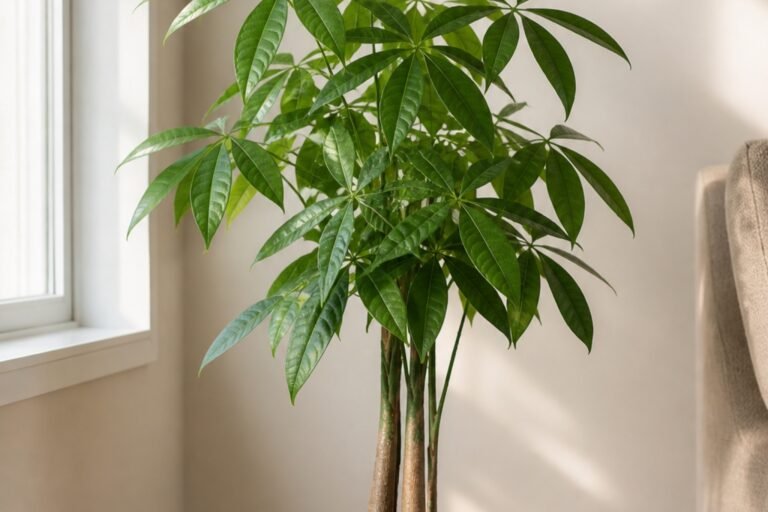
Pachira aquatica

Money Tree Care: Light, Water, Soil and Leaf Drop

Money tree care works best with bright filtered light and a measured dry interval. Learn watering cues, pruning, repotting, leaf-drop checks, and pet safety.

Water when: Water when the upper 2 to 3 inches of mix are dry and the pot feels lighter, then drain fully.

Cats: Verified non-toxic Dogs: Verified non-toxic
  • Moderate
  • Bright indirect light

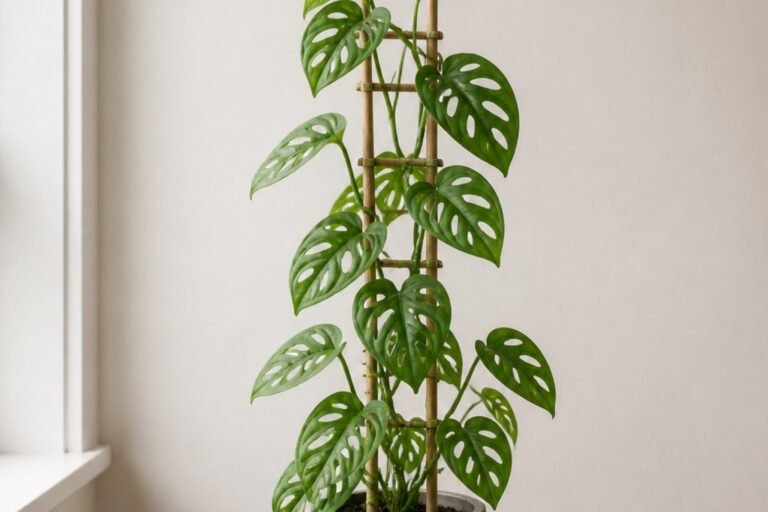
Monstera adansonii

Monstera Adansonii Care: A Guide to Fuller Vines

Monstera adansonii care combines bright filtered light, an airy mix, and measured watering. Learn how to fix curl, yellowing, and long bare vines.

Water when: Water when the upper inch or two of mix has dried and the pot feels lighter.

Cats: Toxic Dogs: Toxic
  • Moderate
  • Bright indirect light

Monstera deliciosa

Monstera Deliciosa Care: Light, Water and Bigger Leaves

Monstera deliciosa care depends on useful light, an airy root zone, and climbing support. Learn what drives bigger leaves and how to diagnose damage.

Water when: Water when the upper quarter to third of the potting mix has dried and the pot feels lighter.

Cats: Toxic Dogs: Toxic
  • Moderate
  • Bright indirect light

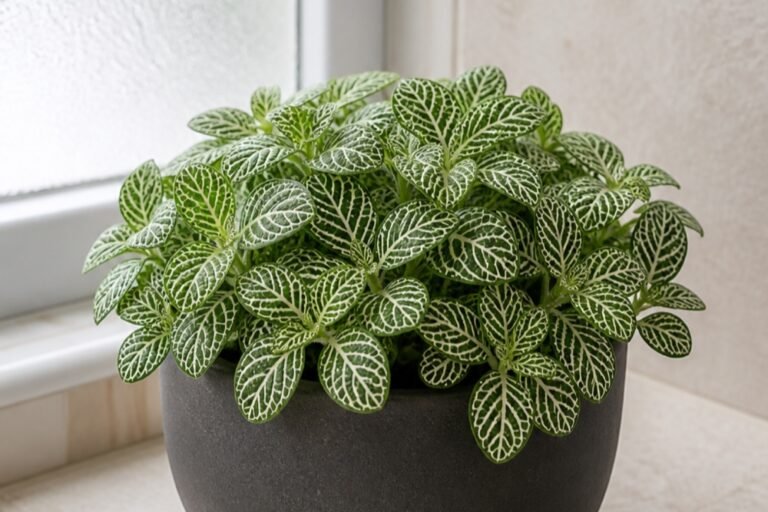
Fittonia albivenis

Nerve Plant Care: Water, Humidity and Dramatic Wilting

Nerve plant care means keeping a small root ball evenly moist without soaking it. Learn how to handle wilting, brown edges, leggy stems, and…

Water when: Water when the surface just begins to dry and the small pot feels slightly lighter, before the entire root ball…

Cats: Verified non-toxic Dogs: Verified non-toxic
  • Demanding
  • Medium indirect light

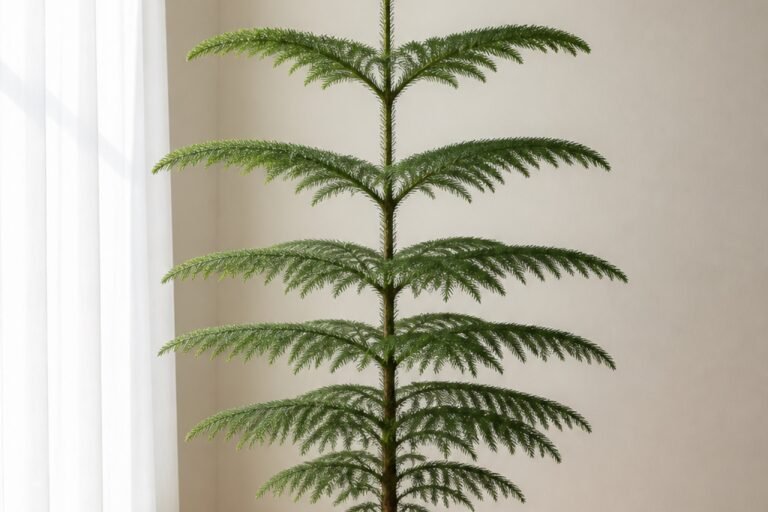
Araucaria heterophylla

Norfolk Island Pine Care Indoors: Water, Light and Shape

Norfolk Island pine care indoors protects its permanent branch tiers with bright light, steady moisture, and stable warmth. Learn watering and tip care.

Water when: Water when the upper inch or two of mix is dry and the pot is beginning to feel lighter, while…

Cats: Verified non-toxic Dogs: Verified non-toxic
  • Moderate
  • Bright indirect light

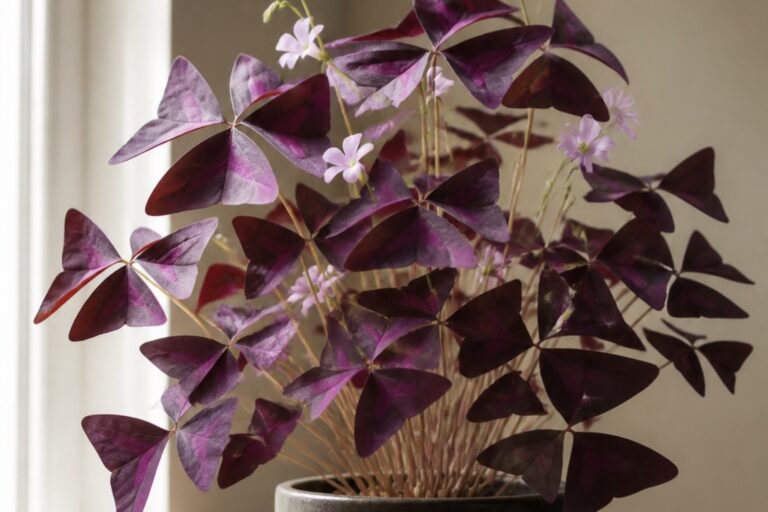
Oxalis triangularis

Oxalis Triangularis Care Indoors: Water, Light and Dormancy

Oxalis triangularis care indoors balances bright light, light moisture, and a real dormant rest. Learn watering cues, division, regrowth, and pet safety.

Water when: Water when the upper inch of mix is dry and the pot has begun to feel lighter, before the whole…

Cats: Toxic Dogs: Toxic
  • Moderate
  • Bright indirect light

Chamaedorea elegans

Parlor Palm Care: Light, Water and Brown Tips

Parlor palm care suits ordinary rooms when light is gentle and roots are not soaked. Learn watering cues, pet safety, repotting, and brown-tip fixes.
Water when: Water after the upper inch or two dries and the pot feels lighter, then drain it fully.

Cats: Verified non-toxic Dogs: Verified non-toxic
  • Easy
  • Low-light tolerant

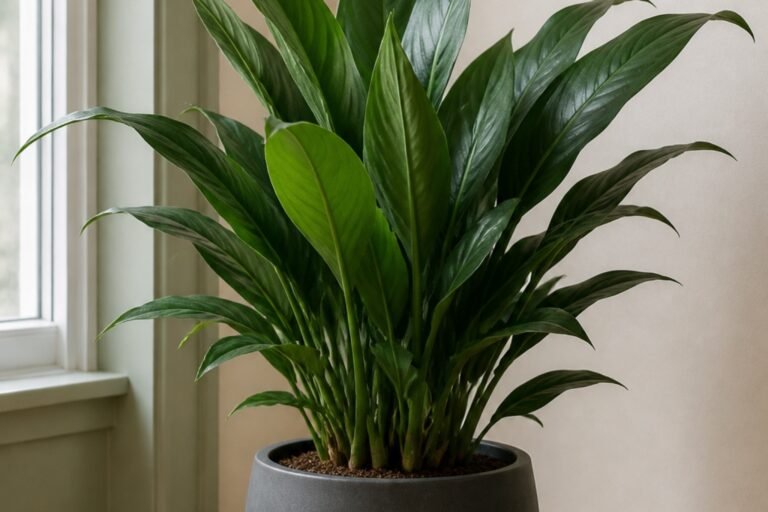
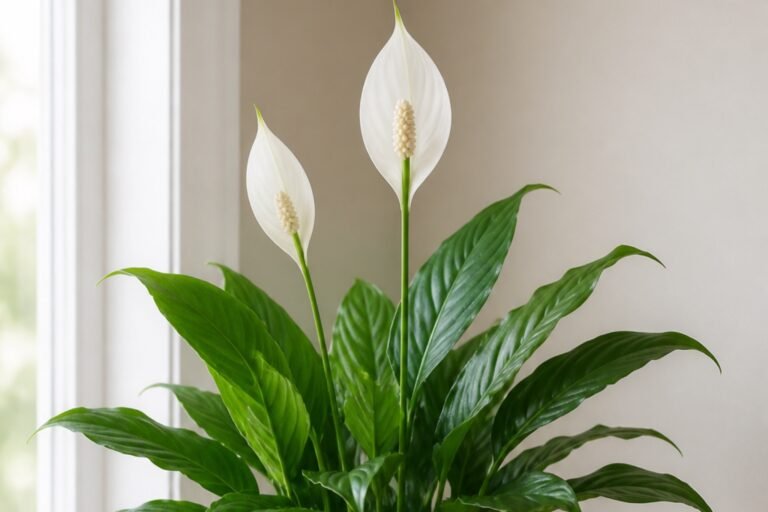
Spathiphyllum wallisii

Peace Lily Care: Light, Water, Blooms and Brown Tips

Peace lily care starts with filtered light and a lightly moist root zone. Learn how to handle droop, brown tips, missed blooms, and repotting.

Water when: Water when the surface begins to dry and the pot feels lighter, before the whole plant collapses.
Cats: Toxic Dogs: Toxic
  • Moderate
  • Medium indirect light

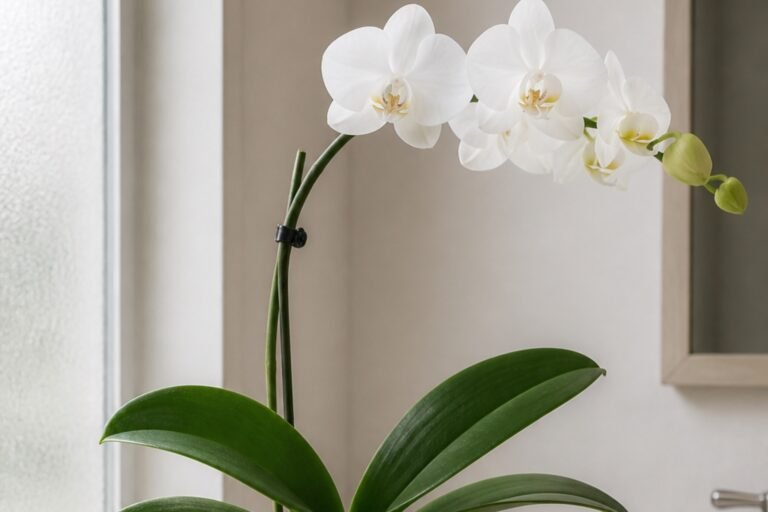
Phalaenopsis hybrids

Phalaenopsis Orchid Care: Roots, Water and Reblooming

Phalaenopsis orchid care starts with healthy roots and an airy bark mix. Learn watering cues, light, repotting, bud-blast checks, reblooming, and pet safety.

Water when: Water when bark is nearly dry, the pot is light, and exposed roots have shifted from green toward silvery gray.

Cats: Verified non-toxic Dogs: Verified non-toxic
  • Moderate
  • Bright indirect light

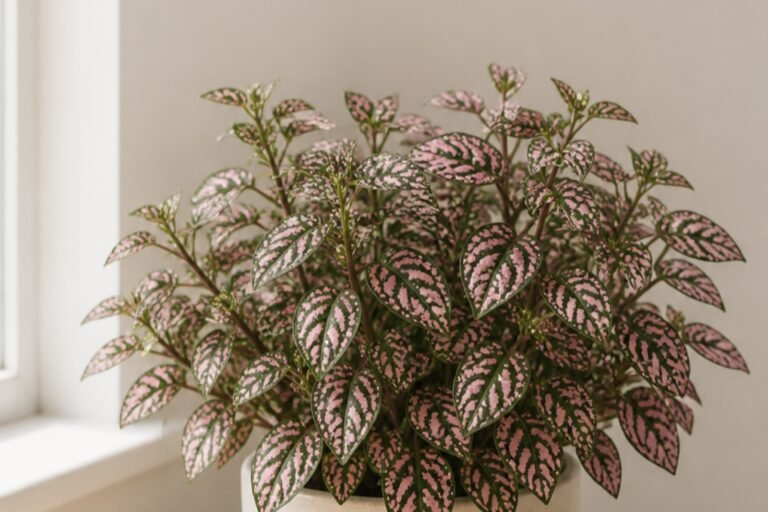
Hypoestes phyllostachya

Polka Dot Plant Care: Color, Water and Leggy Growth

Polka dot plant care combines bright filtered light, timely pinching, and even watering. Learn how to fix faded color, bare stems, and crisp edges.
Water when: Water thoroughly when the upper inch of mix has dried and the pot feels lighter, before a severe wilt.
Cats: Verified non-toxic Dogs: Verified non-toxic
  • Moderate
  • Bright indirect light

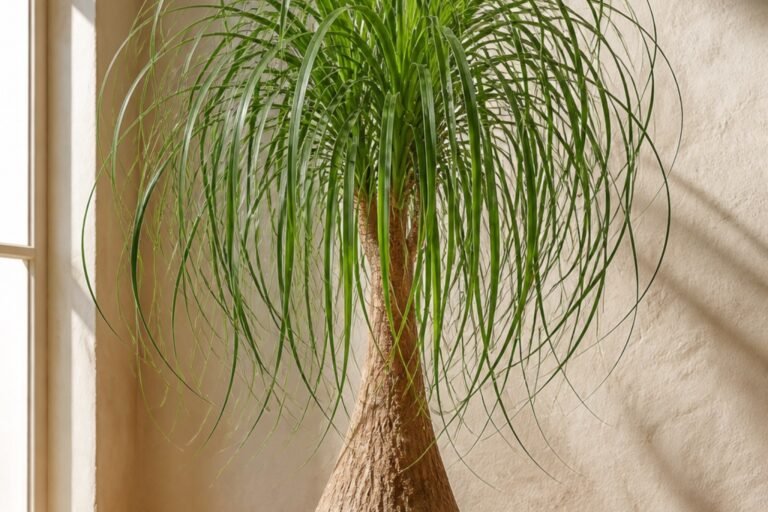
Beaucarnea recurvata

Ponytail Palm Care Indoors: Light, Water and Caudex

Ponytail palm care indoors needs a sunny position and a fully dry root zone. Learn caudex watering cues, pot choice, brown-tip checks, and pet…

Water when: Water deeply only when the mix is dry through the pot, the container is light, and the caudex remains firm.

Cats: Verified non-toxic Dogs: Verified non-toxic
  • Easy
  • Some direct sun

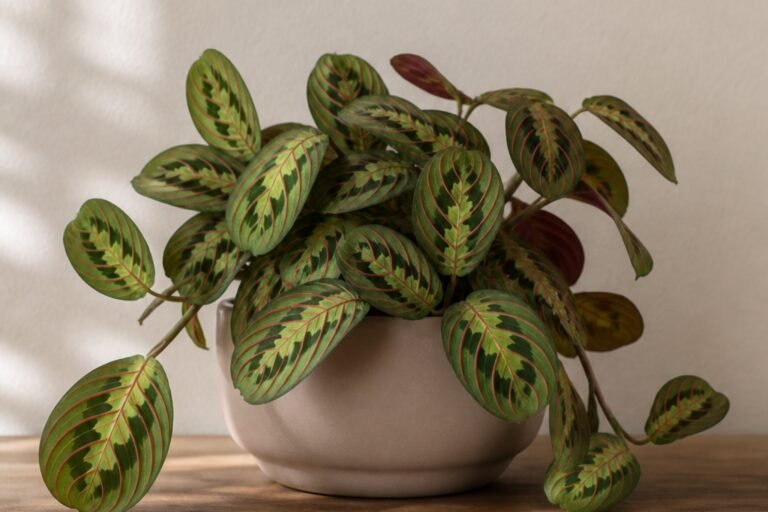
Maranta leuconeura

Prayer Plant Care: Light, Water, Curling and Brown Edges

Prayer plant care means steady root moisture, filtered light, and measured humidity. Learn what causes curling, faded color, and crisp leaf edges.

Water when: Water when the surface begins to dry and the pot feels a little lighter, before the root ball dries through.

Cats: Not verified Dogs: Not verified
  • Moderate
  • Medium indirect light

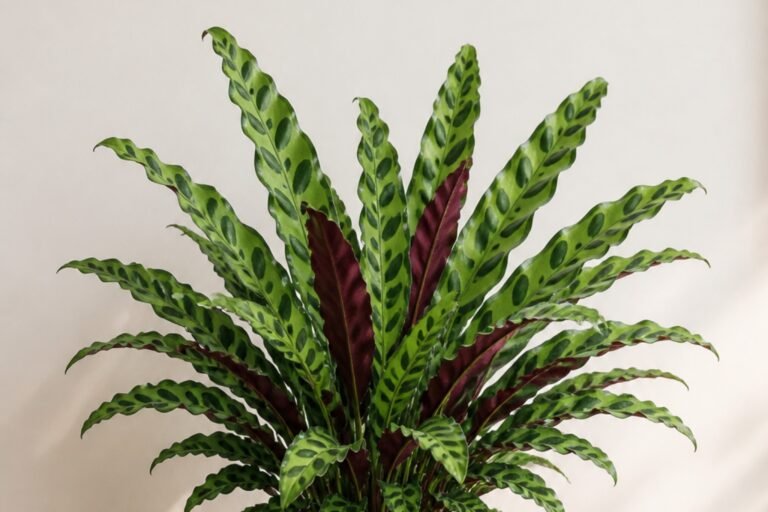
Goeppertia insignis

Rattlesnake Plant Care: Curl, Humidity and Brown Edges

Rattlesnake plant care needs filtered light, steady moisture, and humid air. Learn how to diagnose curling, brown margins, faded leaves, and rot.

Water when: Water when the surface begins to dry and the pot feels slightly lighter, before the root ball dries through.

Cats: Verified non-toxic Dogs: Verified non-toxic
  • Demanding
  • Medium indirect light

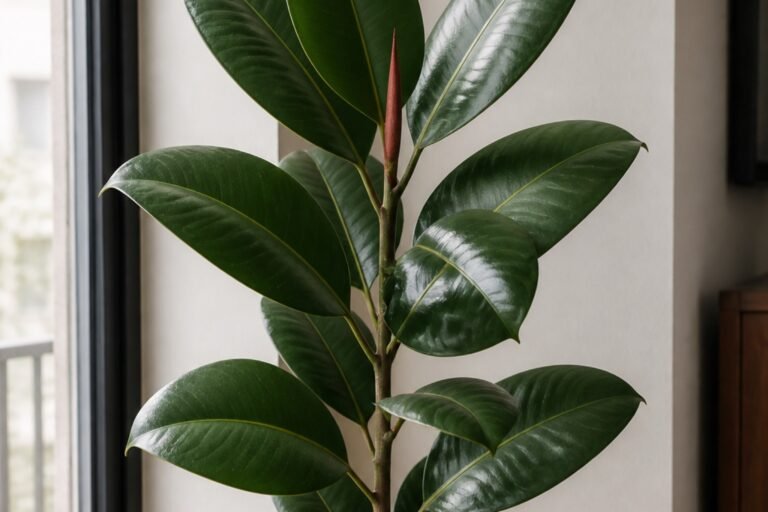
Ficus elastica

Rubber Plant Care: Light, Water, Pruning and Leaf Drop

Rubber plant care starts with bright filtered light and a careful dry-down. Learn how to prevent leaf drop, root damage, and one long bare…

Water when: Water when the upper 2 inches of mix are dry and the pot feels lighter.

Cats: Toxic Dogs: Toxic
  • Moderate
  • Bright indirect light

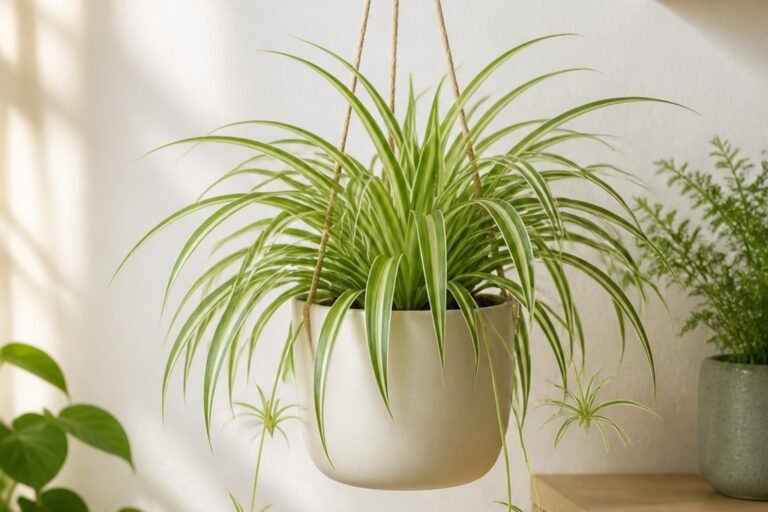
Chlorophytum comosum

Spider Plant Care: Light, Water, Plantlets and Brown Tips

Spider plant care works without a rigid calendar. Learn the right light, watering cue, salt control, repotting plan, and an easy plantlet method.

Water when: Water when the upper inch or two begins to dry, then soak the root ball and drain it fully.

Cats: Verified non-toxic Dogs: Verified non-toxic
  • Easy
  • Medium indirect light

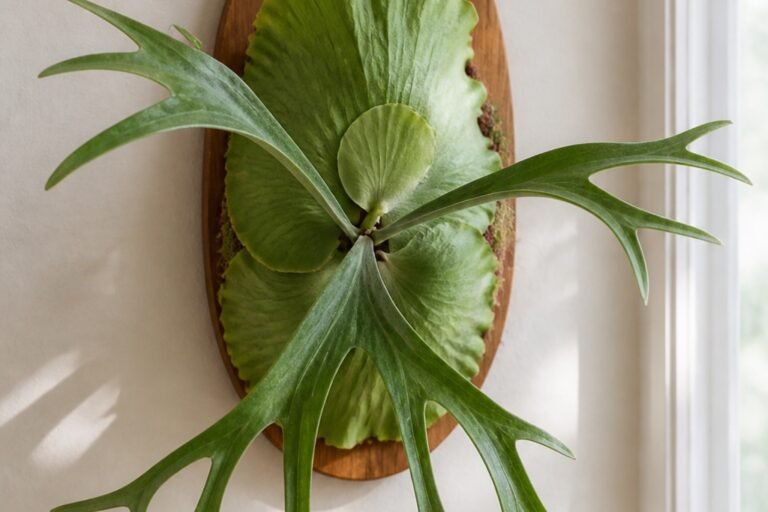
Platycerium bifurcatum

Staghorn Fern Care Indoors: Mounting, Water and Shields

Staghorn fern care indoors starts with an airy mount and a weight-based watering cue. Learn shield-frond aging, light, soaking, rot checks, pests, and safety.

Water when: For a mount, soak when the root pad is almost dry and the mount feels much lighter; for a small…

Cats: Verified non-toxic Dogs: Verified non-toxic
  • Demanding
  • Bright indirect light

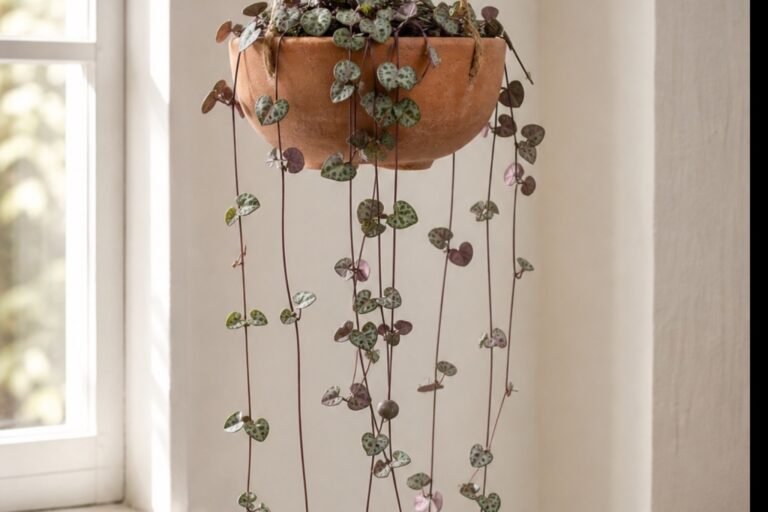
Ceropegia woodii

String of Hearts Care: Light, Water and Full Vines

String of hearts care starts with light on the crown and a dry root zone. Learn watering cues, shallow pots, tuber propagation, and bare-top…

Water when: Water when most of the mix is dry, the pot is light, and mature leaves begin to soften.

Cats: Not verified Dogs: Not verified
  • Moderate
  • Bright indirect light

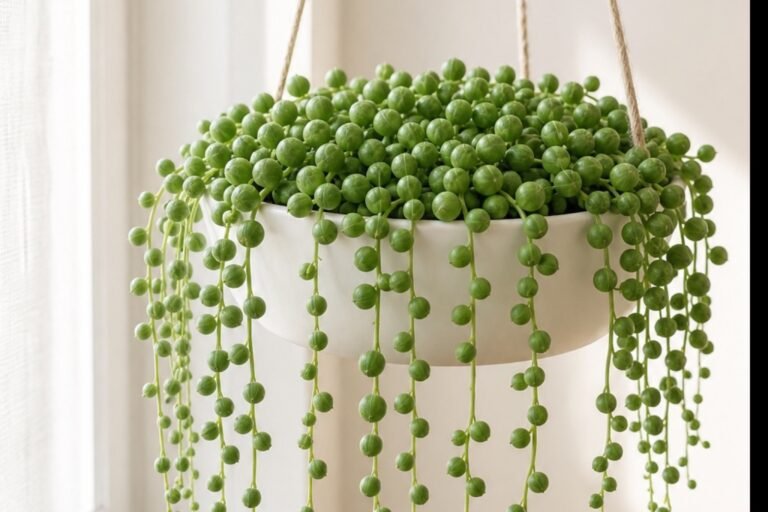
Curio rowleyanus

String of Pearls Care: Light, Water and Crown Growth

String of pearls care needs strong crown light and a fast-drying pot. Learn watering cues, propagation, rot prevention, mealybug checks, and pet safety.

Water when: Water when most of the mix is dry, the pot is light, and mature pearls just begin to soften.

Cats: Toxic Dogs: Toxic
  • Demanding
  • Some direct sun

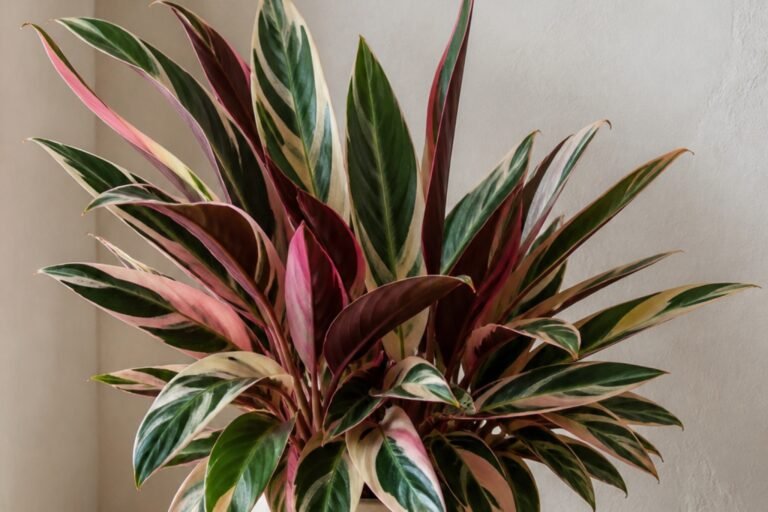
Stromanthe thalia 'Triostar'

Stromanthe Triostar Care: Light, Water and Brown Edges

Stromanthe Triostar care needs filtered light, even root moisture, and steady humidity. Learn what causes curled leaves, brown edges, fading color, and mites.

Water when: Water when the upper inch starts to dry and the pot feels slightly lighter, while the lower root ball remains…

Cats: Not verified Dogs: Not verified
  • Demanding
  • Bright indirect light

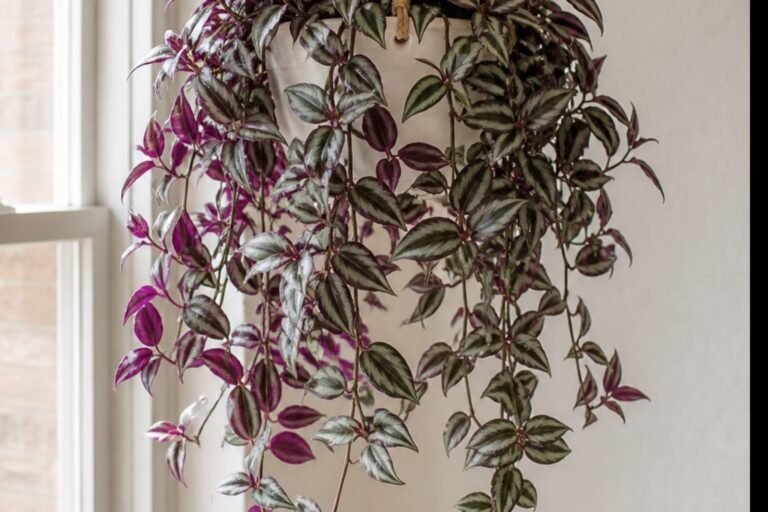
Tradescantia zebrina

Tradescantia Zebrina Care: Color, Pruning and Water

Tradescantia zebrina care keeps silver and purple vines compact. Learn the right light, watering cue, pruning method, propagation, and rot checks.

Water when: Water after the upper inch dries and the pot loses some weight.

Cats: Irritating or caution Dogs: Irritating or caution
  • Easy
  • Bright indirect light

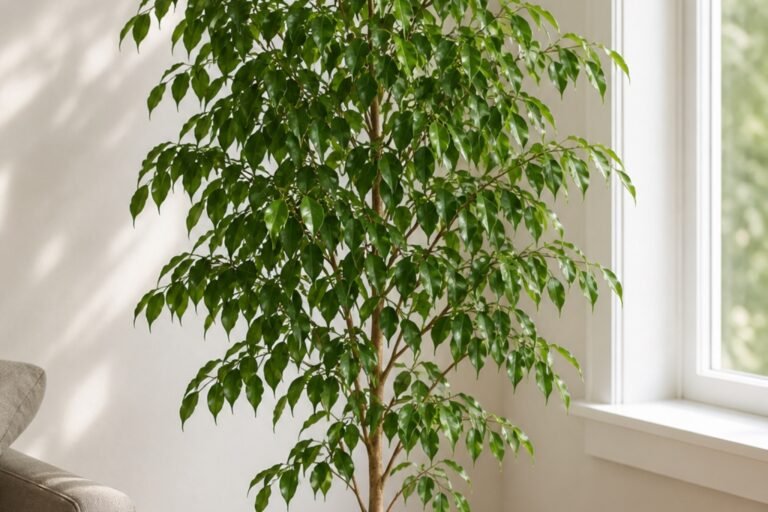
Ficus benjamina

Weeping Fig Care Indoors: Light, Water and Leaf Drop

Weeping fig care indoors is steadier when light and placement stop changing. Learn watering cues, pruning, repotting, leaf-drop checks, and latex safety.

Water when: Water when the upper 1 to 2 inches are dry and the deeper root ball is approaching lightly moist, not…

Cats: Toxic Dogs: Toxic
  • Demanding
  • Bright indirect light

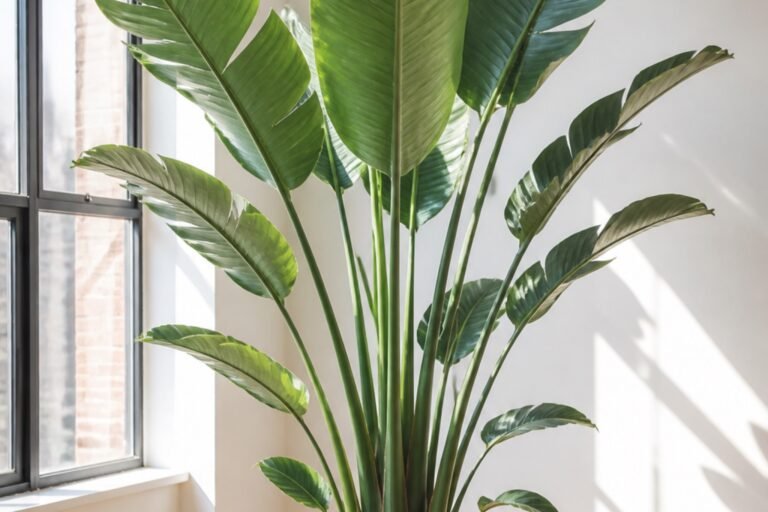
Strelitzia nicolai

White Bird of Paradise Care Indoors: Light and Water

White bird of paradise care indoors needs strong light and room for a tall clump. Learn watering cues, torn-leaf context, repotting, pests, and safety.

Water when: Water when the upper 2 to 3 inches are dry and the lower root ball is no longer wet, then…

Cats: Not verified Dogs: Not verified
  • Demanding
  • Some direct sun

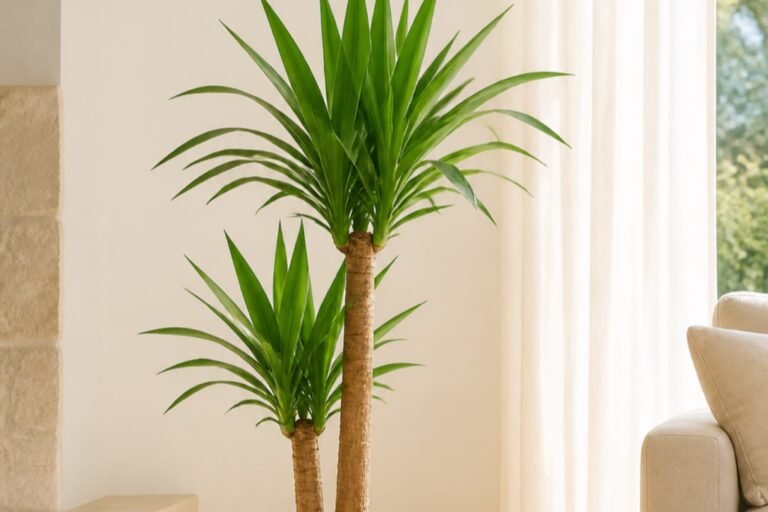
Yucca gigantea

Yucca Cane Care Indoors: Sun, Water and Soft Canes

Yucca cane care indoors requires strong light, a deep dry-down, and a stable draining pot. Learn how to handle yellow leaves, soft canes, and…

Water when: Water thoroughly after the upper half of the potting mix has dried and the container feels distinctly lighter.

Cats: Toxic Dogs: Toxic
  • Easy
  • Some direct sun

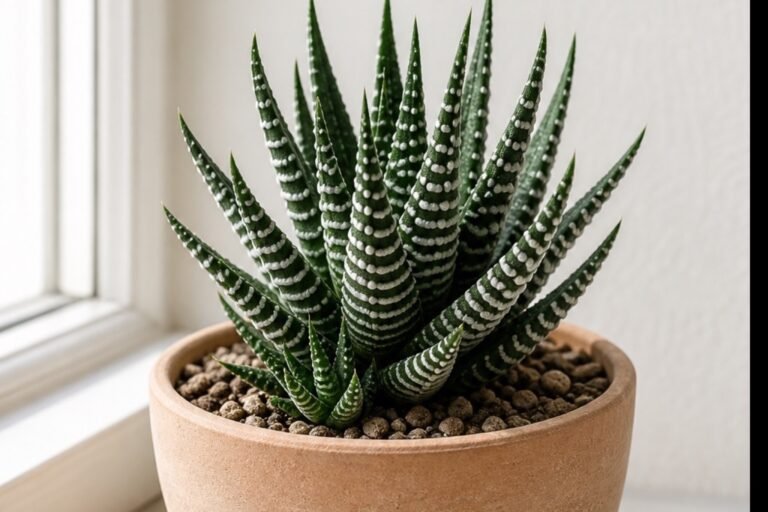
Haworthiopsis attenuata

Zebra Haworthia Care: Light, Water and Pups

Zebra haworthia care is simple after the plant is identified correctly. Learn light, dry-time cues, succulent soil, pup division, and rot checks.

Water when: Water when the mix is dry through the pot and the container feels light.

Cats: Verified non-toxic Dogs: Verified non-toxic
  • Easy
  • Some direct sun

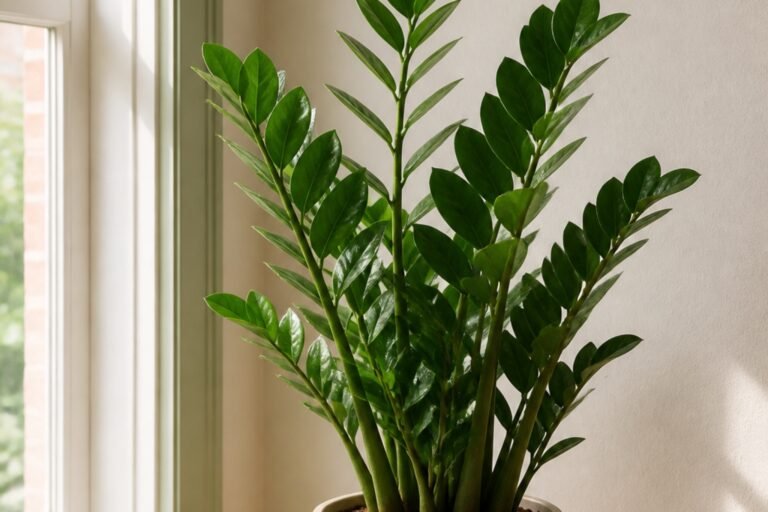
Zamioculcas zamiifolia

ZZ Plant Care: Light, Water, Soil and Common Problems

ZZ plant care starts with useful light, patient watering, and a draining pot. Learn how to handle yellow leaves, slow growth, and root trouble.

Water when: Water after most of the potting mix has dried and the pot feels noticeably lighter.

Cats: Toxic Dogs: Toxic
  • Easy
  • Low-light tolerant

How to use the indoor plant database

Start with the conditions you already have. A south-facing windowsill and a shaded shelf are not interchangeable, even when both look bright to human eyes. The light filter separates plants that tolerate a dimmer position from those that need a clear view of a bright window.

Use the watering cue as a check, not a reminder. "Every seven days" sounds convenient, but pot size, season, root density, soil and room temperature can change drying time by days or weeks. The profiles tell you what to feel or observe before you reach for the watering can.

Pet-safety labels are sourced separately for cats and dogs. A missing toxicity record is not treated as proof that a plant is safe. When the evidence is unclear, the card says "not verified" and links to the source checked by the editorial team.

What every plant profile includes

SectionWhat you will find
IdentityAccepted botanical name, useful synonyms, family and native range
CareLight, watering cue, soil, humidity, temperature, feeding and repotting
Size and habitExpected indoor dimensions, growth rate and growing form
SafetySeparate cat and dog status with a dated source
TroubleshootingCommon symptoms, likely causes and the first thing to check

The database stays focused on the plant itself. Longer procedures live in their own Fern & Shelf guides. If a profile points toward wet roots, for example, continue with the guide to saving an overwatered plant. For a soil problem, compare the best potting mixes for indoor plants or learn why potting soil stops draining.

How the profiles are researched

Botanical identity and care facts are checked against Cooperative Extension publications, botanical gardens and other named horticultural authorities. Pet-safety statements receive their own source and review date. We do not turn an unsupported forum comment into a fact, and we do not claim that Fern & Shelf tested a plant unless a documented test exists.

Conditions still matter. A published temperature range or mature size is a useful starting point, not a promise for every apartment. Cultivar, light, container, climate control and the age of the plant can all change the outcome. Each profile therefore pairs ranges with observable cues wherever possible.

If your plant looks unhealthy but you are not sure which care variable is responsible, use the houseplant problem diagnostic before changing several things at once. One careful check usually tells you more than a week of random fixes.